
HS Code for Hammer Mills: Efficient Crushing and Grinding Mills
We provide a wide range of mills — including Raymond mill, trapezoidal mill, vertical mill, ultrafine mill, and ball mill, obtained ISO9001 international quality certification, EU CE certification, and Customs Union CU-TR certification. Suitable for processing minerals such as limestone, phosphate, quicklime, kaolin, talc, barite, bentonite, calcium carbonate, dolomite, coal, gypsum, clay, carbon black, slag, cement raw materials, cement clinker, and more.
The discharge range of these mills can be adjusted to meet specific processing needs, typically from 80-400 mesh, 600-3250 mesh, and can achieve the finest particle size of up to 6000 mesh(D50).
If you are looking for a reliable grinding solution to turn stone or minerals into fine powder, please feel free to contact our online customer service.
HS Code for Hammer Mills: Efficient Crushing and Grinding Mills
When it comes to industrial crushing and grinding, hammer mills are a cornerstone technology across numerous sectors, from mining and construction to agriculture and recycling. Understanding the Harmonized System (HS) code for these machines is crucial for international trade, logistics, and customs clearance. Typically, hammer mills and other grinding machinery fall under HS Code 8474.20 – “Machinery for sorting, screening, separating, washing, crushing, grinding, mixing or kneading earth, stone, ores or other mineral substances, in solid form; machinery for agglomerating, shaping or moulding solid mineral fuels, ceramic paste, unhardened cements, plastering materials or other mineral products in powder or paste form; machines for forming foundry moulds of sand.”
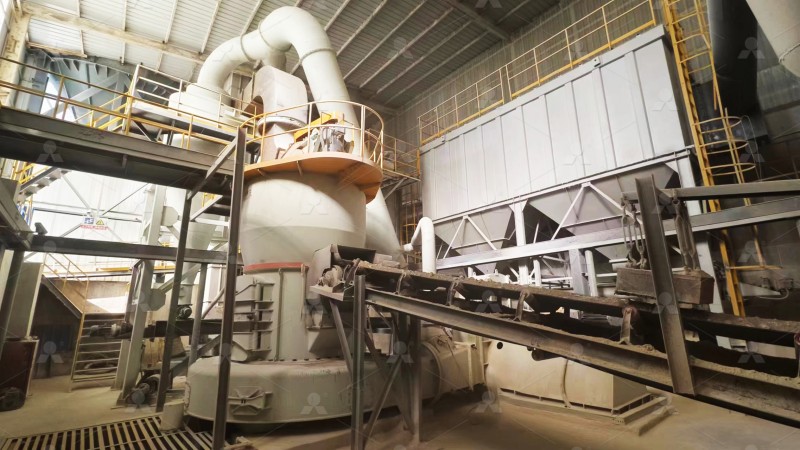
This classification is vital for manufacturers and exporters to ensure smooth cross-border transactions. But beyond just the code, the real value lies in the technological advancements within these mills. Modern mills are designed for maximum efficiency, lower energy consumption, and minimal environmental impact, moving far beyond simple crushing mechanisms.
The Evolution of Grinding Technology
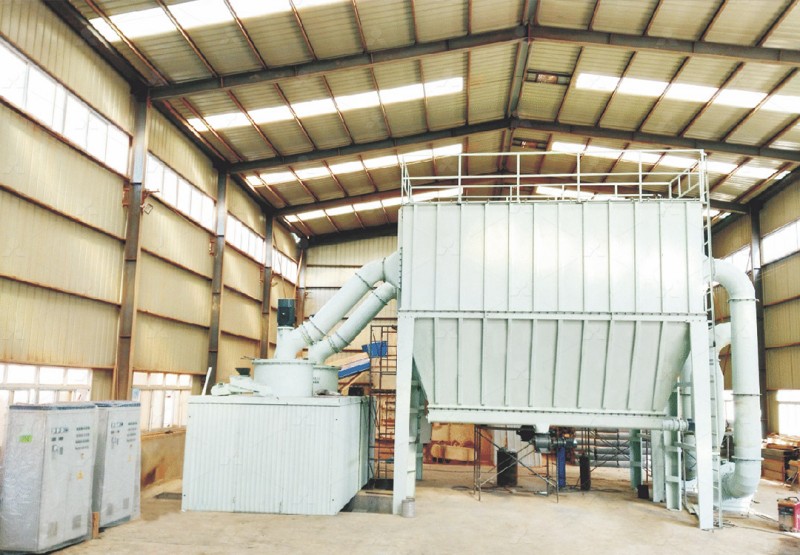
The traditional hammer mill, while effective, has been revolutionized by new engineering marvels that offer superior fineness, yield, and control. One standout example is our MW Ultrafine Grinding Mill. This equipment is specifically engineered for customers requiring ultra-fine powder production. With an input size of 0-20 mm and a capacity range of 0.5-25 tph, it’s a versatile solution for a wide array of materials including limestone, calcite, dolomite, petroleum coal, gypsum, and barite, as well as applications in the chemical industry for products like paint, cosmetics, and food additives.
The MW Mill boasts features that set it apart. It achieves higher yielding with lower energy consumption – its newly designed grinding curves make its production capacity 40% higher than jet or stirred grinding mills, while system energy use is only 30% of a jet mill. It offers adjustable fineness between 325-2500 meshes thanks to its German-technology cage-type powder selector. A key maintenance advantage is the absence of rolling bearings and screws in the grinding chamber, eliminating worries about bearing damage or loose screws causing failures. Furthermore, its efficient pulse dust collector and muffler make the entire production process eco-friendly, adhering to national environmental standards.
Choosing the Right Mill for Your Application
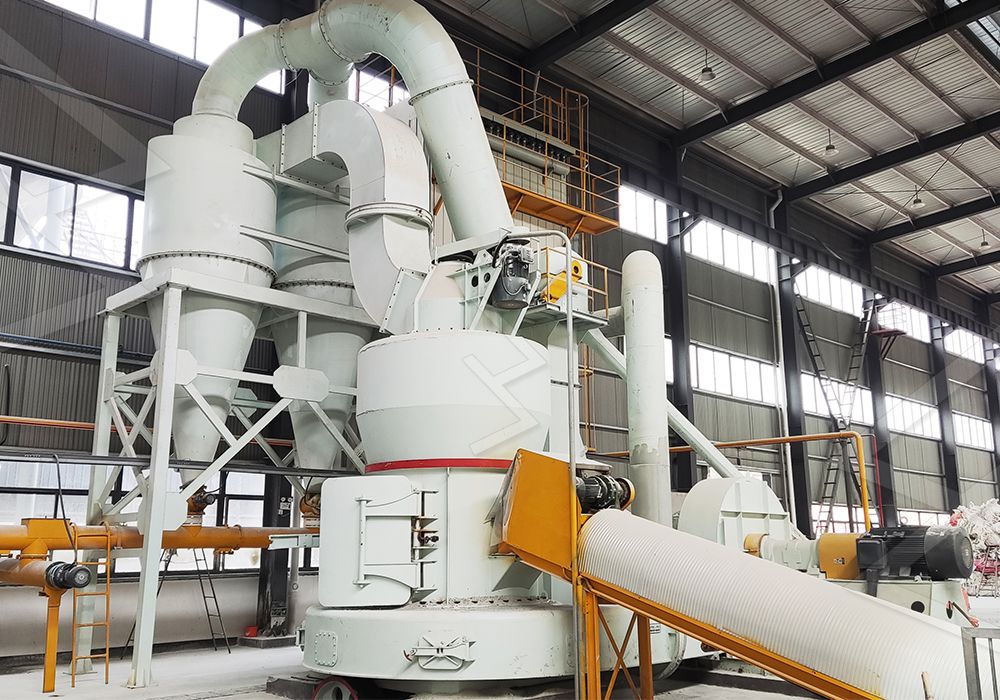
Selecting the appropriate grinding mill depends on your material characteristics, desired output fineness, and production capacity needs. For operations requiring even greater precision in vertical grinding, another exceptional option is our LUM Ultrafine Vertical Grinding Mill. Designed with the latest Taiwanese grinding roller and German powder separating technology, it integrates grinding, grading, and transporting into a single, highly efficient unit. It handles an input size of 0-10 mm with a capacity of 5-18 tph, making it perfect for superfine dry powder of non-metal ores.
The LUM Mill’s highlights include a unique roller shell and lining plate grinding curve for a higher yielding rate and better product quality, and a PLC-controlled multi-head powder separating technology that reduces energy consumption by 30%-50%. Its double position-limiting technology ensures stable operation, and a reversible structure drastically simplifies maintenance, allowing operators to easily move the grinding roller out for checks and part replacements.
Both the MW and LUM mills represent the pinnacle of grinding technology, designed for digitalized processing for higher precision and backed by a sufficient supply of original spare parts for worry-free, continuous operation. When navigating the complexities of HS codes and international shipping, partnering with a manufacturer that provides robust, efficient, and reliable machinery like this is the key to a successful and profitable operation. Always consult with your customs broker to confirm the exact HS code classification for your specific model and destination country.