
How to Use Marble Stone Powder for Color Treatment in Architectural Decoration
We provide a wide range of mills — including Raymond mill, trapezoidal mill, vertical mill, ultrafine mill, and ball mill, obtained ISO9001 international quality certification, EU CE certification, and Customs Union CU-TR certification. Suitable for processing minerals such as limestone, phosphate, quicklime, kaolin, talc, barite, bentonite, calcium carbonate, dolomite, coal, gypsum, clay, carbon black, slag, cement raw materials, cement clinker, and more.
The discharge range of these mills can be adjusted to meet specific processing needs, typically from 80-400 mesh, 600-3250 mesh, and can achieve the finest particle size of up to 6000 mesh(D50).
If you are looking for a reliable grinding solution to turn stone or minerals into fine powder, please feel free to contact our online customer service.
Unlocking the Aesthetic Potential of Marble Powder
In the realm of architectural decoration, the pursuit of unique and enduring finishes is constant. One material that has seen a significant resurgence is marble stone powder. This finely ground substance, derived from one of nature’s most elegant stones, offers a versatile and sophisticated method for color treatment and textural enhancement. Unlike synthetic pigments, marble powder provides a depth and luminosity that is inherently natural, making it a favorite among designers seeking to create spaces with character and timeless appeal.

The Science Behind the Shine: Why Marble Powder Works
The effectiveness of marble powder lies in its physical and chemical properties. Composed primarily of calcite, marble powder has a high refractive index, which allows it to interact with light in a way that creates a soft, internal glow. When used in plasters, paints, or resins, the microscopic particles reflect and refract light, reducing the flatness often associated with man-made finishes. Furthermore, its natural whiteness and purity serve as an excellent base for color integration. Whether tinted with mineral oxides or used in its natural state, the powder ensures colors appear vibrant yet subdued, avoiding the harshness of purely chemical pigments.
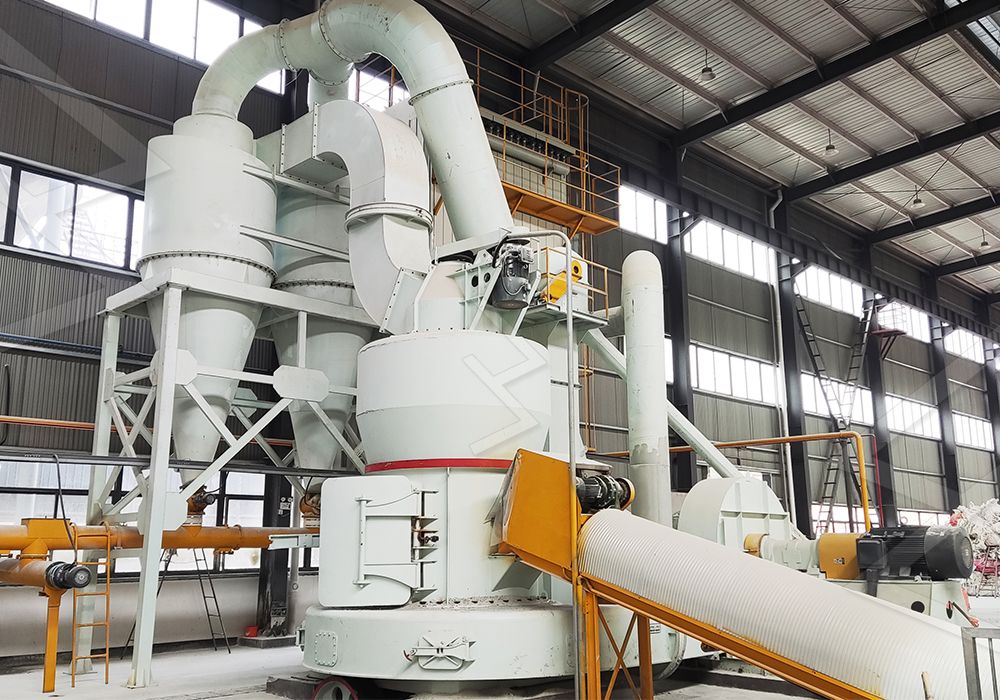
A critical factor in achieving these superior results is the fineness of the powder. The grinding process is paramount. For instance, our MW Ultrafine Grinding Mill is specifically engineered to produce marble powder with a fineness adjustable between 325 and 2500 meshes. This level of precision ensures a consistently smooth particle size, which is crucial for achieving a uniform color distribution and a seamless, high-end finish in decorative applications. Its higher yielding and lower energy consumption also make it an economically and environmentally sound choice for production.
Practical Application Techniques
Integrating marble powder into decorative schemes can be achieved through several methods, each offering a distinct aesthetic.
1. Venetian Plaster and Stucco
Perhaps the most classic application is in Venetian plaster. By mixing the powder with slaked lime and water, artisans can create a paste that is troweled onto walls in thin layers. The result is a polished, marble-like surface with a deep, pearlescent quality. The fineness of the powder prevents gritty textures, allowing for a perfectly smooth burnish.
2. Integral Coloration for Concrete and Terrazzo
For floors and countertops, marble powder can be mixed directly into concrete or epoxy resin for terrazzo. It acts as both a filler and a colorant. The powder’s whiteness brightens the mix, allowing for more pastel and vibrant hues, while its hardness contributes to the durability of the final product.
3. Custom Paints and Coatings
Adding marble powder to paint creates a mineral paint with improved coverage, durability, and a subtle texture. It enhances the paint’s breathability, which is ideal for historic buildings or humid climates, preventing moisture entrapment and mold growth.
Selecting the Right Equipment for Quality Powder
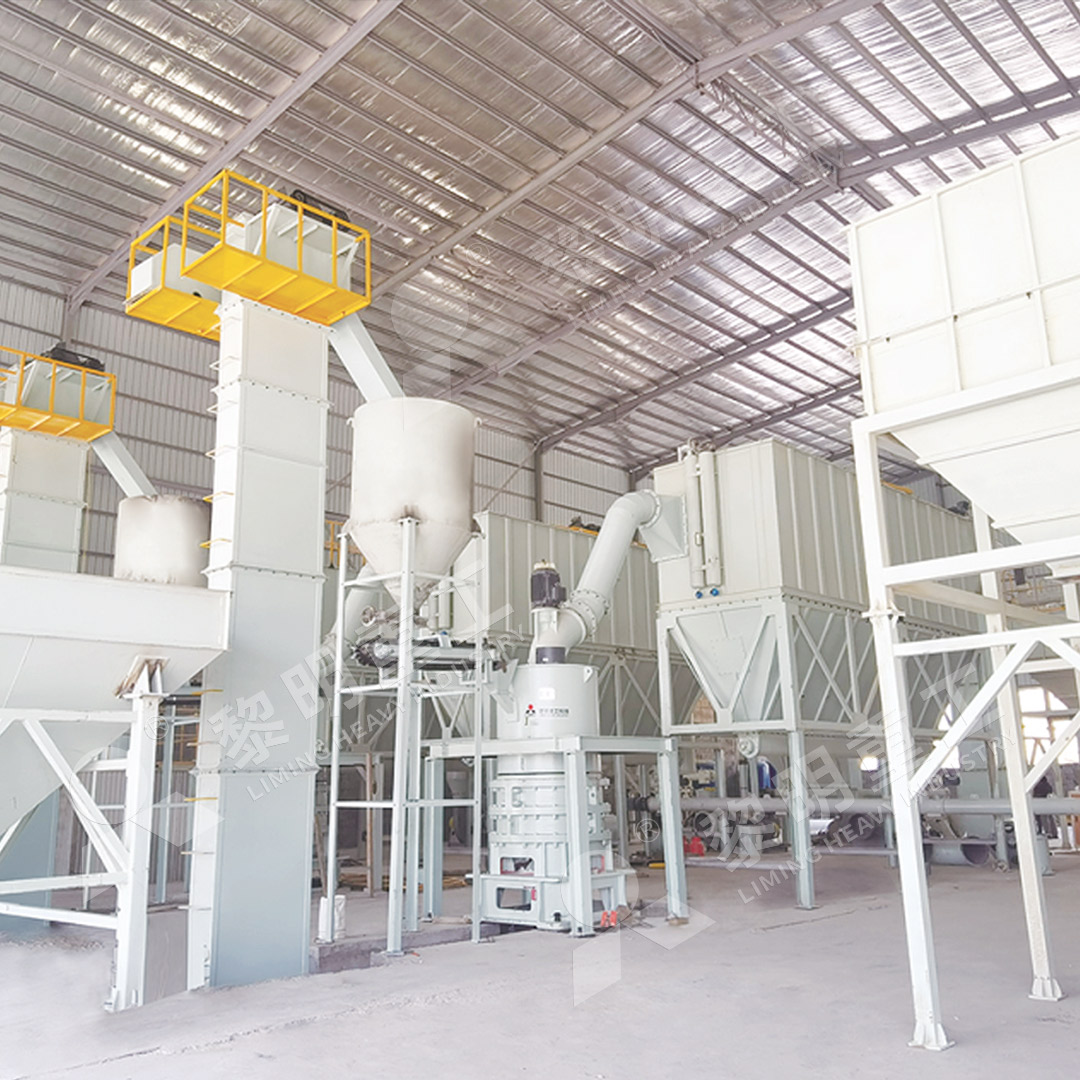
The quality of the final decorative product is directly tied to the quality of the marble powder. A consistent, ultra-fine grind is non-negotiable. This is where industrial grinding mills play a decisive role. While the MW Mill is excellent for ultra-fine requirements, for projects demanding even higher efficiency in handling slightly smaller feed sizes, the LUM Ultrafine Vertical Grinding Mill presents a compelling option. It integrates ultrafine powder grinding, grading, and transporting, often resulting in a better yield rate and superior product whiteness and cleanliness thanks to its unique roller shell and lining plate grinding curve.
Both mills feature advanced dust removal and noise reduction systems, ensuring that the production of your decorative powder is not only high-quality but also environmentally responsible—a key consideration for sustainable architecture.
Frequently Asked Questions (FAQ)
What is the primary advantage of using marble powder over other mineral fillers?
Marble powder offers superior brightness and light-reflective properties due to its high calcite content. This results in finishes with greater depth and a natural, luminous quality that is difficult to replicate with other materials.
How fine should the marble powder be for decorative applications?
For most high-end decorative applications, a fineness of 800 meshes or higher is recommended. This ensures a smooth, grit-free texture that can be polished to a high sheen. Our MW and LUM grinding mills can easily achieve this specification.
Can marble powder be used in exterior applications?
Yes, when properly formulated with lime or appropriate acrylic binders, marble powder finishes are highly durable and weather-resistant. Their breathability makes them particularly suitable for exterior facades.
Does the color of the source marble affect the final tinted product?
Absolutely. Starting with a pure white marble base is crucial for achieving clear, predictable colors. Impurities in the source stone can lead to off-white or grayish undertones in the final mixture.
What is the coverage rate for a marble powder plaster?
Coverage depends on the number of layers and application technique, but generally, one kilogram of powder mixed into plaster can cover approximately 3-4 square meters for a standard two-coat application.