
How to Use a Mill for Grinding Stone: A Complete Guide
We provide a wide range of mills — including Raymond mill, trapezoidal mill, vertical mill, ultrafine mill, and ball mill, obtained ISO9001 international quality certification, EU CE certification, and Customs Union CU-TR certification. Suitable for processing minerals such as limestone, phosphate, quicklime, kaolin, talc, barite, bentonite, calcium carbonate, dolomite, coal, gypsum, clay, carbon black, slag, cement raw materials, cement clinker, and more.
The discharge range of these mills can be adjusted to meet specific processing needs, typically from 80-400 mesh, 600-3250 mesh, and can achieve the finest particle size of up to 6000 mesh(D50).
If you are looking for a reliable grinding solution to turn stone or minerals into fine powder, please feel free to contact our online customer service.
How to Use a Mill for Grinding Stone: A Complete Guide
Grinding stone into fine powder is a fundamental process in numerous industries, from construction and mining to ceramics and chemicals. Selecting the right equipment and operating it correctly is crucial for efficiency, product quality, and operational cost. This guide will walk you through the essential steps and considerations for using a mill to grind stone effectively.
1. Understanding Your Material and Requirements
Before you even start the mill, you must understand the material you’re working with. Key properties include:
- Hardness: Measured on the Mohs scale, hardness determines the wear on your mill’s components.
- Moisture Content: Wet materials may require integrated drying systems.
- Input Size: Most mills require a pre-crushed feed size, typically under 20-25mm.
- Desired Output Fineness: The final product’s mesh size (e.g., 325 mesh for paint, 2500 mesh for high-end cosmetics) dictates the mill type and settings.
2. Choosing the Right Mill for the Job
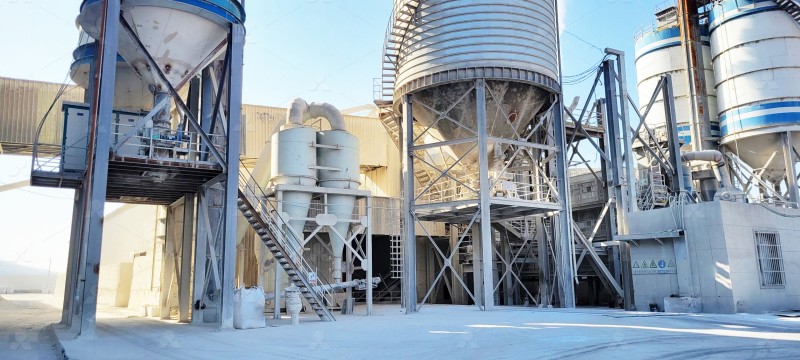
Not all grinding mills are created equal. Your choice depends heavily on your capacity needs and desired fineness.
- For High Capacity & Coarse Grinding: LM Vertical Grinding Mills are workhorses, handling up to 340 tph and large input sizes (0-70mm). They are perfect for large-scale cement or power plant operations.
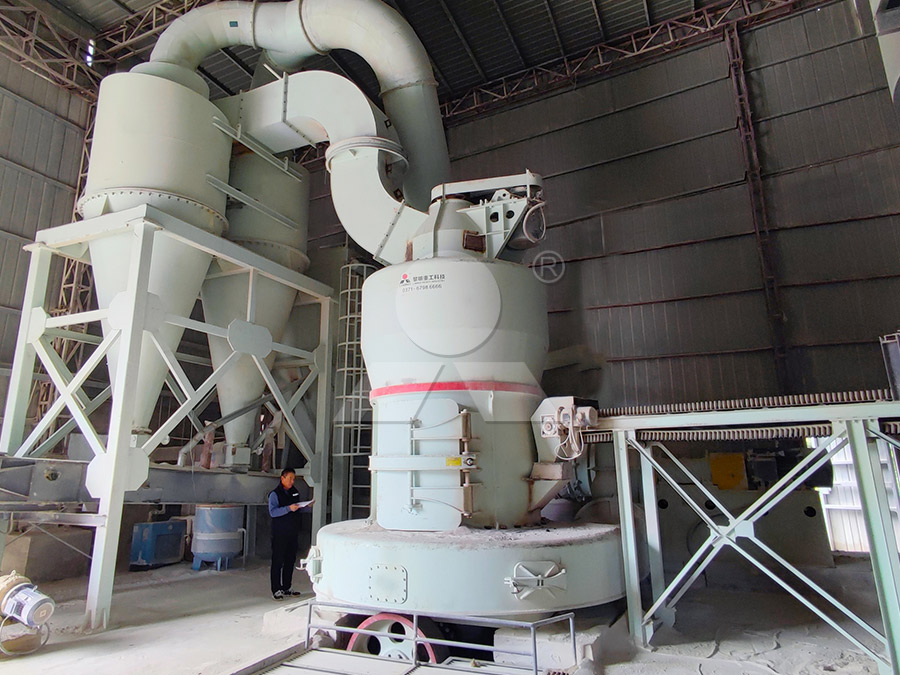
- For Ultra-Fine Powder Production: When your project demands superfine powders between 325 and 2500 meshes, a specialized mill is needed. For this, we highly recommend our MW Ultrafine Grinding Mill. It’s engineered for customers who need to make ultra-fine powder. With an input size of 0-20 mm and a capacity range of 0.5-25 tph, it’s incredibly versatile. It’s equipped with an efficient pulse dust collector and muffler, making the whole production process eco-friendly by reducing dust and noise. Its unique design, with no rolling bearings or screws in the grinding chamber, eliminates worries about bearing damage or loose screws causing failures.
3. The Operating Process: A Step-by-Step Overview
While each mill has its nuances, the general process follows these steps:
- Pre-Crushing: Use a jaw crusher or hammer crusher to reduce large rocks to the mill’s required feed size (e.g., <20mm for the MW Mill).
- Feeding: A vibrating feeder or screw conveyor steadily transports the crushed material into the mill’s grinding chamber. Consistency here is key to stable operation.
- Grinding: This is the core of the process. Rollers or balls apply pressure and shear forces to crush and abrade the material into finer particles.
- Classification: Inside the mill, a powder separator (or classifier) immediately sorts the ground material. Coarse particles are rejected back to the grinding zone for further processing, while fine,合格 powder moves on.
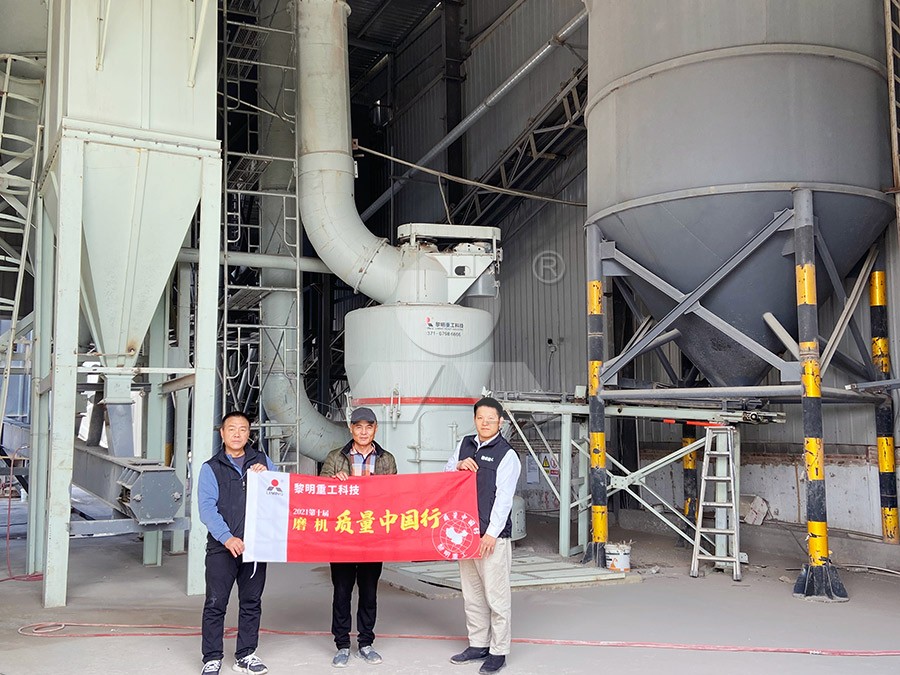
- Collection: The fine powder is carried by an air stream to a cyclone collector or bag filter, where it is separated from the air and discharged as the final product.
4. Key Tips for Efficient and Safe Operation
- Monitor Feed Rate: Avoid overfeeding, which can choke the mill and cause vibration, or underfeeding, which leads to metal-on-metal contact and excessive wear.
- Check for Wear: Regularly inspect grinding rollers, rings, and liners. Worn parts reduce efficiency and can contaminate your product.
- Listen and Feel: Unusual noises or vibrations are often the first sign of a problem, like a loose part or an imbalance.
- Mind the Temperature: Excessive heat can damage both the mill and the final product. Ensure cooling systems or air flow are functioning correctly.
5. Maintenance is Key to Longevity
Proper maintenance ensures maximum uptime and protects your investment. This includes regular lubrication (note: our MW Mill allows for external lubrication without shutdown!), checking hydraulic systems, and replacing wear parts with genuine OEM components to guarantee performance and fit. We stand behind our machines with a sufficient supply of original spare parts for worry-free operation.
Conclusion
Mastering the use of a grinding mill for stone is a blend of selecting the right technology, understanding your material, and adhering to diligent operational practices. For applications demanding the finest powders, the MW Ultrafine Grinding Mill offers a robust, efficient, and environmentally conscious solution, delivering superior product quality with lower energy consumption and higher yields compared to traditional mills.