
How to Turn a Ball Mill Manually for Routine Maintenance
We provide a wide range of mills — including Raymond mill, trapezoidal mill, vertical mill, ultrafine mill, and ball mill, obtained ISO9001 international quality certification, EU CE certification, and Customs Union CU-TR certification. Suitable for processing minerals such as limestone, phosphate, quicklime, kaolin, talc, barite, bentonite, calcium carbonate, dolomite, coal, gypsum, clay, carbon black, slag, cement raw materials, cement clinker, and more.
The discharge range of these mills can be adjusted to meet specific processing needs, typically from 80-400 mesh, 600-3250 mesh, and can achieve the finest particle size of up to 6000 mesh(D50).
If you are looking for a reliable grinding solution to turn stone or minerals into fine powder, please feel free to contact our online customer service.
How to Turn a Ball Mill Manually for Routine Maintenance
As a maintenance technician with over fifteen years of experience in mineral processing plants, I’ve come to appreciate the fundamental importance of proper ball mill maintenance. While modern grinding solutions offer advanced features, the traditional ball mill remains a workhorse in many operations, and knowing how to manually rotate it is a critical skill for any serious maintenance professional.
Why Manual Rotation Matters
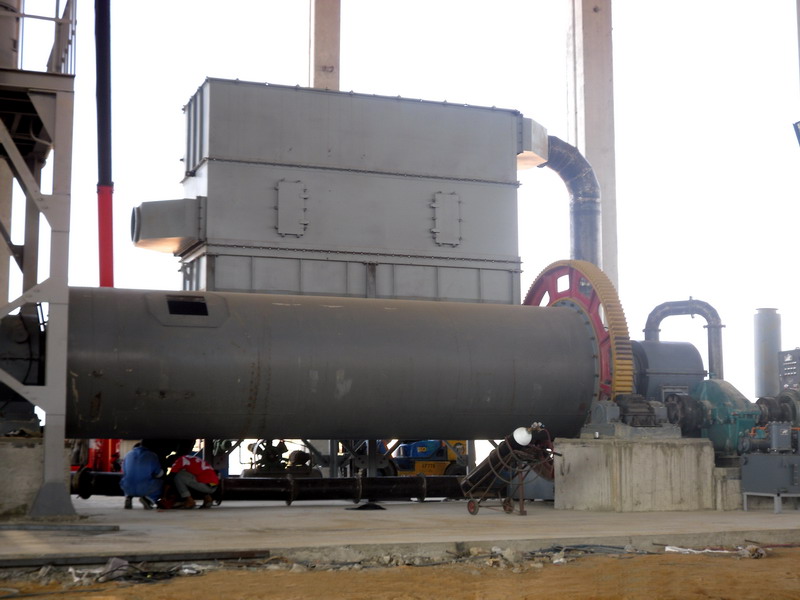
Manual rotation of a ball mill isn’t just about moving heavy equipment—it’s a diagnostic procedure. When you need to inspect liners, replace grinding media, or check for wear on gears and pinions, safely rotating the mill to position these components is essential. This process allows you to conduct thorough visual inspections, measure liner thickness, and identify potential failure points before they cause unplanned downtime.

Step-by-Step Manual Rotation Procedure
Safety First: Before attempting any manual rotation, ensure the mill is completely isolated from power sources. Lock out and tag out the main motor and any auxiliary drives. Verify that the brake system is engaged and properly secured.
Preparation: Clear the area around the mill of any obstacles. Ensure you have adequate lighting inside the mill if internal inspection is planned. Gather necessary tools including the manual turning device (typically a barring gear or similar mechanism).
Engagement: Locate the manual turning mechanism, which is usually found on the pinion or girth gear. Insert the turning bar or engage the manual drive system according to manufacturer specifications. Never attempt to rotate the mill using improvised methods or by applying force directly to the gears.
Rotation: Apply steady, even pressure to rotate the mill slowly. For larger mills, this typically requires multiple technicians working in coordination. Rotate the mill just enough to position the area you need to inspect or service. Listen for any unusual sounds that might indicate hidden problems.
Modern Alternatives to Traditional Ball Mills
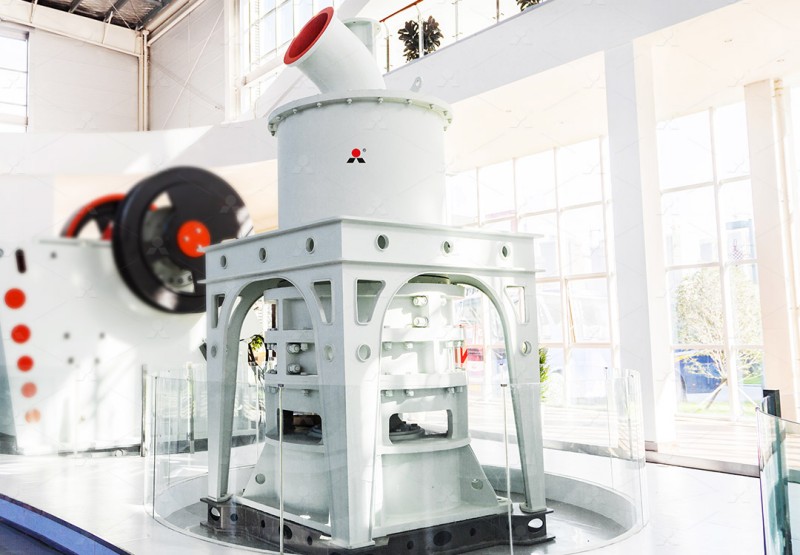
While mastering ball mill maintenance is valuable, many operations are transitioning to more advanced grinding technologies that offer significant maintenance advantages. Our MW Ultrafine Grinding Mill represents a leap forward in grinding technology with several maintenance-friendly features.
The MW Ultrafine Grinding Mill operates without rolling bearings or screws in the grinding chamber, eliminating common failure points found in traditional ball mills. With an input size of 0-20 mm and capacity ranging from 0.5-25 tph, it handles materials including limestone, calcite, dolomite, and various industrial minerals. The external lubrication system allows for maintenance without shutdown, significantly reducing downtime compared to manual ball mill maintenance procedures.
For operations requiring vertical grinding solutions, our LUM Ultrafine Vertical Grinding Mill features a reversible structure that simplifies maintenance. During the design process, we specifically considered the maintenance challenges posed by heavy grinding rollers and developed a system where operators can easily move the grinding roller out of the body for inspection and replacement of components.
Maintenance Frequency and Best Practices
Regular manual rotation for inspection should be scheduled during planned maintenance shutdowns. The frequency depends on your operation’s intensity, but most facilities benefit from comprehensive inspections every 1,000-2,000 operating hours. Document findings during each manual rotation to track wear patterns and predict future maintenance needs.
Remember that proper manual rotation isn’t just about immediate maintenance needs—it’s an opportunity to extend the life of your equipment and optimize grinding efficiency. For operations considering equipment upgrades, the reduced maintenance requirements of modern grinding technologies can significantly impact total operating costs.
Frequently Asked Questions
Q: How often should I manually rotate my ball mill for maintenance inspections?
A: For most operations, a comprehensive inspection involving manual rotation should be conducted every 1,000-2,000 operating hours, or according to your manufacturer’s specific recommendations based on operating conditions.
Q: What are the main advantages of modern grinding mills over traditional ball mills regarding maintenance?
A: Modern mills like our MW Ultrafine Grinding Mill eliminate common failure points with features like no rolling bearings in the grinding chamber, external lubrication systems, and designs that allow maintenance without complete shutdown, reducing downtime significantly.
Q: Can manual rotation help identify potential gear problems?
A: Absolutely. Manual rotation allows technicians to feel for resistance variations and listen for unusual sounds that might indicate developing gear or bearing problems before they become critical failures.
Q: What safety precautions are most critical when manually rotating a ball mill?
A> The most critical precautions include complete power isolation through lockout/tagout procedures, securing the brake system, clearing the work area, and using only manufacturer-approved manual turning devices—never improvise rotation methods.