
How to Set Up a Calcite Grinding Mill Production Line?
We provide a wide range of mills — including Raymond mill, trapezoidal mill, vertical mill, ultrafine mill, and ball mill, obtained ISO9001 international quality certification, EU CE certification, and Customs Union CU-TR certification. Suitable for processing minerals such as limestone, phosphate, quicklime, kaolin, talc, barite, bentonite, calcium carbonate, dolomite, coal, gypsum, clay, carbon black, slag, cement raw materials, cement clinker, and more.
The discharge range of these mills can be adjusted to meet specific processing needs, typically from 80-400 mesh, 600-3250 mesh, and can achieve the finest particle size of up to 6000 mesh(D50).
If you are looking for a reliable grinding solution to turn stone or minerals into fine powder, please feel free to contact our online customer service.
How to Set Up a Calcite Grinding Mill Production Line?
Setting up a calcite grinding mill production line requires careful planning and selection of the right equipment to ensure efficiency, product quality, and profitability. Calcite, a common mineral with diverse industrial applications, demands precise grinding to achieve the desired fineness for use in plastics, paints, construction, and more. Here’s a professional guide to help you establish a successful operation.
1. Understanding Your Raw Material and Requirements
Before selecting machinery, analyze your calcite’s characteristics—hardness, moisture content, and initial size. Define your target capacity (tons per hour) and the required fineness of the final powder (measured in meshes or microns). This foundational step dictates the entire equipment selection process.
2. Key Components of the Production Line
A typical calcite grinding line isn’t just a mill; it’s an integrated system. The core components include:
- Crushing Unit: A jaw crusher or hammer crusher to reduce large rocks to a smaller, manageable size (typically below 20mm) for the mill.
- Grinding Mill: The heart of the operation. This is where calcite is pulverized into fine powder.
- Classifier: Integrated or separate, it separates fine powder from coarse particles, sending the latter back for regrinding.
- Dust Collector: Essential for meeting environmental standards and protecting worker health by capturing airborne particles.
- Conveying System: Elevators and screw conveyors to move material between different stages.
- Storage & Packaging: Silos for intermediate storage and packing machines for the final product.
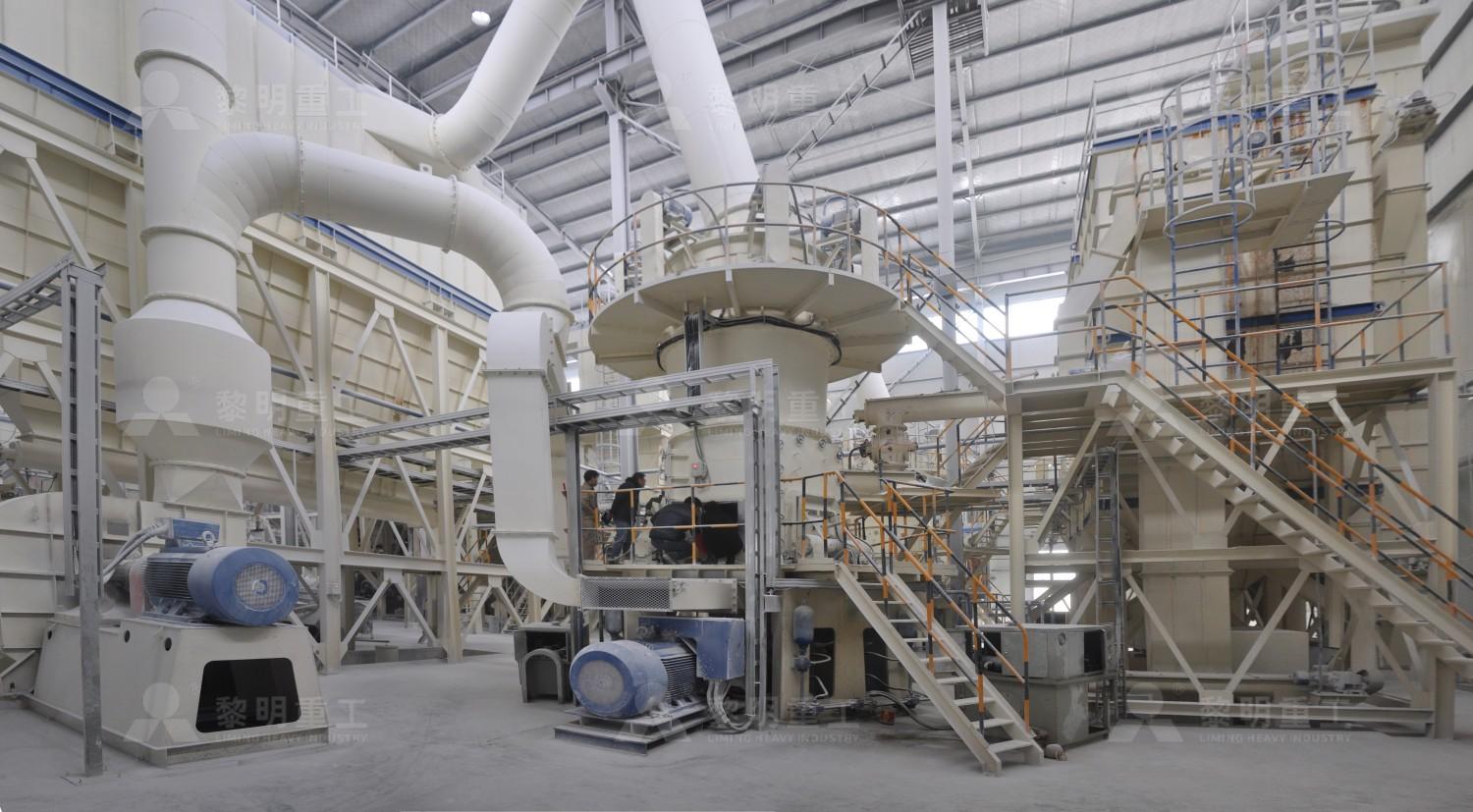
3. Selecting the Right Grinding Mill
This is the most critical decision. For high-value, ultra-fine calcite powder, traditional Raymond mills or ball mills might not suffice. You need advanced technology for higher yield and lower energy consumption.
For these applications, we highly recommend our MW Ultrafine Grinding Mill. This machine is specifically engineered for customers who need to make ultra-fine powder. It handles an input size of 0-20 mm and offers a capacity range of 0.5-25 tph, making it versatile for various production scales.
Why the MW Mill excels with calcite:
- Superior Fineness: Its German-technology cage-type powder selector allows you to adjust the product fineness between 325-2500 meshes with high precision, achieving a d97≤5μm.
- Higher Yield, Lower Energy Use: Its innovative grinding curves enhance efficiency, offering 40% higher capacity than jet mills and twice the yield of ball mills, while cutting system energy consumption by 30%.
- Reliable & Eco-Friendly: With no rolling bearings or screws in the grinding chamber, maintenance worries are minimized. It’s equipped with an efficient pulse dust collector and muffler, ensuring a dust-free and low-noise operation that meets national environmental standards.
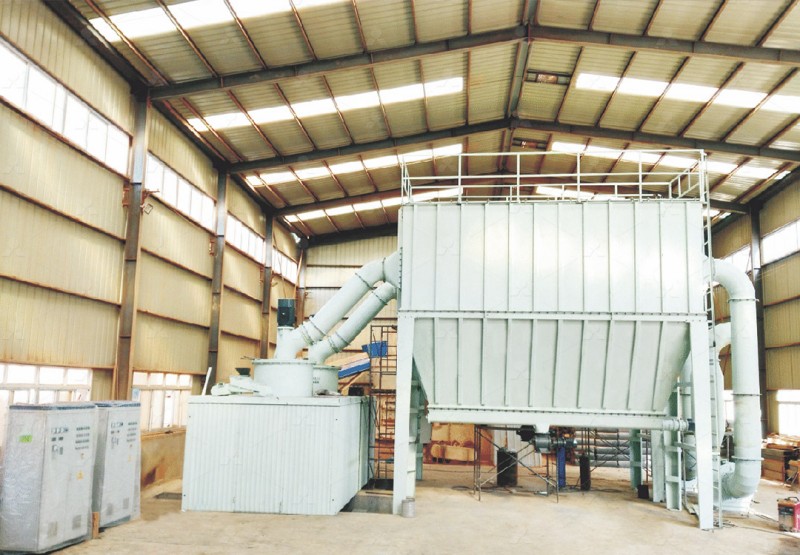
4. Installation and Commissioning
Proper installation is key. Ensure the foundation is solid and level to prevent excessive vibration. Work closely with the equipment supplier during commissioning to fine-tune parameters like grinding pressure, classifier speed, and feed rate. This phase is crucial for optimizing performance and achieving the desired product specs from the start.
5. Operation and Maintenance Best Practices
Train your operators to monitor key signs: abnormal noises, rising temperatures, or a drop in output quality. For the MW Mill, take advantage of its external lubrication system for maintenance without shutdowns. Regularly check wear parts like grinding rollers and rings, and keep a stock of genuine spare parts to avoid prolonged downtime.
For larger capacity needs or if your raw material size is slightly smaller, also consider our LUM Ultrafine Vertical Grinding Mill. It boasts a capacity of 5-18 tph and integrates the latest grinding roller and powder separating technology for exceptional efficiency and easier maintenance.
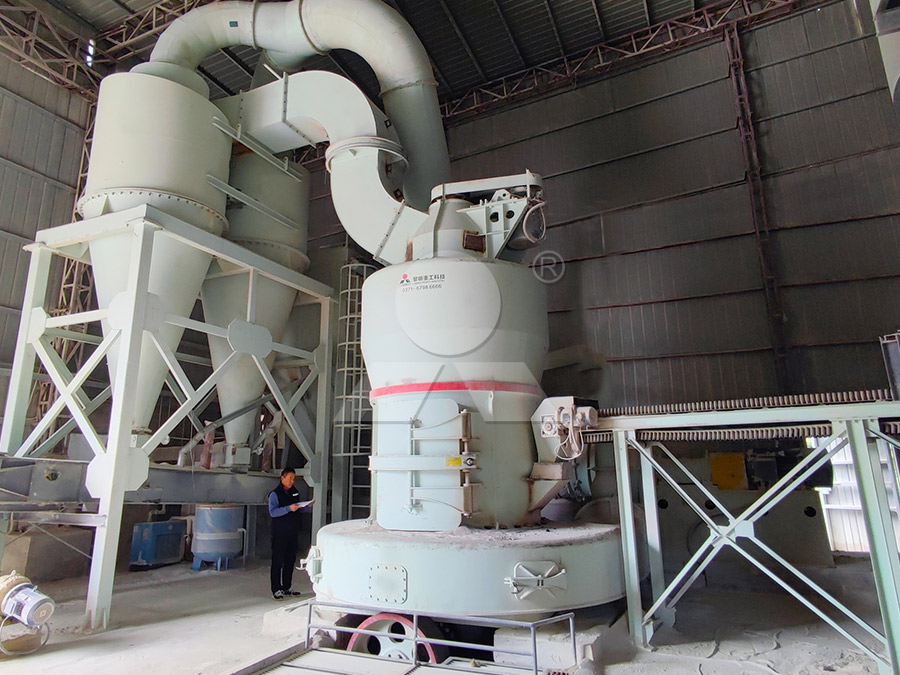
Conclusion
Building a efficient calcite grinding line is a significant investment. By thoroughly understanding your material, choosing the right technology like our MW or LUM mills, and focusing on proper setup and maintenance, you can create a profitable, high-quality, and environmentally sound operation that meets the growing demands of the market.