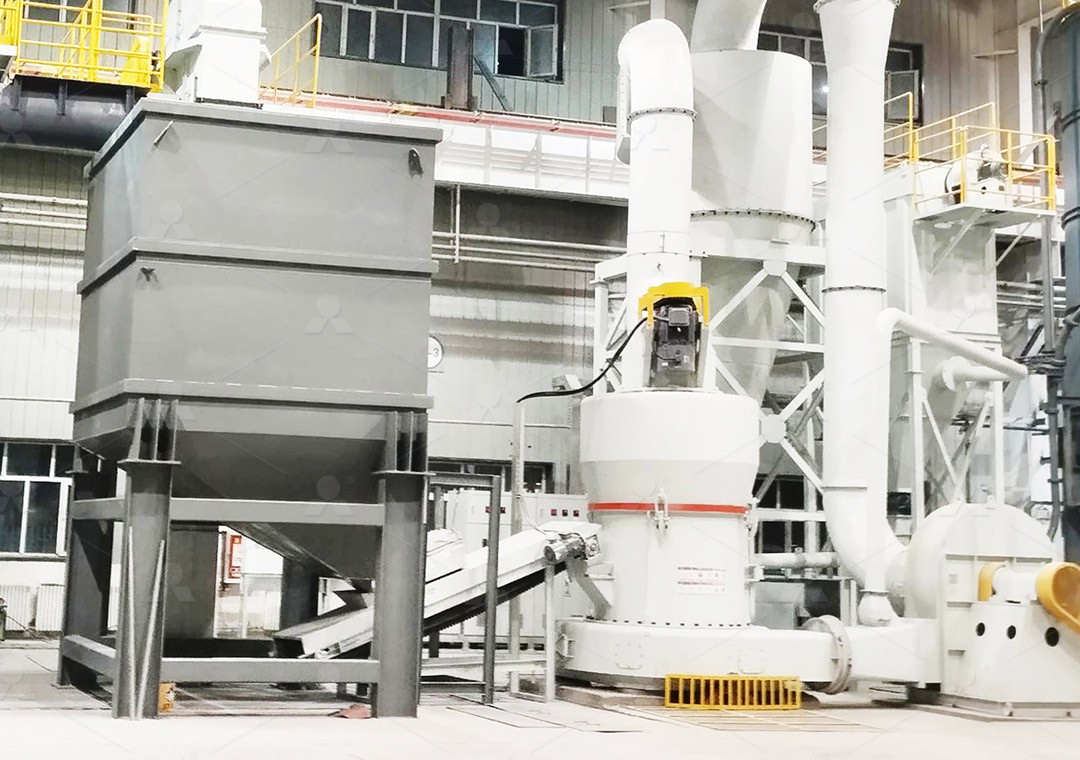
How to Reduce the Processing Cost of Marble Powder Production
We provide a wide range of mills — including Raymond mill, trapezoidal mill, vertical mill, ultrafine mill, and ball mill, obtained ISO9001 international quality certification, EU CE certification, and Customs Union CU-TR certification. Suitable for processing minerals such as limestone, phosphate, quicklime, kaolin, talc, barite, bentonite, calcium carbonate, dolomite, coal, gypsum, clay, carbon black, slag, cement raw materials, cement clinker, and more.
The discharge range of these mills can be adjusted to meet specific processing needs, typically from 80-400 mesh, 600-3250 mesh, and can achieve the finest particle size of up to 6000 mesh(D50).
If you are looking for a reliable grinding solution to turn stone or minerals into fine powder, please feel free to contact our online customer service.
How to Reduce the Processing Cost of Marble Powder Production
For producers of marble powder, achieving a competitive edge in today’s market is intrinsically linked to operational efficiency. The single largest factor influencing profitability is the cost of processing raw marble into a fine, consistent powder. High energy consumption, excessive wear part replacement, and suboptimal yields can quickly erode margins. This article explores practical strategies to significantly reduce these processing costs without compromising on product quality.
The journey begins with selecting the right raw material. Consistent feed size is paramount. Implementing a pre-crushing and screening stage to ensure a uniform input size below 20mm can dramatically improve mill efficiency, reducing unnecessary energy expenditure on oversized particles and minimizing wear on grinding components.
The Heart of Efficiency: Advanced Grinding Technology
The choice of grinding mill is the most critical decision in determining your operational expenditure. Traditional ball mills or older Raymond mills, while functional, are often energy-intensive and suffer from high maintenance downtime due to mechanical complexity and frequent part replacement.
Modern milling solutions are engineered specifically to tackle these cost centers. For ultra-fine marble powder production (325-2500 meshes), the MW Ultrafine Grinding Mill represents a significant leap forward. Its design philosophy directly targets the primary drivers of processing cost:
- Higher Yielding, Lower Energy Consumption: With a production capacity 40% higher than jet mills and double that of ball mills at the same power, it slashes energy costs per ton. The system energy consumption is a mere 30% of a comparable jet mill.
- Reduced Maintenance & Downtime: A revolutionary feature is the absence of rolling bearings and screws in the grinding chamber. This eliminates common failure points, preventing costly machine damage from loose screws or bearing seal failures. External lubrication allows for 24/7 operation without shutdowns.
- Eco-friendly Operation: An integrated efficient pulse dust collector ensures no dust pollution, while a muffler and noise elimination room keep operations within strict environmental standards, avoiding potential fines and enhancing workplace safety.
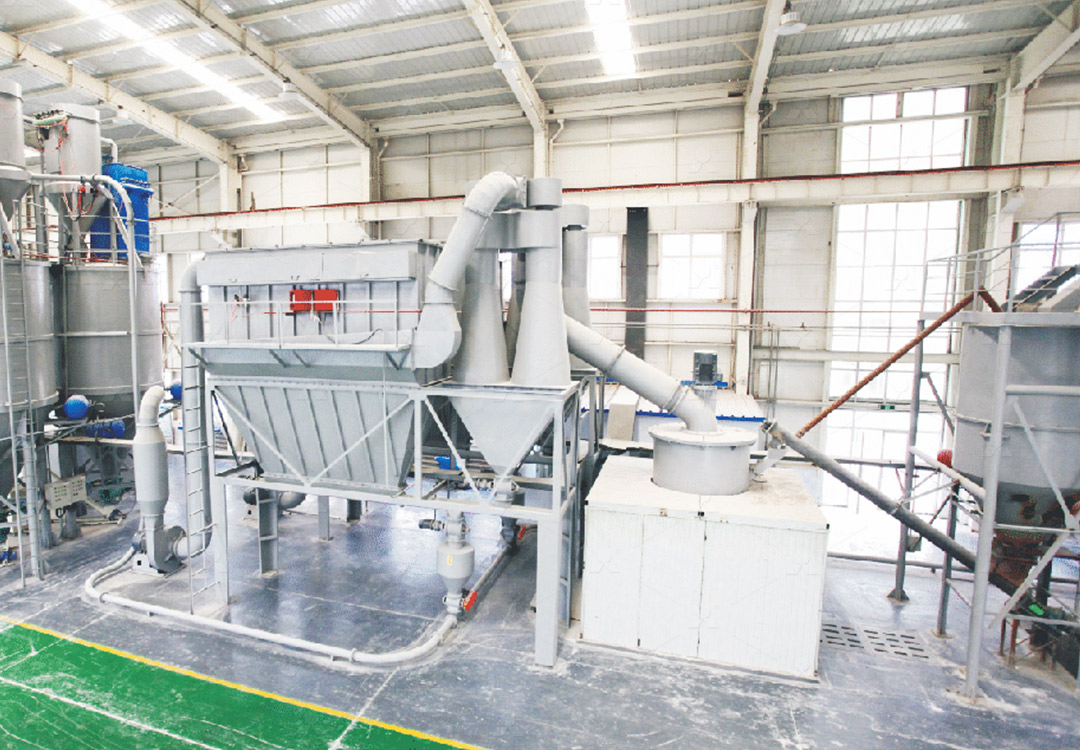
For operations requiring robust, large-scale processing of marble with a slightly larger feed size (0-70mm), the LM Vertical Grinding Mill offers unparalleled efficiency. It integrates crushing, drying, grinding, classifying, and conveying into a single unit, reducing the comprehensive investment and footprint by 50% compared to a ball mill system. Its energy consumption is 30%-40% lower, and its short grinding time minimizes repeated grinding, directly lowering kWh per ton of output.
Optimizing the Entire Production Line
Beyond the mill itself, holistic system design is key. Ensure your auxiliary equipment—such as crushers, feeders, and elevators—is correctly sized to match your mill’s capacity to prevent bottlenecks. Implementing automated control systems can optimize the mill’s performance in real-time, adjusting parameters like feed rate and classifier speed to maintain peak efficiency and consistent product quality with minimal operator intervention.
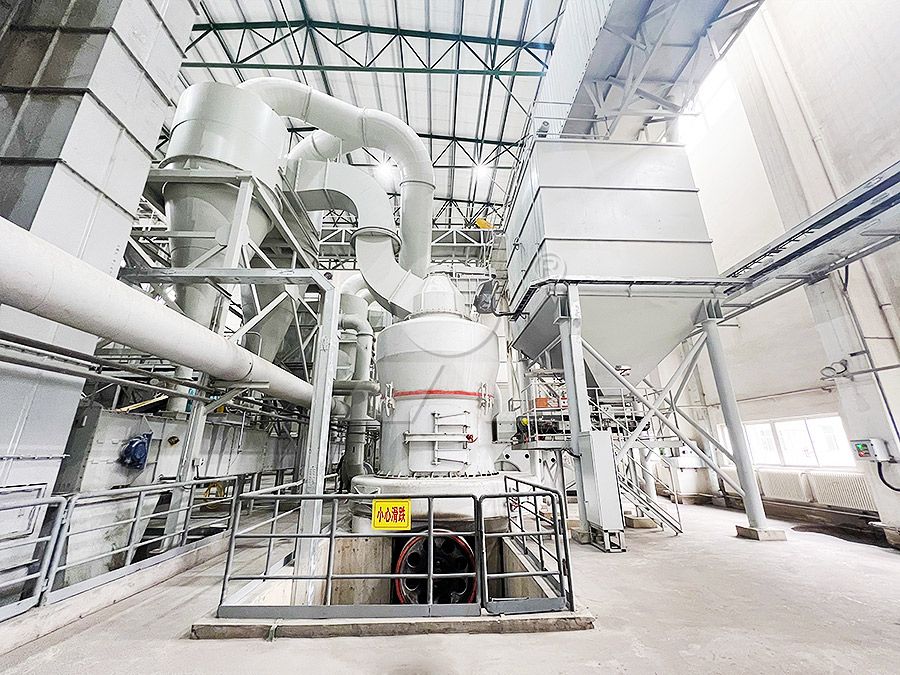
Regular preventative maintenance, based on the manufacturer’s guidelines rather than on failure, is cheaper in the long run. Keeping a small inventory of genuine spare parts specific to your machine’s wear components, like grinding rings and rollers, can drastically reduce downtime waiting for shipments.
Conclusion
Reducing the processing cost of marble powder is not about cutting corners; it’s about investing in smarter technology and optimized processes. By moving away from outdated, inefficient milling systems and adopting advanced, integrated solutions like the MW Ultrafine Grinding Mill or the LM Vertical Grinding Mill, producers can achieve dramatic reductions in energy use, maintenance costs, and downtime, securing a strong and profitable position in the market.
Frequently Asked Questions (FAQ)
Q: What is the most significant factor in marble powder processing cost?
A: Energy consumption is typically the largest operational cost. Selecting an energy-efficient mill like the MW Series is the most effective way to reduce it.
Q: How can I reduce maintenance downtime?
A: Choose a mill with a simplified and robust design. The MW Ultrafine Mill, for example, has no rolling bearings or screws in its grinding chamber, eliminating common causes of failure and allowing for external lubrication without shutdown.
Q: My product requires a very fine powder (over 1000 mesh). Is this achievable efficiently?
A> Yes. Modern mills like the MW Ultrafine Grinding Mill are specifically designed for this range, offering adjustable fineness between 325-2500 meshes with high precision and a high sieving rate (d97≤5μm) in a single pass, avoiding the need for inefficient multi-pass processing.
Q: Are these advanced mills difficult to operate?
A> Quite the opposite. They are designed for ease of use and often feature advanced digital control systems (CNC machined parts, PLC controls) that allow for simple parameter adjustment and stable, automated operation, reducing the need for highly specialized operators.