
How to Reduce Roller Wear in Raymond Vertical Mill for Efficient Coal Grinding
We provide a wide range of mills — including Raymond mill, trapezoidal mill, vertical mill, ultrafine mill, and ball mill, obtained ISO9001 international quality certification, EU CE certification, and Customs Union CU-TR certification. Suitable for processing minerals such as limestone, phosphate, quicklime, kaolin, talc, barite, bentonite, calcium carbonate, dolomite, coal, gypsum, clay, carbon black, slag, cement raw materials, cement clinker, and more.
The discharge range of these mills can be adjusted to meet specific processing needs, typically from 80-400 mesh, 600-3250 mesh, and can achieve the finest particle size of up to 6000 mesh(D50).
If you are looking for a reliable grinding solution to turn stone or minerals into fine powder, please feel free to contact our online customer service.
Introduction
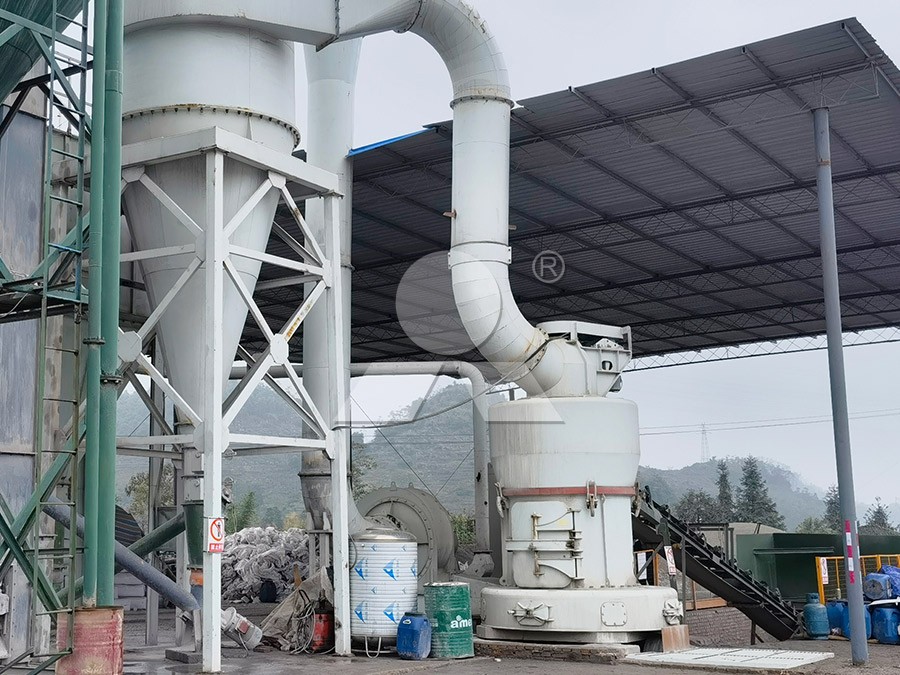
Roller wear is a common challenge in Raymond Vertical Mills, especially when grinding abrasive materials like coal. Excessive wear not only reduces grinding efficiency but also increases maintenance costs. This article explores practical strategies to minimize roller wear while maintaining optimal performance.
Understanding the Causes of Roller Wear
In coal grinding applications, several factors contribute to roller wear:
- Abrasive nature of coal particles
- Improper grinding pressure
- Insufficient or improper lubrication
- Material feed size inconsistencies
- Excessive moisture content
Key Strategies to Reduce Roller Wear
1. Optimize Grinding Pressure
Maintaining proper grinding pressure is crucial. Too much pressure accelerates wear, while insufficient pressure reduces grinding efficiency. Modern mills like our MW Ultrafine Grinding Mill feature hydraulic systems that automatically adjust grinding pressure based on material characteristics.
2. Implement Proper Lubrication Systems
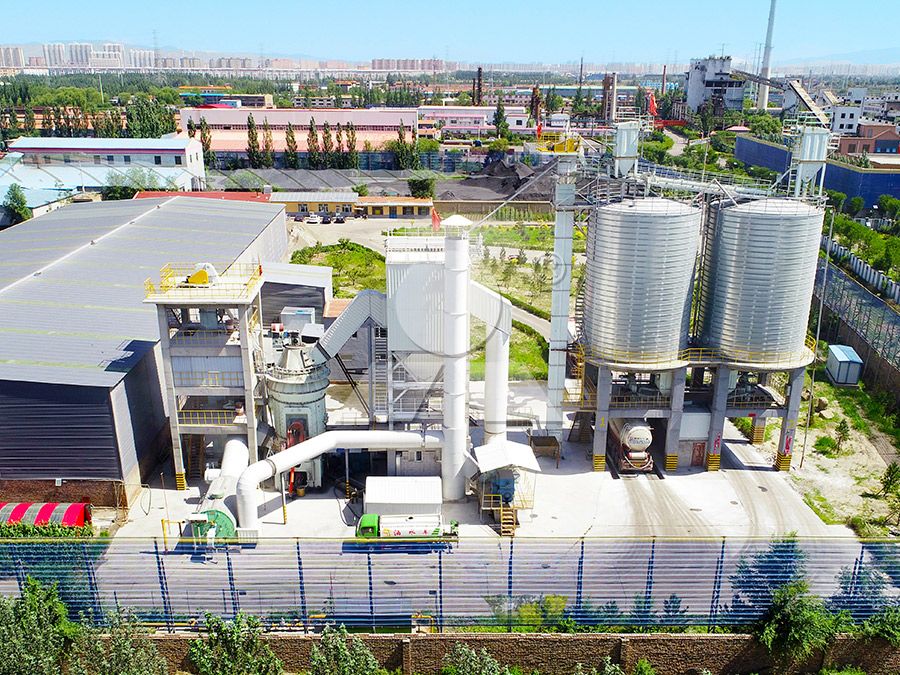
Traditional lubrication methods often prove inadequate. Our LUM Ultrafine Vertical Grinding Mill utilizes an advanced dilute oil lubrication system that:
- Reduces friction by 40% compared to grease systems
- Extends roller service life by 2-3 times
- Requires minimal maintenance
3. Control Feed Material Characteristics
Maintaining consistent feed size (ideally below 20mm) and moisture content (below 10%) significantly reduces roller wear. Our grinding mills feature:
- Integrated pre-crushing systems
- Moisture control through hot air injection
- Automatic feed rate adjustment
4. Use Wear-Resistant Materials
Investing in high-quality roller materials pays dividends in long-term operation. Our mills utilize:
- Special alloy steel compositions
- Surface hardening technologies
- Replaceable wear plates
Product Spotlight: MW Ultrafine Grinding Mill
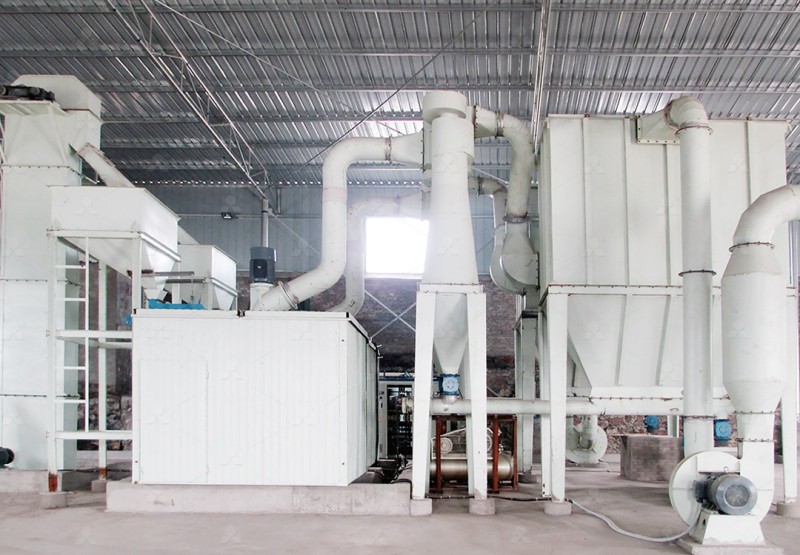
For coal grinding applications requiring minimal roller wear, our MW Ultrafine Grinding Mill offers exceptional performance:
- Input Size: 0-20 mm
- Capacity: 0.5-25 tph
- Key Features:
- Newly designed grinding curves enhance efficiency
- No rolling bearings in grinding chamber
- Advanced pulse dust collection system
- Adjustable fineness between 325-2500 meshes
Maintenance Best Practices
Regular maintenance can significantly extend roller life:
- Weekly inspection of roller surfaces
- Monthly lubrication system checks
- Quarterly wear measurement
- Annual complete overhaul
Conclusion
Reducing roller wear in Raymond Vertical Mills requires a comprehensive approach combining proper equipment selection, operational optimization, and regular maintenance. By implementing these strategies and considering advanced mill designs like our MW series, operators can achieve both efficient coal grinding and extended component life.