
How to Produce High-Purity Quartz Sand Using a Ball Mill
We provide a wide range of mills — including Raymond mill, trapezoidal mill, vertical mill, ultrafine mill, and ball mill, obtained ISO9001 international quality certification, EU CE certification, and Customs Union CU-TR certification. Suitable for processing minerals such as limestone, phosphate, quicklime, kaolin, talc, barite, bentonite, calcium carbonate, dolomite, coal, gypsum, clay, carbon black, slag, cement raw materials, cement clinker, and more.
The discharge range of these mills can be adjusted to meet specific processing needs, typically from 80-400 mesh, 600-3250 mesh, and can achieve the finest particle size of up to 6000 mesh(D50).
If you are looking for a reliable grinding solution to turn stone or minerals into fine powder, please feel free to contact our online customer service.
How to Produce High-Purity Quartz Sand Using a Ball Mill
Producing high-purity quartz sand is a critical process for numerous industries, including glass manufacturing, electronics, and solar panel production. The ball mill has long been a cornerstone in the grinding and purification stages of this operation. This article outlines the key steps and considerations for achieving the desired purity and particle size.
The Role of the Ball Mill in Quartz Processing
A ball mill operates on a simple yet effective principle. It is a horizontal rotating cylinder filled with grinding media, typically high-purity ceramic or silica balls. The raw quartz ore, after initial crushing and washing, is fed into the mill. As the cylinder rotates, the tumbling action of the balls impacts and grinds the quartz particles down to the required fineness.
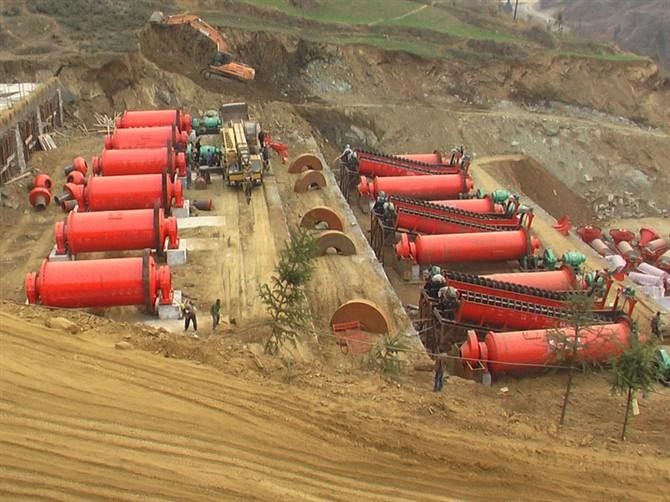
The key to success lies in controlling several variables:
- Grinding Media: Using liners and balls made from high-alumina ceramic or naturally occurring quartzite is essential to prevent metallic iron contamination, which is a major impurity concern.
- Mill Speed: Operating at the correct rotational speed is crucial. Too slow, and insufficient grinding occurs; too fast, and the media centrifuges, eliminating the tumbling action.
- Feed Size and Density: The size of the input material and the slurry density within the mill directly affect grinding efficiency and energy consumption.
Beyond the Ball Mill: Achieving Ultra-High Purity
While a traditional ball mill is excellent for initial size reduction, achieving the ultra-fine powders often required for high-tech applications (often down to d97 ≤ 5μm) demands more advanced technology. This is where modern, specialized grinding mills outperform conventional equipment.
For producers looking to significantly enhance their product quality and operational efficiency, upgrading to an ultrafine grinding system is a strategic move. Our MW Ultrafine Grinding Mill is specifically engineered for this purpose. With an input size of 0-20 mm and a capacity range of 0.5-25 tph, it is perfectly suited for high-purity quartz sand production.
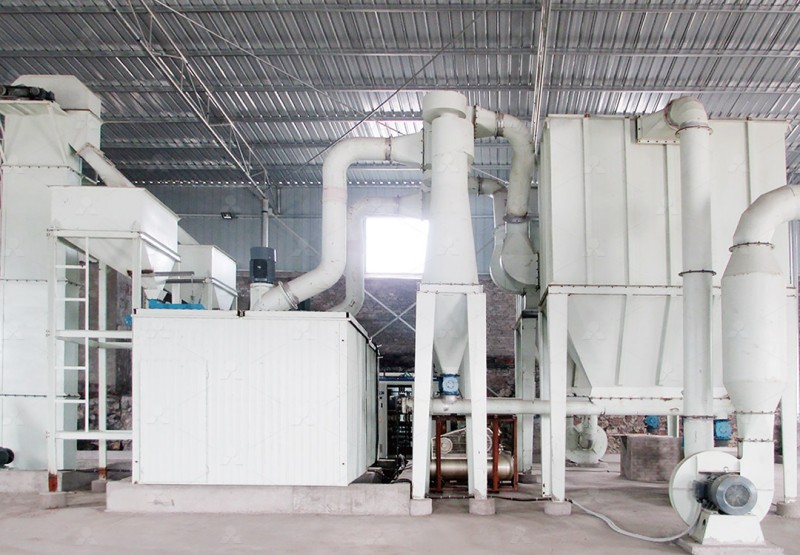
The MW Mill offers distinct advantages over a standard ball mill for this application:
- Superior Fineness & Precision: Its advanced cage-type powder selector, adopting German technology, allows for precise adjustment of product fineness between 325-2500 meshes, achieving a consistent d97≤5μm in a single pass.
- Higher Yield, Lower Energy Use: It delivers a production capacity 40% higher than jet mills and double that of ball mills at the same power, while reducing system energy consumption by up to 70%.
- Minimal Contamination: A critical feature for quartz processing is the absence of rolling bearings and screws in the grinding chamber. This design eliminates a primary source of mechanical wear and iron contamination, ensuring the final product’s whiteness and purity.
- Eco-Friendly Operation: The integrated efficient pulse dust collector and muffler ensure a dust-free and low-noise environment, meeting stringent national environmental protection standards.
Process Flow Recommendation
- Primary Crushing: Reduce raw quartz ore to below 20mm.
- Washing & Magnetic Separation: Remove clay, dirt, and most ferromagnetic impurities.
- Grinding: Feed the cleaned material into the MW Ultrafine Grinding Mill. The mill’s efficient grinding curve and precise classification will produce the target fine powder without over-grinding.
- Additional Purification (if needed): The finely ground powder is ideal for subsequent acid leaching or flotation processes to remove any remaining trace impurities.
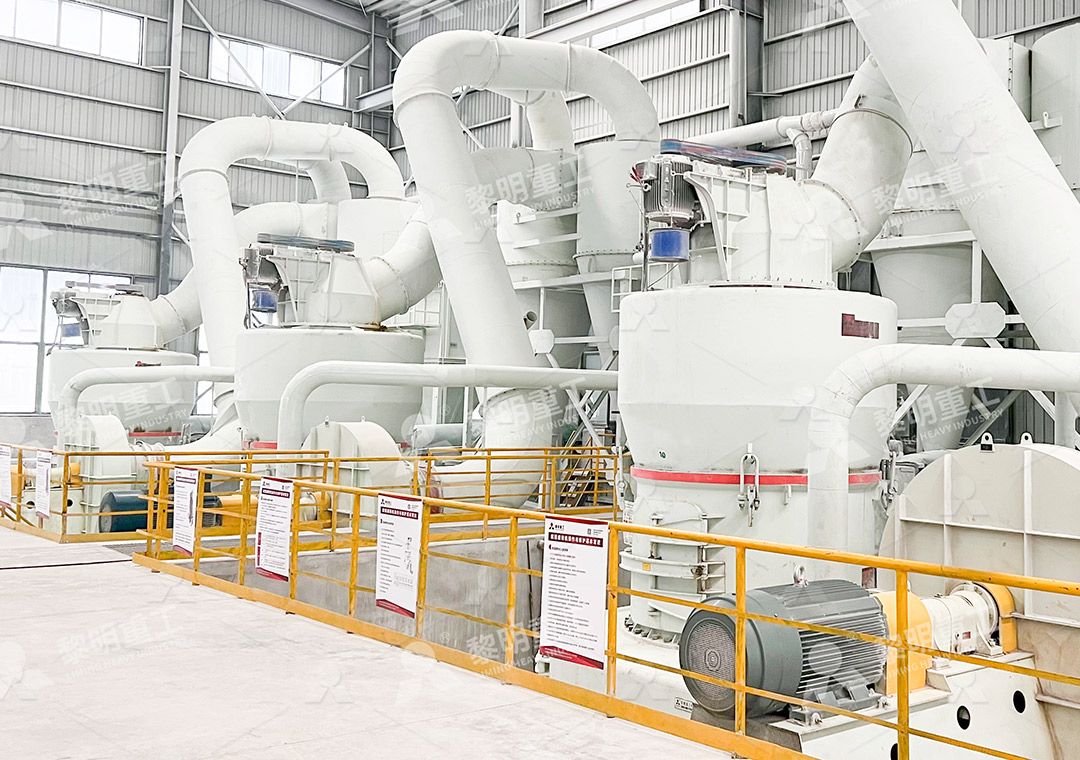
In conclusion, while the ball mill is a proven workhorse, modernizing your production line with advanced technology like the MW Ultrafine Grinding Mill is the key to unlocking higher efficiency, lower operational costs, and a superior, high-value quartz sand product that meets the demanding specifications of today’s markets.