
How to Process Materials with a Grinding Mill Machine Step by Step
We provide a wide range of mills — including Raymond mill, trapezoidal mill, vertical mill, ultrafine mill, and ball mill, obtained ISO9001 international quality certification, EU CE certification, and Customs Union CU-TR certification. Suitable for processing minerals such as limestone, phosphate, quicklime, kaolin, talc, barite, bentonite, calcium carbonate, dolomite, coal, gypsum, clay, carbon black, slag, cement raw materials, cement clinker, and more.
The discharge range of these mills can be adjusted to meet specific processing needs, typically from 80-400 mesh, 600-3250 mesh, and can achieve the finest particle size of up to 6000 mesh(D50).
If you are looking for a reliable grinding solution to turn stone or minerals into fine powder, please feel free to contact our online customer service.
How to Process Materials with a Grinding Mill Machine Step by Step
Grinding mill machines are essential equipment in various industries, from mining and construction to chemicals and food production. Proper operation is crucial for efficiency, product quality, and equipment longevity. Here’s a professional, step-by-step guide to processing materials with a grinding mill.
Step 1: Material Preparation and Inspection
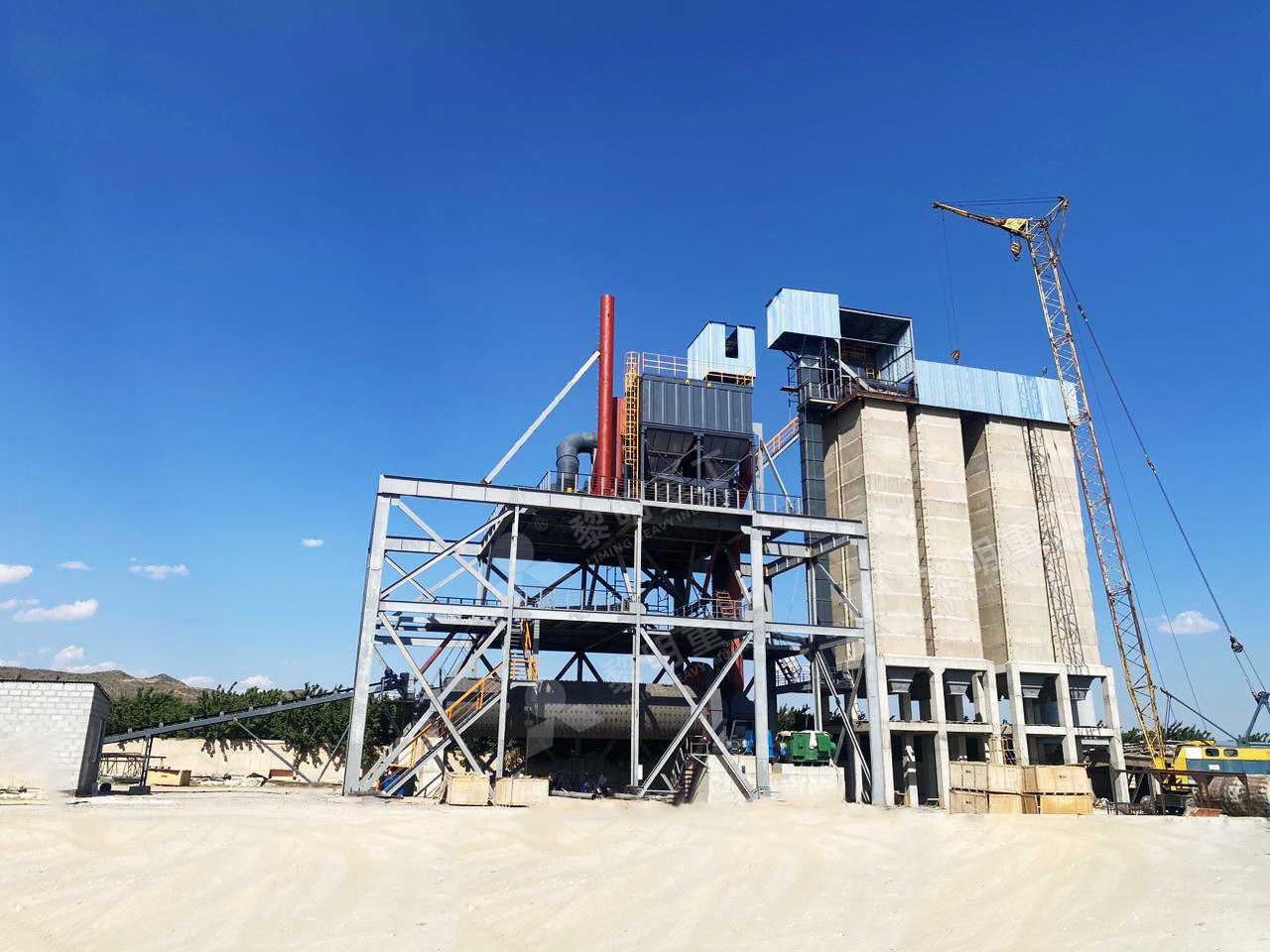
Before feeding anything into the mill, the raw material must be properly prepared. This typically involves primary crushing to reduce large rocks or chunks to a size suitable for the mill’s feed inlet. For instance, if you’re using our MW Ultrafine Grinding Mill, which has an input size of 0-20 mm, you must ensure no oversized material enters the machine. Always inspect the raw material for foreign objects like metal pieces that could damage the grinding components.
Step 2: Machine Setup and Parameter Configuration
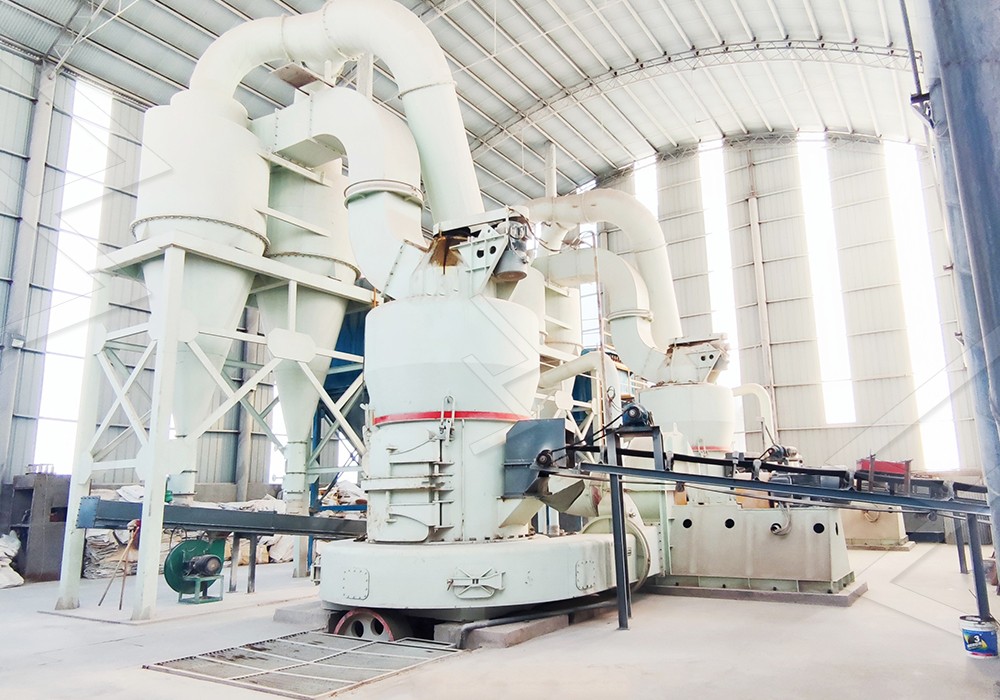
Configure the mill according to your desired final product specifications. This includes setting the grinding pressure (if adjustable), the speed of classifiers or separators, and the feed rate. For ultra-fine powders, a machine like our MW Ultrafine Grinding Mill is ideal, as its cage-type powder selector allows you to adjust the fineness between 325-2500 meshes with high precision. Ensure all safety guards are in place and the lubrication system, like the external one on the MW mill, is checked.
Step 3: System Startup Sequence
Never start the grinder under load. Follow the correct startup sequence:
- Start the downstream equipment first (e.g., dust collectors, powder conveyors). Our MW mill’s efficient pulse dust collector should be operational to ensure an eco-friendly process from the start.
- Start the main motor driving the grinding mechanism.
- Finally, start the feeding device (e.g., vibrating feeder) to begin introducing material at a controlled rate.
This sequential startup prevents blockages and reduces stress on the motor and drive train.
Step 4: The Grinding Process and Monitoring
As material is fed into the mill (e.g., onto the central part of the turnplate in the MW mill), the grinding action begins. Continuously monitor key parameters:
- Amperage/Current Draw: A sudden spike can indicate a blockage or too much feed; a drop can mean no feed.
- Noise and Vibration: Unusual sounds or vibrations can signal mechanical issues. A key advantage of the MW Ultrafine Grinding Mill is its design without rolling bearings or screws in the grinding chamber, vastly reducing common failure points and associated noise.
- Product Fineness: Regularly take samples to check if the product meets the desired specification.
Step 5: Material Separation and Collection
After grinding, the air flow carries the powder to the integrated separator. Coarse particles are rejected and returned for further grinding, while fine product is conveyed to the collection system (e.g., cyclones, bag filters). The efficiency of this stage is critical. The MW mill’s German-technology powder selector ensures a high screening rate achieving d97≤5μm in a single pass, maximizing yield and efficiency.
Step 6: System Shutdown and Cleaning
When processing is complete, follow the reverse sequence for shutdown:
- Stop the feeding device first.
- Allow the mill to run for a few minutes to clear out most of the material.
- Stop the main grinding motor.
- Finally, stop the auxiliary systems like dust collectors and conveyors.
Perform a thorough cleaning to prevent cross-contamination between batches and to inspect wear parts for maintenance.
Choosing the Right Mill for Your Application
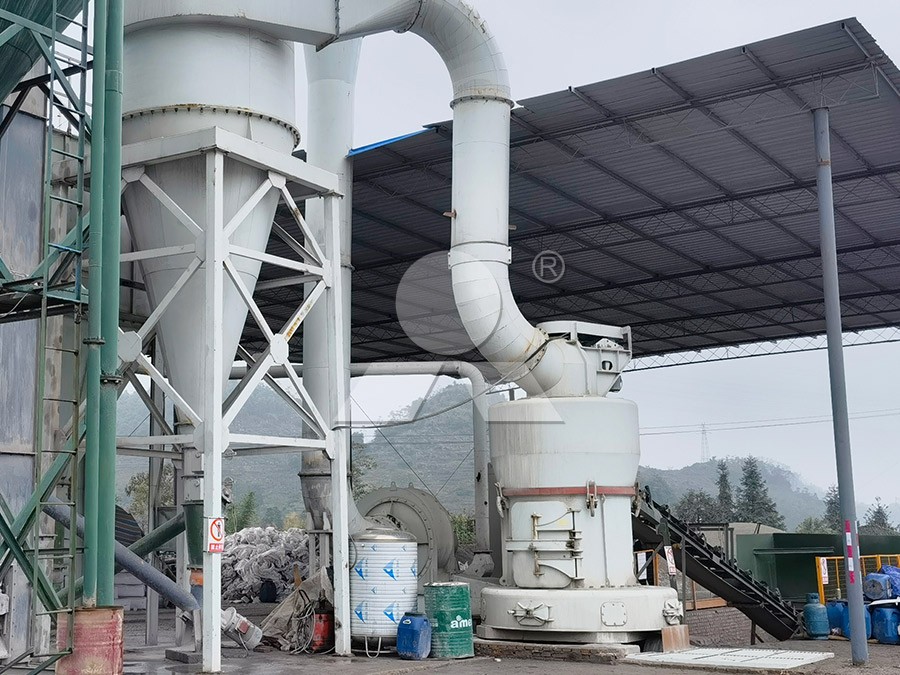
Selecting the correct mill is paramount. For general-purpose grinding of non-metallic minerals like limestone, calcite, or dolomite where ultra-fine powder (2500 mesh) and high capacity (up to 25 tph) are required, the MW Ultrafine Grinding Mill is an exceptional choice. Its higher yielding and lower energy consumption—40% higher capacity than jet mills—make it both productive and cost-effective. For operations requiring even higher throughputs with slightly larger feed sizes, our LM Vertical Grinding Mill series, handling up to 340 tph, is another robust and efficient solution worth considering.
By following these steps and choosing equipment designed for reliability and performance, like our MW and LM mills, you can ensure a efficient, profitable, and trouble-free grinding operation. Remember to always consult the specific manual for your machine and prioritize regular maintenance.