
How to Prevent Ball Mill Damage from Stones in Power Plants
We provide a wide range of mills — including Raymond mill, trapezoidal mill, vertical mill, ultrafine mill, and ball mill, obtained ISO9001 international quality certification, EU CE certification, and Customs Union CU-TR certification. Suitable for processing minerals such as limestone, phosphate, quicklime, kaolin, talc, barite, bentonite, calcium carbonate, dolomite, coal, gypsum, clay, carbon black, slag, cement raw materials, cement clinker, and more.
The discharge range of these mills can be adjusted to meet specific processing needs, typically from 80-400 mesh, 600-3250 mesh, and can achieve the finest particle size of up to 6000 mesh(D50).
If you are looking for a reliable grinding solution to turn stone or minerals into fine powder, please feel free to contact our online customer service.
How to Prevent Ball Mill Damage from Stones in Power Plants
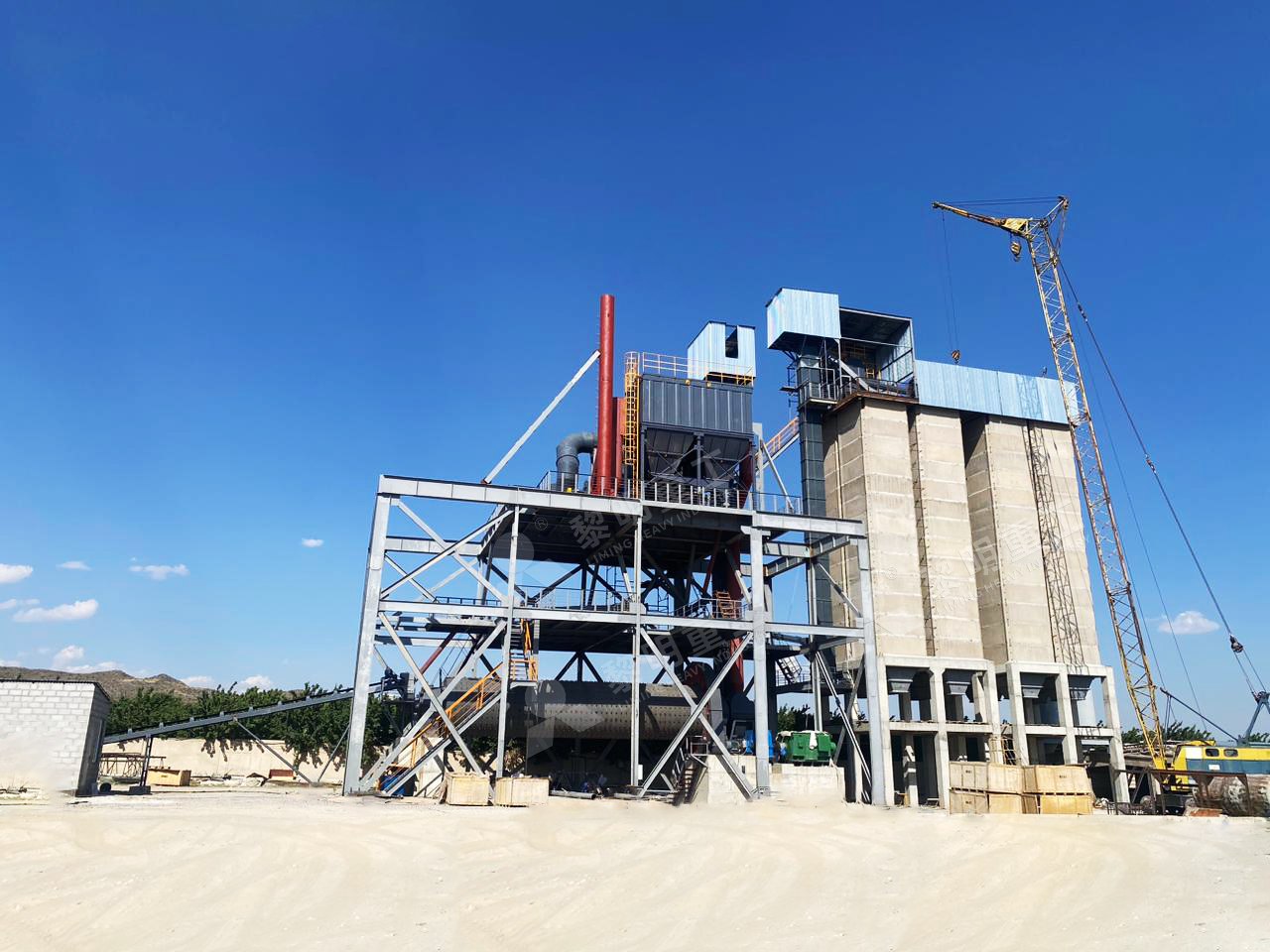
Ball mills are indispensable workhorses in power plant operations, primarily used for pulverizing coal to facilitate efficient combustion. However, one of the most persistent and costly challenges faced by plant operators is the inadvertent introduction of foreign materials, particularly hard stones and tramp metal, into the grinding chamber. These contaminants can cause catastrophic damage to the mill’s internal components, including liners, grinding media (balls), and gears, leading to unplanned downtime, expensive repairs, and lost production.
The primary entry points for these damaging materials are often the raw coal feed. Despite best efforts with screening and magnetic separators, some hard, abrasive stones or occasional metal fragments can slip through. Inside the ball mill, these materials do not grind effectively. Instead, they act as destructive elements, causing excessive wear, imbalanced loads, and in severe cases, cracking the mill shell or damaging the drive train.
Proactive Strategies for Prevention
A multi-layered defense strategy is crucial to mitigate this risk effectively:
- Enhanced Feed Pre-Screening: Implementing robust, multi-stage screening systems before the crusher and mill feed is the first critical line of defense. Using vibrating screens with appropriately sized apertures can remove a significant portion of oversized and troublesome stones.
- Advanced Metal Detection and Removal: Installing powerful suspended plate magnets or electromagnetic separators over conveyor belts can efficiently extract ferrous tramp metal. For non-ferrous metals, metal detectors coupled with automatic rejection systems are highly effective.
- Regular Inspection and Maintenance: Establishing a rigorous schedule for inspecting mill liners, listening for unusual grinding noises (a tell-tale sign of problems), and monitoring power consumption for abnormal spikes can help identify an issue before it leads to a major failure.
- Operational Vigilance: Training operators to recognize the signs of contaminated feed and empowering them to stop the process for investigation is a simple yet powerful tool for prevention.
A Modern Alternative: Eliminating the Risk at the Source
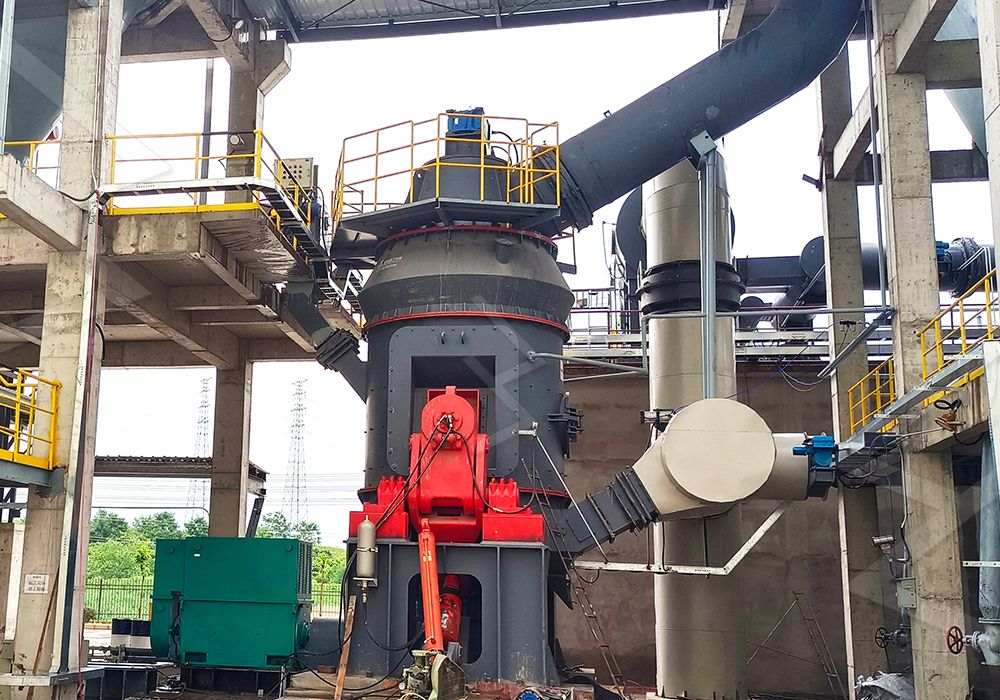
While the above measures are effective, they add complexity and are not infallible. For new projects or major upgrades, considering a grinding technology inherently less susceptible to this type of damage offers a more robust long-term solution. Vertical Roller Mills (VRMs) and advanced ultrafine grinding systems present a compelling alternative.
For instance, our MW Ultrafine Grinding Mill is engineered to handle a range of materials with superior efficiency and resilience. A key design feature that directly addresses the stone damage problem is that there are no rolling bearings or screws inside its grinding chamber. This eliminates critical failure points that are highly vulnerable to impact damage from hard contaminants. Furthermore, its working principle, which relies on material bed compression between a roller and a stationary ring, is generally more forgiving than the high-impact, ball-on-shell contact of a traditional ball mill.
The MW Mill offers an input size of 0-20 mm and a capacity range of 0.5-25 tph, making it suitable for various auxiliary power plant grinding applications beyond raw coal, such as preparing limestone for flue gas desulfurization (FGD). Its higher efficiency and lower energy consumption also contribute to a reduced operational cost and carbon footprint.
Frequently Asked Questions (FAQ)
What are the most common signs that my ball mill is grinding stones?
Listen for loud, irregular banging or rumbling noises instead of the steady hum of grinding. A sudden, unexplained increase in motor amperage (power draw) is another strong indicator, as the mill is working harder to try to crush the ungrindable objects.
Can’t a magnetic separator remove all harmful materials?
No. Magnetic separators are excellent for removing ferrous metals (iron and steel) but are completely ineffective against non-magnetic metals (like manganese steel used in excavator teeth) and all types of hard stones like quartz or flint. A comprehensive approach using both magnets and screens is necessary.
Is retrofitting a pre-crusher a good solution?
Yes, installing a small jaw crusher before the ball mill can be a very effective solution. It breaks down larger lumps and, crucially, can smash many of the harder stones into smaller, less damaging fragments before they enter the mill, significantly reducing the risk of catastrophic damage.
How does the MW Ultrafine Grinding Mill compare to a ball mill for handling contaminants?
While no mill is immune to damage from extreme tramp material, the MW Mill’s design is inherently more robust. The absence of internal bearings and screws in the grinding zone removes components that are highly susceptible to shock damage. Its grinding mechanism is also less impact-based and more compressive, which is less likely to be severely disrupted by occasional hard stones compared to the violent tumbling action of a ball mill.