
How to Maintain the Oil Station of a Limestone Grinding Mill for Power Plant Desulfurization
We provide a wide range of mills — including Raymond mill, trapezoidal mill, vertical mill, ultrafine mill, and ball mill, obtained ISO9001 international quality certification, EU CE certification, and Customs Union CU-TR certification. Suitable for processing minerals such as limestone, phosphate, quicklime, kaolin, talc, barite, bentonite, calcium carbonate, dolomite, coal, gypsum, clay, carbon black, slag, cement raw materials, cement clinker, and more.
The discharge range of these mills can be adjusted to meet specific processing needs, typically from 80-400 mesh, 600-3250 mesh, and can achieve the finest particle size of up to 6000 mesh(D50).
If you are looking for a reliable grinding solution to turn stone or minerals into fine powder, please feel free to contact our online customer service.
How to Maintain the Oil Station of a Limestone Grinding Mill for Power Plant Desulfurization
Proper maintenance of the oil station is absolutely critical for the reliable operation of your limestone grinding mill in power plant desulfurization systems. The oil station is the heart of the mill’s lubrication system, ensuring that bearings, gears, and other moving parts operate smoothly and without excessive wear. Neglecting this vital component can lead to catastrophic failure, unplanned downtime, and costly repairs. This guide outlines key maintenance practices to keep your mill running efficiently.
The Role of the Oil Station
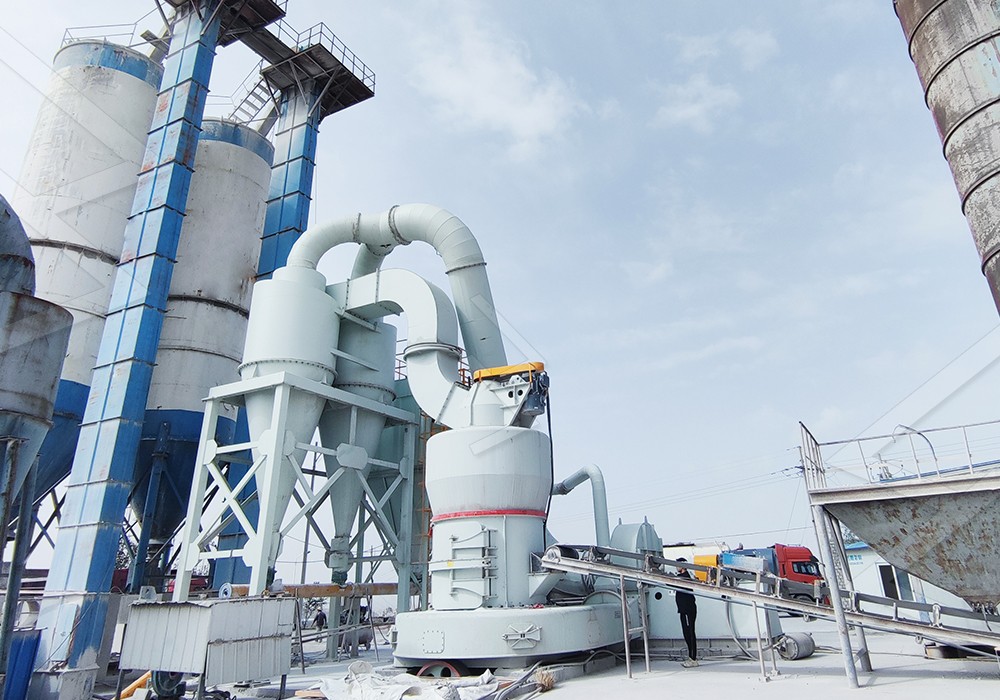
The oil station, or lubrication unit, is responsible for filtering, cooling, and delivering a continuous supply of clean oil to the grinding mill’s critical components. In a desulfurization plant, where the mill operates continuously to produce fine limestone powder (often 325-2500 meshes) for flue gas treatment, any interruption in lubrication can be devastating. The system typically includes pumps, filters, coolers, heaters (for cold starts), and a network of pipes and valves.
Key Maintenance Procedures
\n
1. Regular Oil Analysis and Changes
Do not wait for the oil to turn black. Implement a scheduled oil analysis program. Take regular samples and test for viscosity, water content, and the presence of metal particles. These particles are a tell-tale sign of internal wear. For mills operating in the demanding 0.5-25 tph capacity range, we recommend changing the oil and filters at least every 2,000 operating hours, or as specified by the oil manufacturer. Always use the exact grade of oil recommended by the mill manufacturer.
2. Filter Inspection and Replacement
Inspect suction and pressure filters regularly. A clogged filter will starve the system of oil, leading to overheating and bearing failure. Change filter elements during every oil change. Keep a log of filter pressure differentials; a rising differential pressure indicates the filter is loading up and needs attention.
3. Pump and Cooler Performance Checks
Listen for unusual noises from the oil pump, which could indicate cavitation or wear. Ensure the oil cooler is functioning correctly. Check that the cooling water lines are clear and that the oil temperature remains within the specified operating range (typically 40-50°C). High oil temperature reduces its lubricating properties and can cause thermal degradation.
4. Leak Detection and Sealing
Conduct weekly visual inspections of the entire oil station, including pumps, valves, pipes, and fittings. Look for any signs of leaks. Even a small, persistent leak can lead to a significant loss of oil over time and potential environmental issues. Replace worn seals and gaskets immediately.
Choosing the Right Equipment for Reliability
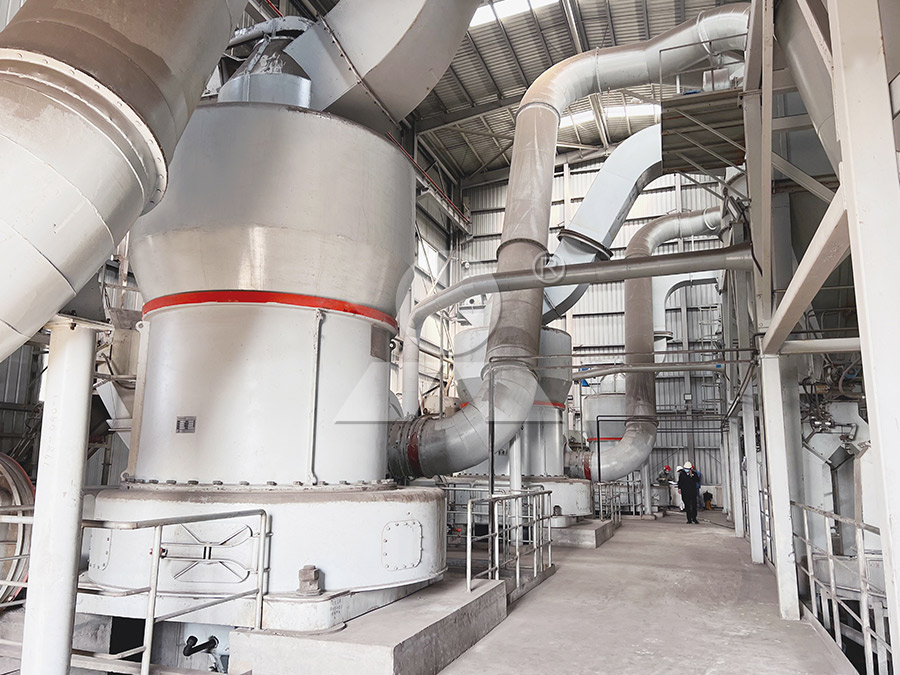
While maintenance is key, starting with a well-designed mill can drastically reduce lubrication-related headaches. For instance, our MW Ultrafine Grinding Mill is engineered with maintenance in mind. A significant feature is that it has no rolling bearings or screws inside the grinding chamber. This brilliant design eliminates the risk of bearing seizure or failure due to contamination within the grinding zone, a common failure point in other designs. Furthermore, its lubricating device is installed externally on the main shaft, allowing for external lubrication without shutdown. This means lubrication can be performed during 24/7 operation, maximizing uptime for critical power plant desulfurization processes.
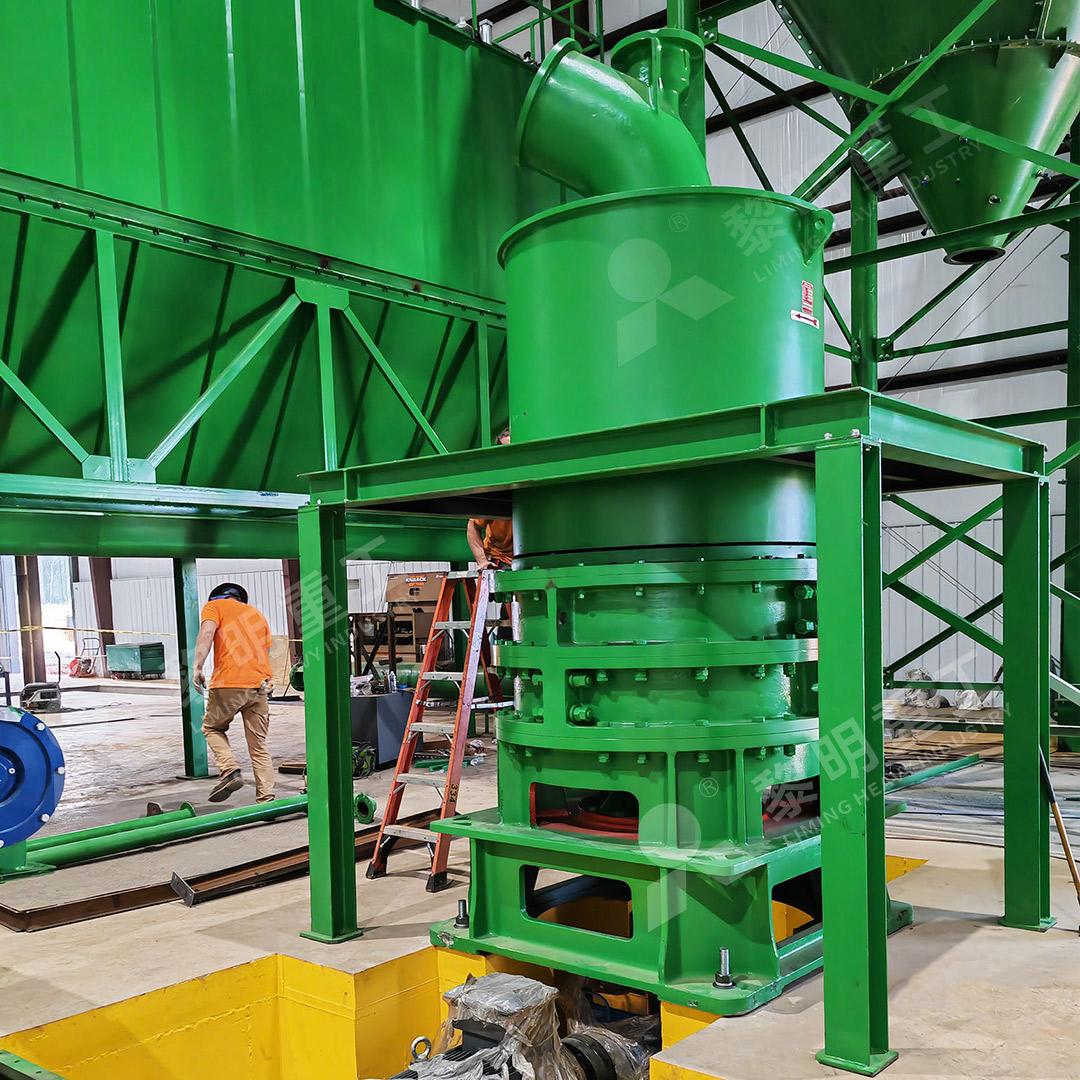
Another excellent option for high-volume processing is the LUM Ultrafine Vertical Grinding Mill. It incorporates a reversible structure that, combined with its hydraulic system, allows operators to easily swing the grinding roller out of the mill body for inspection and maintenance. This greatly simplifies access to key components, reducing the time and labor required for servicing the system surrounding the grinding zone.
Conclusion
A proactive and disciplined approach to oil station maintenance is non-negotiable for the longevity of your limestone grinding mill. By adhering to a strict schedule of oil analysis, filter changes, and system inspections, you can prevent the vast majority of lubrication-related failures. Investing in equipment designed for easy maintenance, like our MW or LUM series mills, further enhances reliability and ensures your power plant’s desulfurization system remains online and effective, contiuously meeting emission standards.