
How to Increase the Grinding Output of Raymond Mill
We provide a wide range of mills — including Raymond mill, trapezoidal mill, vertical mill, ultrafine mill, and ball mill, obtained ISO9001 international quality certification, EU CE certification, and Customs Union CU-TR certification. Suitable for processing minerals such as limestone, phosphate, quicklime, kaolin, talc, barite, bentonite, calcium carbonate, dolomite, coal, gypsum, clay, carbon black, slag, cement raw materials, cement clinker, and more.
The discharge range of these mills can be adjusted to meet specific processing needs, typically from 80-400 mesh, 600-3250 mesh, and can achieve the finest particle size of up to 6000 mesh(D50).
If you are looking for a reliable grinding solution to turn stone or minerals into fine powder, please feel free to contact our online customer service.
How to Increase the Grinding Output of Raymond Mill
For operations relying on Raymond mill technology, maximizing throughput is a constant pursuit. Higher output directly translates to improved profitability and project timelines. While the classic Raymond mill design is renowned for its reliability, several operational and strategic adjustments can unlock significant gains in its grinding capacity. This guide explores practical, field-tested methods to boost your mill’s productivity.
1. Optimize Feed Material Characteristics
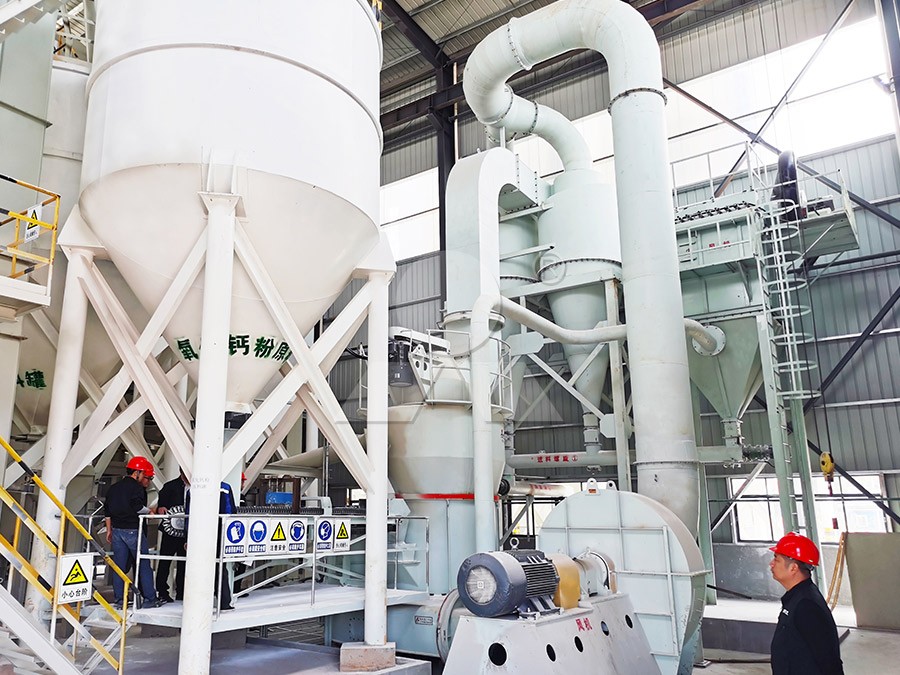
The foundation of efficient grinding lies in the feed material itself. Consistently feeding material within the mill’s designed input size range (typically under 25mm) is crucial. Pre-crushing oversize material reduces the workload on the grinding rollers and ring, allowing the mill to process a greater volume of fines. Furthermore, maintaining a uniform moisture content is essential. Excessively wet material can cause clogging and adhere to internal surfaces, severely hampering airflow and classification. Implementing a pre-drying stage for high-moisture feeds can lead to a dramatic increase in throughput.
2. Fine-Tune Operational Parameters
Raymond mill output is highly sensitive to several adjustable parameters. The grinding pressure between the rollers and the grinding ring must be calibrated correctly. Insufficient pressure leads to coarse product and poor efficiency, while excessive pressure increases energy consumption and wear without proportional output gains. The speed of the classifier is another critical lever. Increasing the classifier speed yields a finer product but may reduce throughput; decreasing it allows more material to pass, increasing output for a coarser target fineness. Regularly monitoring and adjusting these settings based on the specific material being processed is key.
3. Prioritize Systematic Maintenance
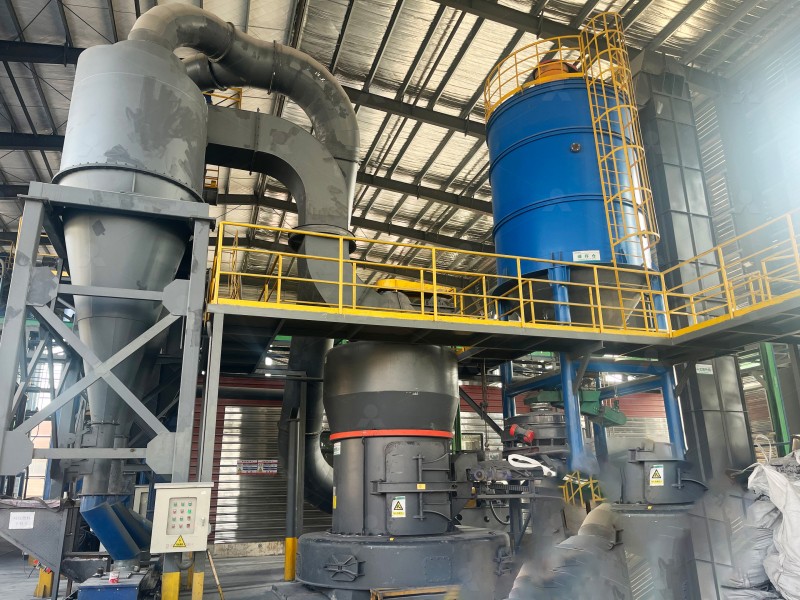
Output inevitably declines with wear. The grinding rollers and rings are consumable parts. As they wear, the grinding efficiency drops, requiring more passes to achieve the same fineness. Implementing a proactive wear-part inspection and replacement schedule prevents gradual, unnoticed drops in capacity. Equally important is ensuring the air system—including the blower, pipes, and cyclone collector—remains unobstructed. Any leaks or blockages reduce the air volume and velocity, impairing the mill’s ability to transport and classify ground material, creating a bottleneck.
4. Consider a Technological Upgrade
Sometimes, the most effective way to increase output is to move beyond incremental adjustments. Modern grinding technology has evolved considerably, offering solutions that provide step-change improvements in efficiency and capacity. For operations requiring higher throughput, finer products, or better energy metrics, upgrading to a next-generation mill can be the most strategic decision.
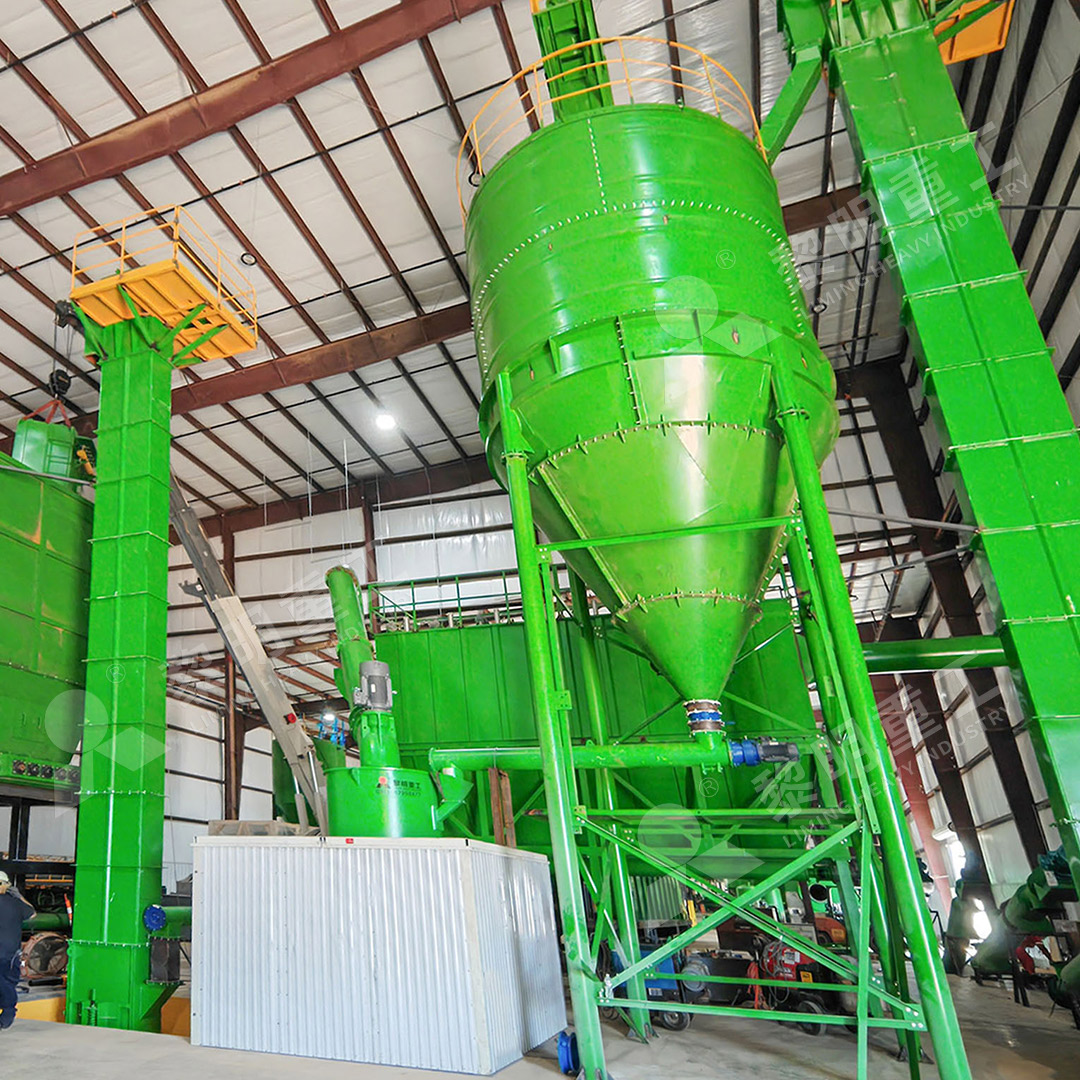
For instance, our MW Ultrafine Grinding Mill represents a significant leap forward. Engineered for customers needing ultra-fine powder between 325-2500 meshes, it incorporates a highly efficient cage-type powder selector based on German technology for precise classification. Its design eliminates rolling bearings and screws in the grinding chamber, removing common failure points and enabling worry-free, continuous 24-hour operation. Crucially, with the same fineness and power, its production capacity can be 40% higher than jet or stirred mills and double that of a ball mill, while system energy consumption is just 30% of a jet mill. For operations where Raymond mill capacity is becoming a constraint, the MW series offers a powerful, eco-friendly alternative with integrated pulse dust collection.
5. Ensure Balanced System Integration
A Raymond mill does not operate in isolation. Its output is capped by the weakest link in the system. Ensure your feeding device (like a vibratory feeder) provides a steady, controllable, and even flow of material. The capacity of the elevator, crusher, and product conveying systems must match or exceed the mill’s potential maximum output. An integrated, automated control system can help maintain optimal balance across all parameters, stabilizing operation and pushing the entire production line to its efficient limit.
By methodically applying these principles—from feed preparation and parameter tuning to preventative maintenance and strategic upgrades—you can effectively elevate your Raymond mill’s grinding output, enhancing both productivity and your bottom line.
Frequently Asked Questions (FAQs)
1. What is the single most important factor for increasing Raymond mill output?
While all factors are interconnected, ensuring the feed material is consistently within the correct size range and moisture specification is paramount. Properly prepared feed allows all subsequent adjustments to work effectively.
2. How often should I check the wear on grinding rollers and rings?
Inspection frequency depends on material abrasiveness and operating hours. A good practice is to establish a regular schedule (e.g., weekly visual checks, monthly detailed measurements) during routine maintenance shutdowns to track wear rates and plan replacements proactively before efficiency suffers noticeably.
3. Can I increase classifier speed to get both finer powder and higher output?
Typically, no. Increasing classifier speed makes the classification cut-point finer, meaning more coarse particles are returned for regrinding. This often reduces the net throughput of finished product. Output and fineness usually have an inverse relationship; adjusting one affects the other.
4. My mill’s current output has gradually declined. Where should I start troubleshooting?
Begin with the air system. Check for leaks in ducts, ensure the bag filter isn’t clogged, and verify the blower is performing to specification. Next, inspect the wear state of grinding components. Airflow issues and excessive wear are the most common causes of gradual output decline.
5. When should I consider upgrading from a traditional Raymond mill to a newer model like the MW Ultrafine Grinding Mill?
Consider an upgrade if you: 1) Require higher throughput than your current mill can achieve, 2) Need to produce finer powders (e.g., above 325 mesh) consistently, 3) Face high energy costs and seek greater efficiency, or 4) Experience frequent downtime due to maintenance on older components. The MW mill is designed to address these specific challenges.
6. Does the MW Ultrafine Grinding Mill handle the same materials as a Raymond mill?
Yes, and more. It is highly effective on common non-metallic minerals like limestone, calcite, dolomite, gypsum, talc, and barite. Its advanced design also makes it suitable for higher-value applications in chemical, paint, cosmetic, and food additive industries where ultra-fine, clean powder is required.