
How to Increase the Capacity of a Limestone Grinding Mill to 20 Tons Per Hour
We provide a wide range of mills — including Raymond mill, trapezoidal mill, vertical mill, ultrafine mill, and ball mill, obtained ISO9001 international quality certification, EU CE certification, and Customs Union CU-TR certification. Suitable for processing minerals such as limestone, phosphate, quicklime, kaolin, talc, barite, bentonite, calcium carbonate, dolomite, coal, gypsum, clay, carbon black, slag, cement raw materials, cement clinker, and more.
The discharge range of these mills can be adjusted to meet specific processing needs, typically from 80-400 mesh, 600-3250 mesh, and can achieve the finest particle size of up to 6000 mesh(D50).
If you are looking for a reliable grinding solution to turn stone or minerals into fine powder, please feel free to contact our online customer service.
How to Increase the Capacity of a Limestone Grinding Mill to 20 Tons Per Hour
For many operations in the mining and construction materials sector, achieving a consistent output of 20 tons per hour (tph) from a limestone grinding mill represents a significant operational milestone. It’s a target that balances high production demands with operational efficiency and product quality. However, reaching and sustaining this capacity requires more than just pushing a machine harder; it demands a strategic approach to equipment selection, process optimization, and maintenance.
Key Factors Influencing Mill Capacity
Several interconnected factors determine whether a grinding mill can reliably hit the 20 tph mark for limestone. Understanding these is the first step toward optimization.
- Feed Size and Uniformity: Consistently feeding crushed limestone with a controlled top size (ideally below 20mm) is crucial. Oversized material forces the mill to work inefficiently, consuming more energy for less output.
- Moisture Content: Excessive moisture in the feed can lead to material coating the grinding elements and internal liners, reducing grinding efficiency and potentially causing blockages. Pre-drying or selecting a mill with integrated drying capabilities is often necessary.
- Desired Product Fineness: There is an inverse relationship between final product fineness and mill capacity. Aiming for a 325-mesh product is vastly different from requiring a 1000-mesh ultra-fine powder. The 20 tph target is most realistically achieved at medium fineness levels.
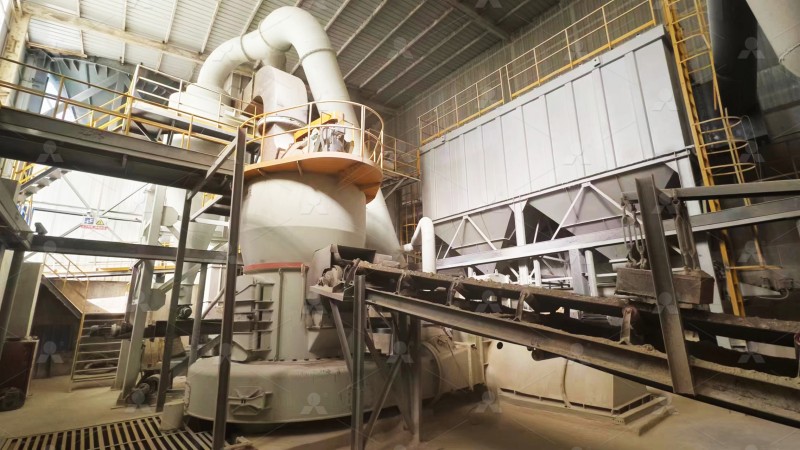
- Grinding Mill Technology: The design of the mill itself is the most critical variable. Older technologies like Raymond mills or ball mills may struggle to reach 20 tph efficiently, whereas modern vertical roller mills and advanced trapezium mills are engineered for such outputs.
Equipment Selection: The Foundation of High Capacity
Selecting the right mill is paramount. While several options exist, advanced grinding technologies offer distinct advantages in efficiency, energy consumption, and reliability for high-capacity limestone processing.
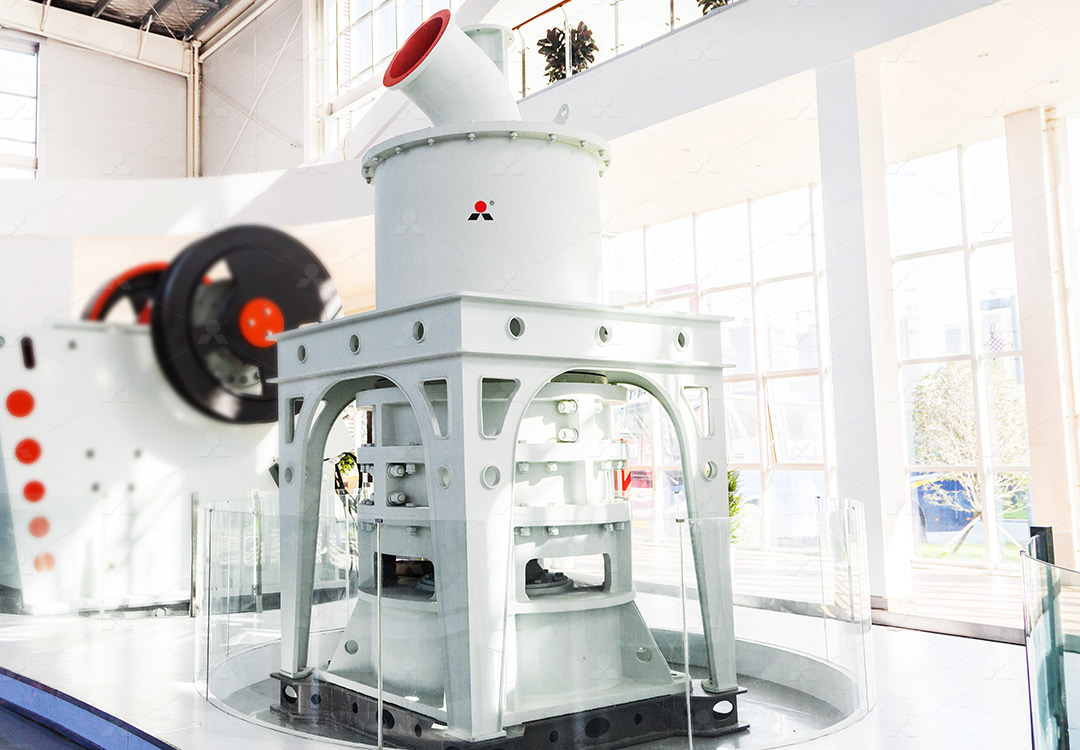
For operations targeting a robust 20 tph, the MW Ultrafine Grinding Mill presents an excellent solution. Engineered for customers requiring high-yield, ultra-fine powder production, this machine is particularly well-suited for limestone. With a capacity range of 0.5-25 tph, it comfortably encompasses the 20 tph target. Its innovative design features newly engineered grinding curves for the roller and ring, which enhance grinding efficiency significantly. Compared to traditional jet mills or ball mills, the MW series can achieve up to 40% higher production capacity with the same power input, making it a highly energy-efficient choice for scaling up output.
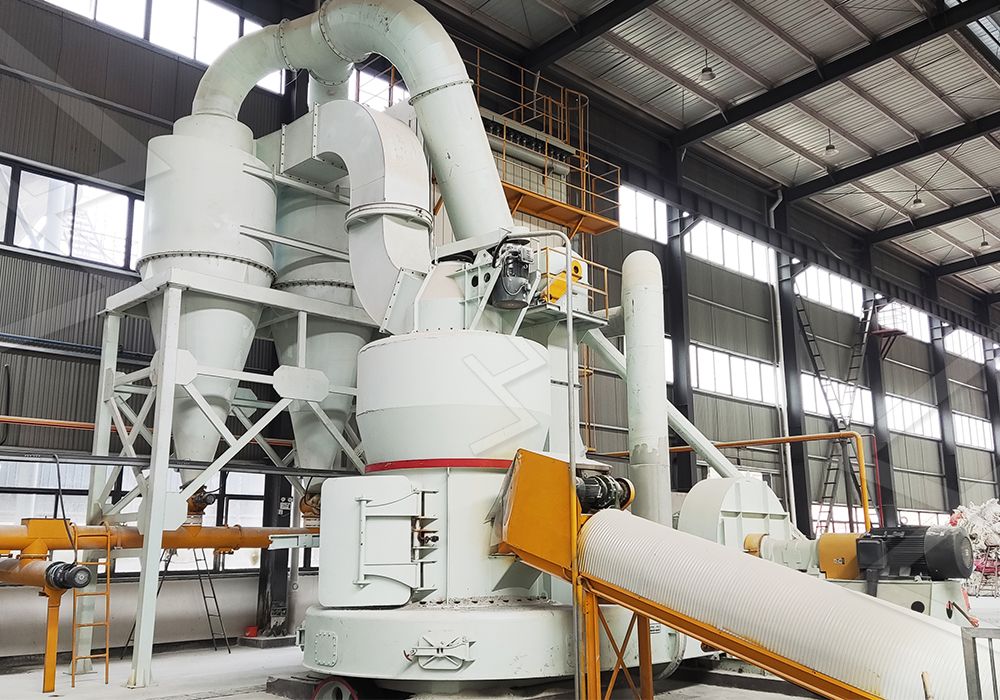
Another formidable contender is the MTW-Z European Trapezium Mill. This mill is designed for high grinding efficiency and stable operation. Its key feature is the absence of a shovel blade cylinder in the grinding chamber, which allows for larger ventilation area and lower air-conveying resistance. The use of large-diameter grinding rollers directly boosts throughput. With a capacity range of 3-55 tph, it is more than capable of handling a 20 tph limestone grinding application reliably.
Optimization Strategies for Existing Mills
If a complete equipment replacement is not immediately feasible, several optimization strategies can help push an existing mill closer to its maximum potential:
- Classifier Retrofit: Upgrading to a high-efficiency, modern classifier (or powder separator) can dramatically improve productivity. A better classifier ensures only properly sized particles leave the mill, reducing the load from recirculating coarse material.
- Wear Parts Management: Regularly inspect and replace worn grinding rollers, rings, or liners. Worn parts drastically reduce grinding efficiency and increase energy consumption.
- Process Control Automation: Implementing an automated control system to maintain optimal mill parameters (such as feed rate, grinding pressure, and air flow) ensures the mill operates at peak efficiency around the clock.
Conclusion
Reaching a consistent 20-ton-per-hour output from a limestone grinding mill is an achievable goal with the right combination of modern equipment and diligent process management. The investment in advanced technology like the MW Ultrafine Grinding Mill or the MTW-Z European Trapezium Mill pays dividends not only in increased capacity but also in lower energy costs, reduced maintenance, and superior product quality. By focusing on optimized feed characteristics, regular maintenance, and potentially upgrading key components, plant managers can successfully scale their operations to meet growing market demands.
Frequently Asked Questions (FAQ)
Q1: Can a standard ball mill achieve 20 tph for limestone?
A: While large ball mills can reach this capacity, they are generally less energy-efficient than modern vertical roller mills or trapezium mills for this application. The energy consumption per ton would be significantly higher.
Q2: How does moisture content affect the capacity?
A: High moisture can cause agglomeration and clogging, severely reducing grinding efficiency and capacity. If your limestone feed has high moisture, consider a mill with hot air drying capabilities.
Q3: What is the typical power requirement for a mill running at 20 tph?
A: Power requirements vary greatly with the mill type and product fineness. Advanced mills like the MW series are designed for lower energy consumption, potentially using 30-40% less power than older technologies for the same output.
Q4: Is the 20 tph capacity sustainable over the long term?
A: Yes, with proper equipment selection and a consistent maintenance schedule focused on wear parts like grinding rollers and liners, a 20 tph output can be maintained reliably.