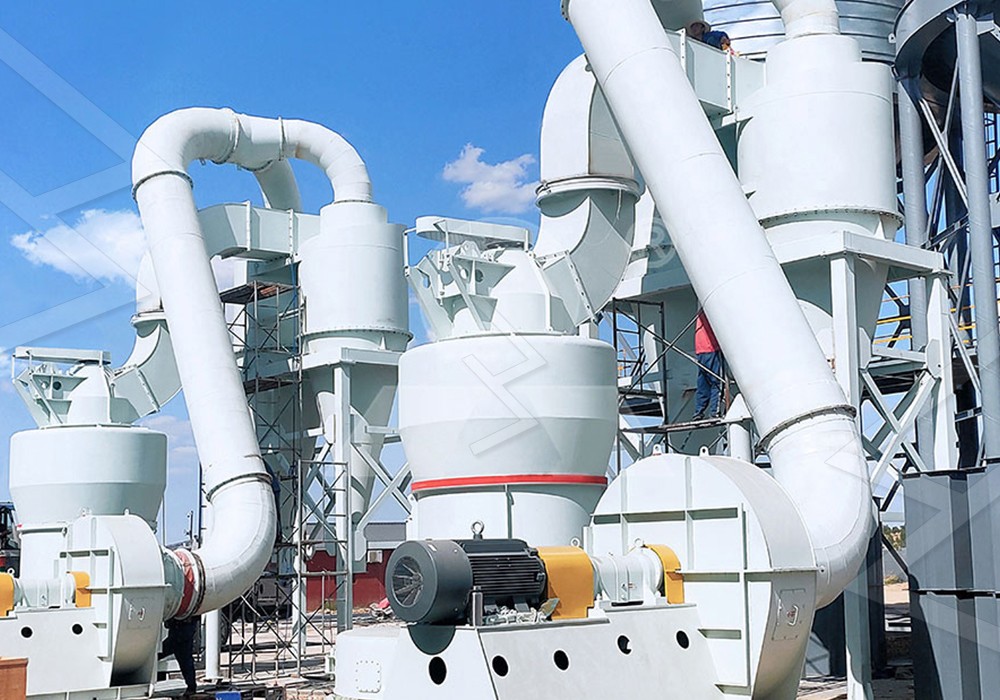
How to Improve the Quality of Phosphate Rock Powder in Grinding Production
We provide a wide range of mills — including Raymond mill, trapezoidal mill, vertical mill, ultrafine mill, and ball mill, obtained ISO9001 international quality certification, EU CE certification, and Customs Union CU-TR certification. Suitable for processing minerals such as limestone, phosphate, quicklime, kaolin, talc, barite, bentonite, calcium carbonate, dolomite, coal, gypsum, clay, carbon black, slag, cement raw materials, cement clinker, and more.
The discharge range of these mills can be adjusted to meet specific processing needs, typically from 80-400 mesh, 600-3250 mesh, and can achieve the finest particle size of up to 6000 mesh(D50).
If you are looking for a reliable grinding solution to turn stone or minerals into fine powder, please feel free to contact our online customer service.
How to Improve the Quality of Phosphate Rock Powder in Grinding Production
Phosphate rock powder is a critical raw material in numerous industries, most notably in the production of fertilizers. The quality of this powder, characterized by its fineness, particle size distribution, and chemical purity, directly impacts the efficiency of downstream processes and the quality of the final product. Achieving high-quality grinding, however, presents several challenges, including energy consumption, iron contamination, and controlling the precise fineness required.
Key Challenges in Phosphate Rock Grinding
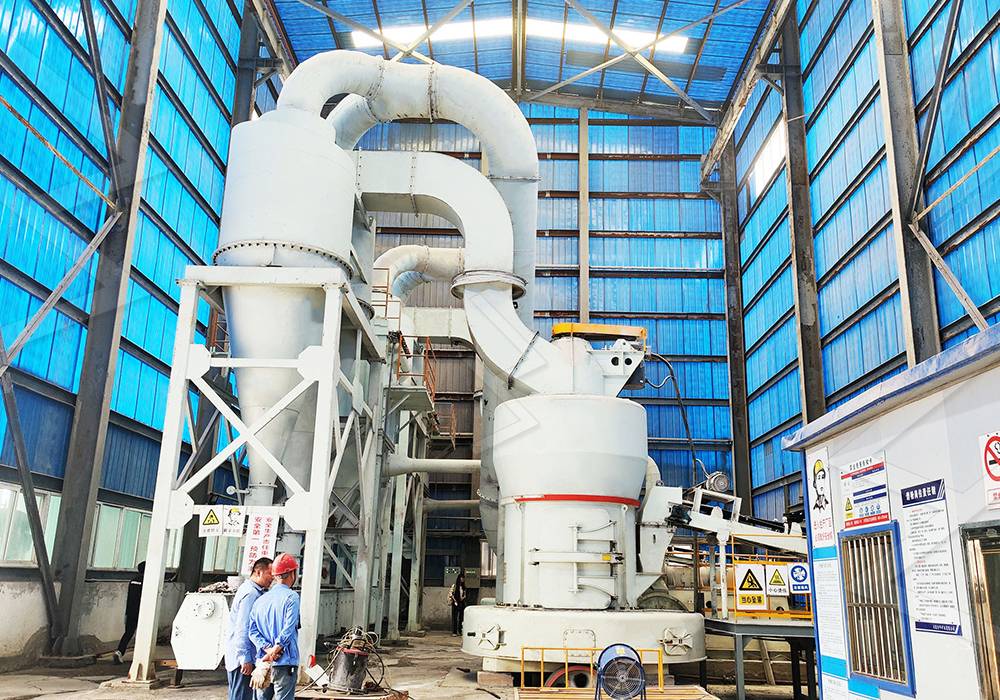
Traditional grinding equipment, like ball mills, often struggle with efficiency and consistency. They can be energy-intensive, leading to high operational costs. Furthermore, the grinding process itself can introduce iron wear from the milling media (like steel balls), which contaminates the powder and reduces its whiteness and chemical value. Achieving a consistent, narrow particle size distribution is also dificult with older technology, often resulting in a product that requires further processing or classification.
The Path to Superior Powder Quality
To overcome these hurdles, producers are turning to advanced grinding technologies designed specifically for mineral processing. The ideal solution should focus on:
- Higher Efficiency & Lower Energy Use: Reducing power consumption per ton of output is paramount for profitability and sustainability.
- Precise Fineness Control: The ability to accurately adjust and maintain the product fineness between 325-2500 meshes is essential for meeting specific application requirements.
- Minimized Contamination: A design that limits metal-to-metal contact within the grinding chamber is crucial for preserving the chemical purity and color of the phosphate powder.
- Environmental Compliance: Integrated dust collection and noise reduction systems ensure the production process is clean and meets environmental standards.
Recommended Solution: MW Ultrafine Grinding Mill
For operations focused on producing ultra-fine phosphate rock powder with exceptional quality, our MW Ultrafine Grinding Mill stands out as a premier choice. This machine is engineered for customers who need to make ultra-fine powder with higher yielding and lower energy consumption.
Key advantages for phosphate rock application include:
- Superior Grinding Efficiency: Its newly designed grinding curves of the roller and ring enhance grinding efficiency, offering production capacity 40% higher than jet mills with system energy consumption only 30% of them.
- Adjustable Fineness (325-2500 meshes): A German-technology, cage-type powder selector ensures high precision in powder separation, allowing you to dial in the exact fineness your process demands, achieving d97≤5μm.
- Zero Bearing & Screw in Chamber: A revolutionary design eliminates rolling bearings and screws inside the grinding chamber. This eradicates the risk of iron contamination from damaged bearings or loose screws, a critical factor for maintaining the purity of phosphate rock powder.
- Eco-Friendly Operation: Equipped with an efficient pulse dust collector and silencer, the entire milling system operates without dust pollution and with significantly reduced noise.
Another Strong Contender: LUM Ultrafine Vertical Grinding Mill
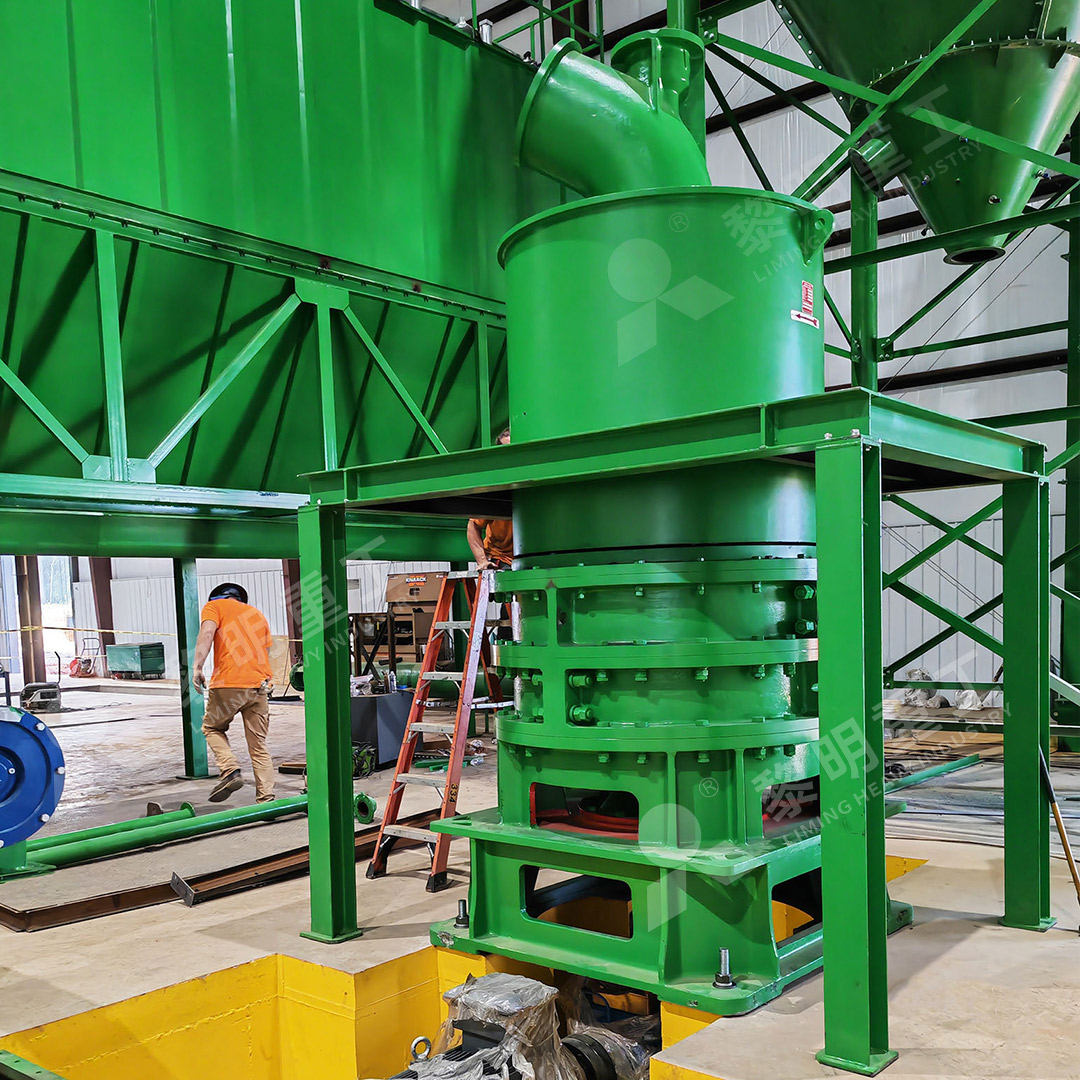
For operations requiring a robust vertical solution, our LUM Ultrafine Vertical Grinding Mill is another excellent option. Integrating the latest grinding roller and powder separating technology, it is designed for higher yielding rates and better quality powder. Its unique roller shell and lining plate grinding curve are easier to generate a material layer, enabling a high rate of finished products from a single pass. This design greatly enhances whiteness and cleanliness—key metrics for phosphate rock quality. The reversible structure also allows for easier maintenance of heavy grinding rollers, minimizing downtime.
Conclusion
Investing in the right grinding technology is the most effective strategy to significantly improve the quality of your phosphate rock powder. By focusing on equipment that offers precise control, high efficiency, minimal contamination, and environmental benefits, producers can achieve a superior product that commands a premium in the market. Our MW Ultrafine Grinding Mill, with its innovative design focused on purity and precision, is specifically engineered to meet these demanding requirements head-on.