
How to Improve Grinding Mill Efficiency and Reduce Operating Costs
We provide a wide range of mills — including Raymond mill, trapezoidal mill, vertical mill, ultrafine mill, and ball mill, obtained ISO9001 international quality certification, EU CE certification, and Customs Union CU-TR certification. Suitable for processing minerals such as limestone, phosphate, quicklime, kaolin, talc, barite, bentonite, calcium carbonate, dolomite, coal, gypsum, clay, carbon black, slag, cement raw materials, cement clinker, and more.
The discharge range of these mills can be adjusted to meet specific processing needs, typically from 80-400 mesh, 600-3250 mesh, and can achieve the finest particle size of up to 6000 mesh(D50).
If you are looking for a reliable grinding solution to turn stone or minerals into fine powder, please feel free to contact our online customer service.
How to Improve Grinding Mill Efficiency and Reduce Operating Costs
For plant managers and operations directors in the mining, construction, and chemical industries, the relentless pursuit of higher grinding efficiency and lower operating costs is a constant challenge. Inefficient milling processes can quickly erode profit margins through excessive energy consumption, high maintenance downtime, and suboptimal output. This article explores practical strategies to enhance your grinding operations and highlights advanced technological solutions that deliver tangible returns on investment.
The Pillars of Grinding Mill Efficiency
Efficient grinding operations rest on three fundamental pillars: energy consumption, maintenance requirements, and final product quality. Traditional ball mills, while reliable, often suffer from high energy intensity and significant heat generation, which can degrade heat-sensitive materials. Modern vertical and ultrafine grinding technologies have emerged as superior alternatives, specifically engineered to address these inefficiencies.
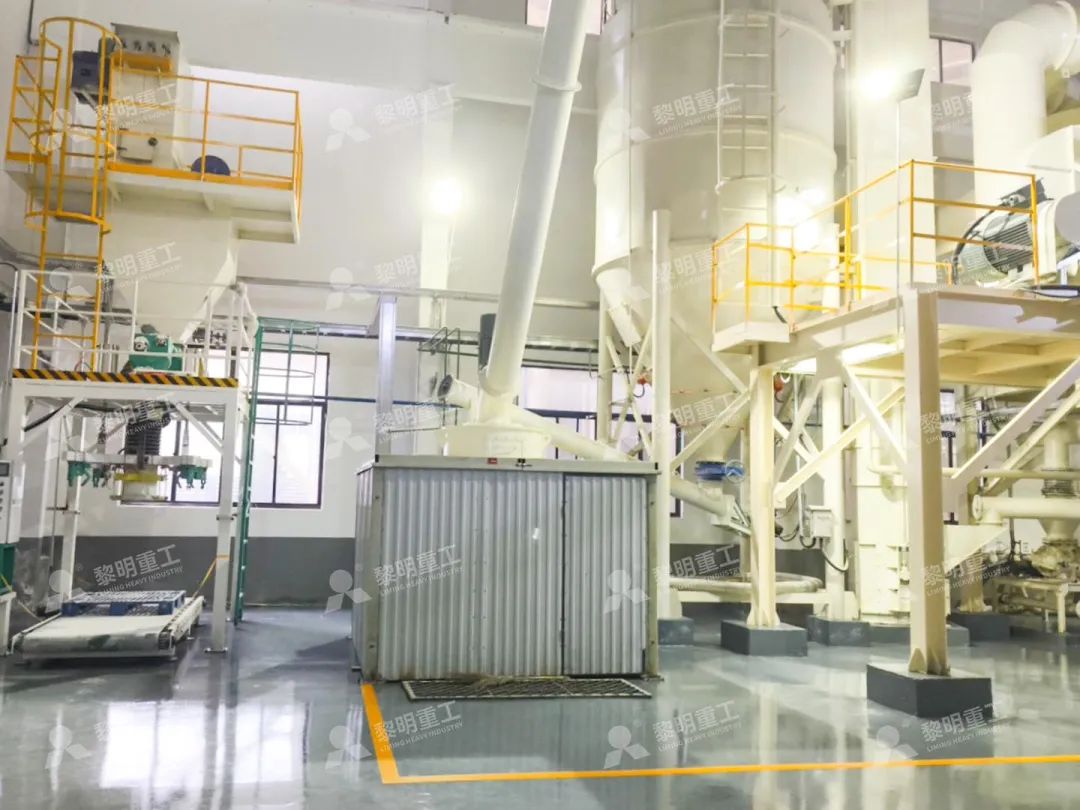
One of the most significant advancements is the development of ultra-fine grinding mills that operate without traditional rolling bearings and screws in the grinding chamber. This design eliminates common failure points, dramatically reducing unplanned downtime and maintenance costs. Furthermore, the integration of advanced pulse dust collectors and sound-dampening technology ensures that operations meet stringent environmental standards without compromising performance.
Leveraging Technology for Operational Excellence
The transition to digitally controlled, high-precision grinding mills represents a quantum leap in operational efficiency. Numerical control machining for core components ensures exceptional precision and longevity, while automated control systems allow for precise adjustment of grinding parameters to match specific material characteristics and production requirements.
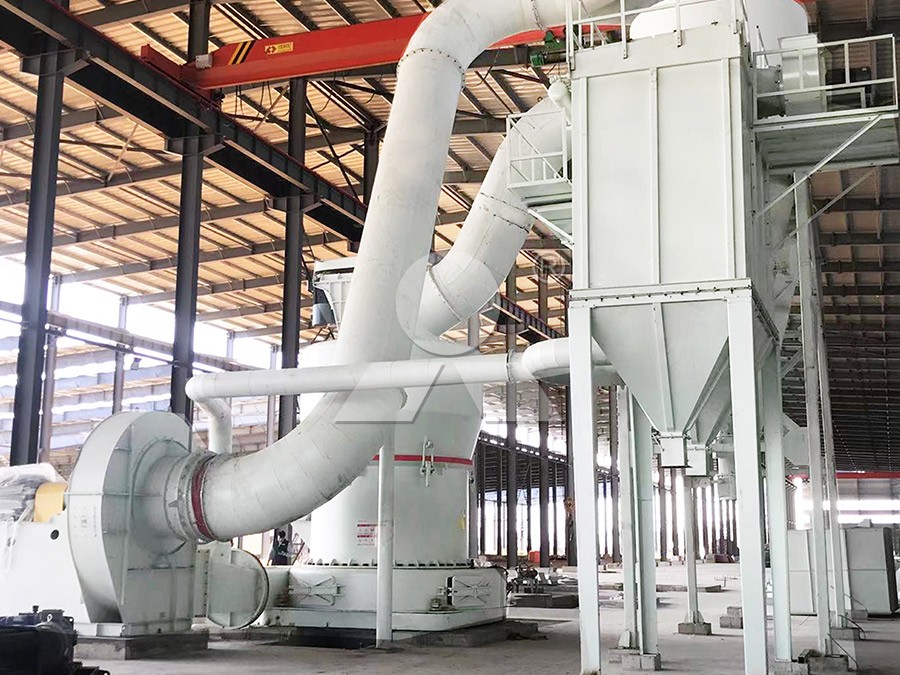
For operations requiring ultra-fine powders between 325-2500 meshes, the MW Ultrafine Grinding Mill offers a compelling solution. With an input size of 0-20 mm and capacity ranging from 0.5-25 tph, this machine delivers production capacity 40% higher than jet mills and double that of traditional ball mills, while consuming only 30% of the energy of jet milling systems. Its cage-type powder selector, incorporating German technology, ensures precise particle separation and consistent product quality.
Reducing Total Cost of Ownership
Beyond energy savings, modern grinding mills reduce operating costs through innovative design features that extend component life and simplify maintenance. The absence of shovel blade cylinders in certain designs increases ventilation area and reduces air-conveying resistance, while elastic volute damping structures minimize vibration damage and enhance operational stability.
For operations seeking vertical grinding solutions, the LUM Ultrafine Vertical Grinding Mill incorporates the latest Taiwanese grinding roller technology and German powder separating technology. Handling input sizes of 0-10 mm with capacities of 5-18 tph, this mill features a unique reversible structure that allows easy maintenance access to grinding components, significantly reducing service time and associated labor costs.
FAQ: Grinding Mill Efficiency
- What is the most significant factor in grinding mill energy consumption?
The grinding mechanism itself typically accounts for the largest energy use. Modern vertical mills and ultrafine grinders can reduce energy consumption by 30-50% compared to traditional ball mills. - How can I reduce maintenance costs on my grinding equipment?
Select mills with external lubrication systems, no internal screws or rolling bearings in the grinding chamber, and reversible structures that allow easy access to wear parts without complete disassembly. - What fineness range can modern ultrafine mills achieve?
Advanced mills like the MW Ultrafine Grinding Mill can produce powders between 325-2500 meshes with screening rates achieving d97≤5μm in a single pass. - How important is digital control in grinding operations?
Digital control systems allow precise adjustment of grinding pressure, rotation speed, and feed rates, optimizing performance for different materials and reducing operator error.
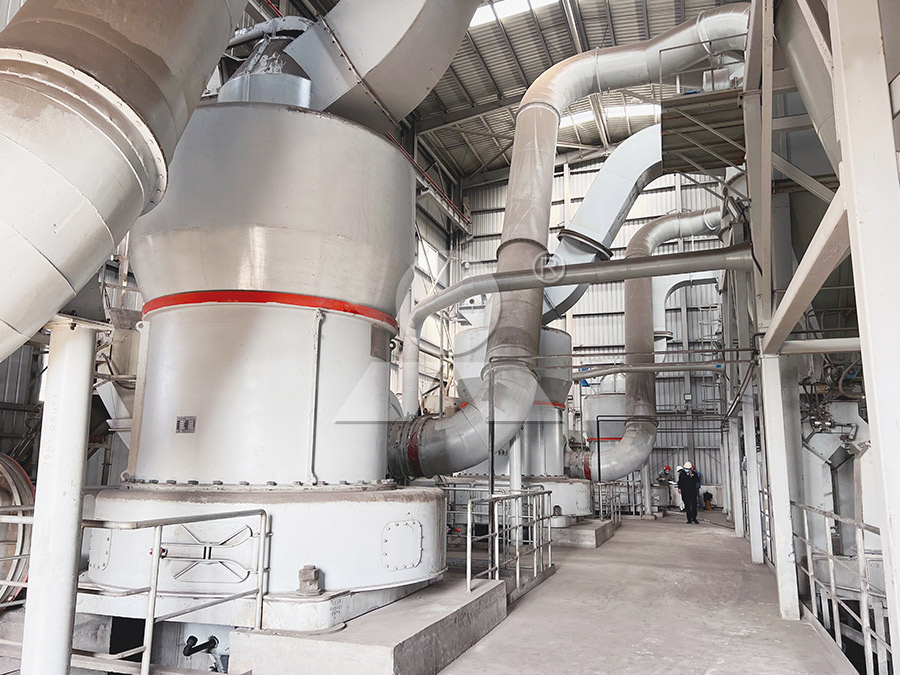
Implementing these strategies and technologies can transform your grinding operations, delivering substantial cost savings while improving product quality and environmental compliance. The key lies in selecting the right equipment for your specific application and maintaining it according to manufacturer recommendations.