
How to Grind Steel Slag from Steel Mill Waste for Reuse
We provide a wide range of mills — including Raymond mill, trapezoidal mill, vertical mill, ultrafine mill, and ball mill, obtained ISO9001 international quality certification, EU CE certification, and Customs Union CU-TR certification. Suitable for processing minerals such as limestone, phosphate, quicklime, kaolin, talc, barite, bentonite, calcium carbonate, dolomite, coal, gypsum, clay, carbon black, slag, cement raw materials, cement clinker, and more.
The discharge range of these mills can be adjusted to meet specific processing needs, typically from 80-400 mesh, 600-3250 mesh, and can achieve the finest particle size of up to 6000 mesh(D50).
If you are looking for a reliable grinding solution to turn stone or minerals into fine powder, please feel free to contact our online customer service.
Turning Waste into Worth: The Art of Steel Slag Grinding
The steel industry generates enormous amounts of slag, a stony by-product that has long been considered a waste material. However, with the right processing techniques, this industrial byproduct can be transformed into a valuable resource for construction, cement production, and various other applications. The key lies in efficient grinding technology that can process this hard, abrasive material into fine powders suitable for reuse.
Understanding Steel Slag Composition
Steel slag is a complex material primarily composed of calcium, iron, silicon, magnesium, and aluminum oxides. Its hardness typically ranges between 6-8 on the Mohs scale, making it particularly challenging to grind. Traditional grinding equipment often struggles with its abrasive nature, leading to excessive wear and high maintenance costs.
The Grinding Process: From Waste to Resource
The transformation of steel slag into reusable powder involves several critical steps. First, the slag must be pre-crushed to reduce particle size before entering the grinding system. Proper drying is often necessary to reduce moisture content, which can significantly impact grinding efficiency. The actual grinding process must achieve the desired fineness while managing the material’s abrasive characteristics.
Specialized Equipment for Slag Grinding
Not all grinding mills are created equal when it comes to processing steel slag. The equipment must withstand abrasive wear while delivering consistent particle size distribution. This is where specialized grinding technology makes all the difference.
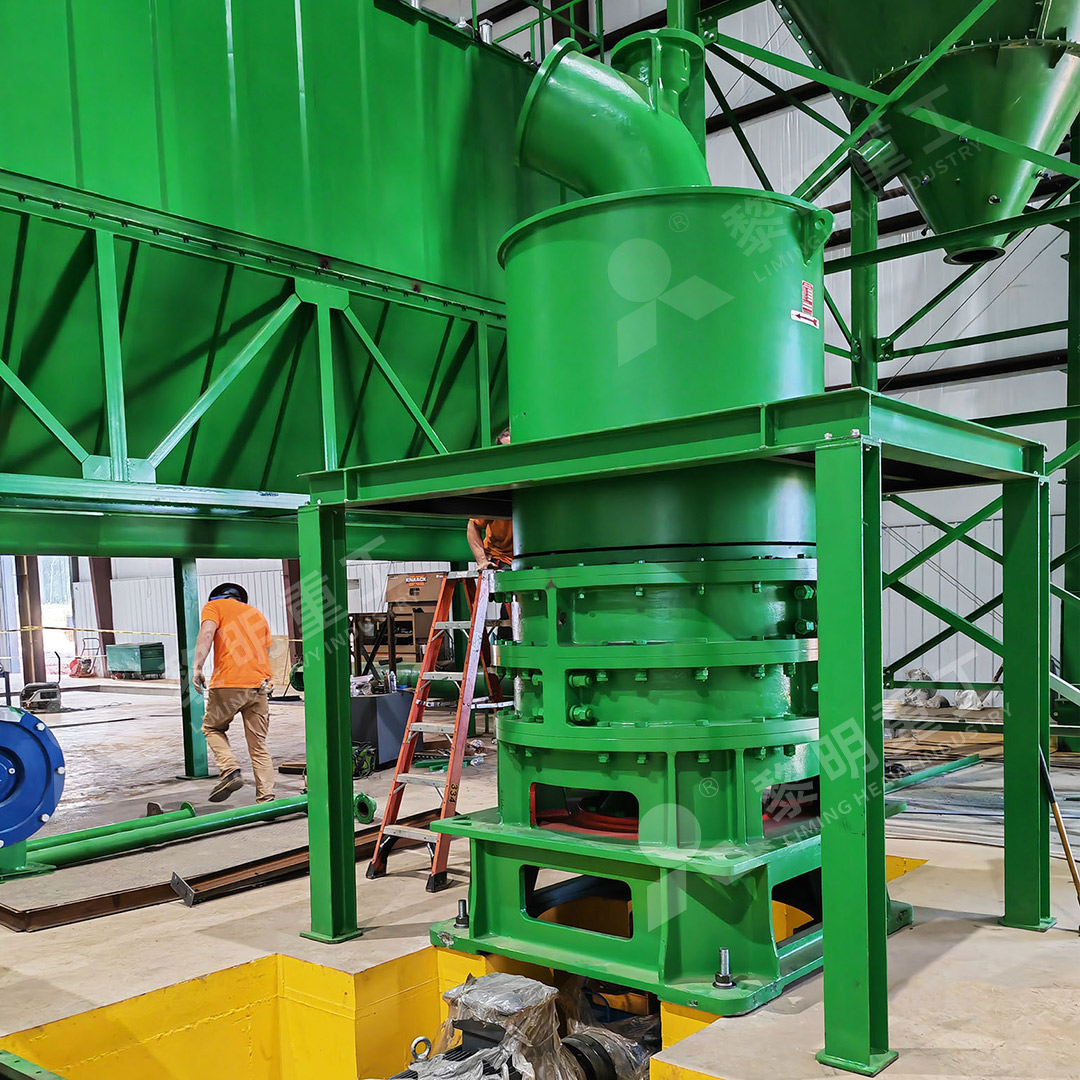
For operations requiring ultra-fine powders, our MW Ultrafine Grinding Mill offers exceptional performance with steel slag. With an input size capacity of 0-20 mm and throughput ranging from 0.5-25 tph, this machine is specifically engineered for challenging materials like steel slag. Its innovative design features higher yielding at lower energy consumption – achieving 40% higher capacity than jet mills and twice the output of ball mills while using only 30% of the energy of jet grinding systems.
Key Advantages for Steel Slag Applications
The MW Ultrafine Grinding Mill addresses the specific challenges of steel slag processing through several innovative features. The absence of rolling bearings and screws in the grinding chamber eliminates concerns about bearing damage or loose screws causing machine failure – a critical advantage when processing abrasive materials. The external lubrication system allows for maintenance without shutdown, enabling continuous 24/7 operation that maximizes productivity.
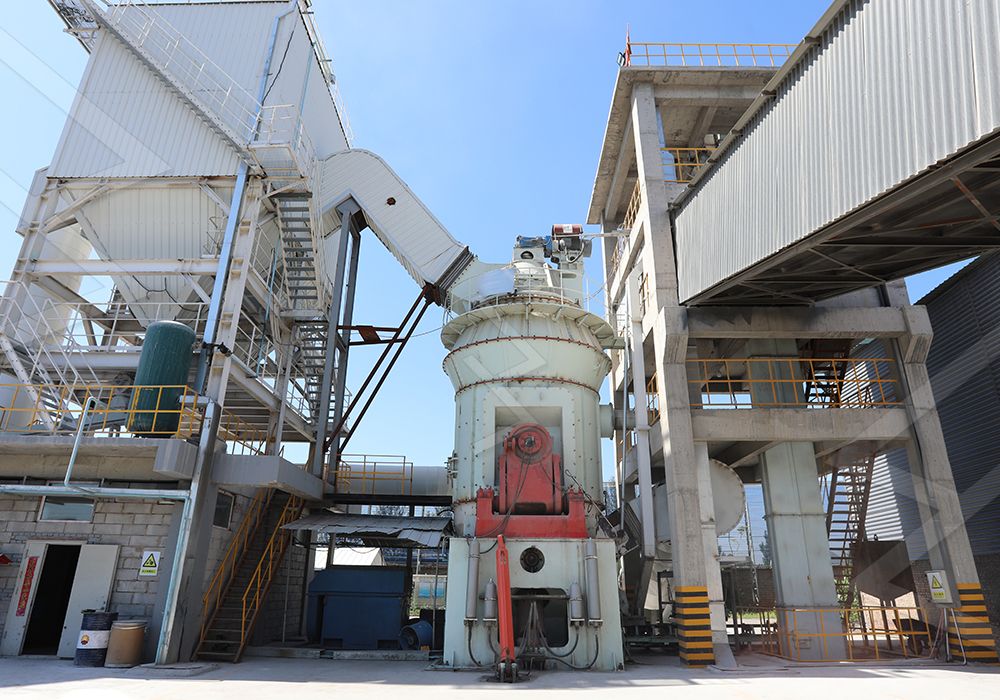
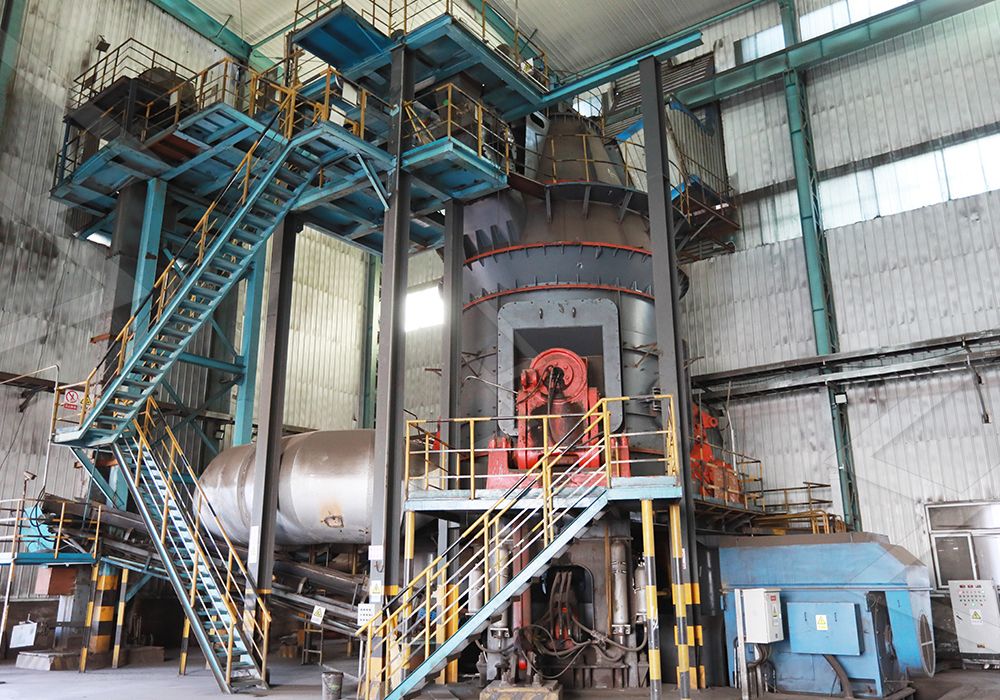
For operations requiring even higher capacity, our LM Vertical Slag Mill represents another excellent option specifically designed for industrial waste grinding. With capacity ranging from 7-100 t/h and handling input sizes of 38-65 mm, this system integrates drying, grinding, powder selection and conveying in a single compact unit. Its vertical structure reduces footprint by approximately 50% compared to ball mill systems while cutting energy consumption by 30-40%.
Environmental Considerations
Modern grinding systems must address environmental concerns alongside processing efficiency. The MW Ultrafine Grinding Mill incorporates efficient pulse dust collection and noise reduction technology, ensuring the entire production process meets national environmental protection standards. The closed system prevents dust pollution while silencers and noise elimination rooms minimize acoustic impact.
Applications of Ground Steel Slag
Properly processed steel slag finds applications in numerous industries. In construction, it serves as a partial replacement for cement in concrete, enhancing strength and durability while reducing material costs. The agricultural sector uses fine slag powder as a soil amendment to improve pH balance and provide essential minerals. Additional applications include use as aggregate in asphalt concrete, railroad ballast, and even as a raw material in glass manufacturing.
Conclusion
The transformation of steel slag from waste product to valuable resource represents both an economic opportunity and an environmental imperative. With advanced grinding technology like our MW Ultrafine Grinding Mill and LM Vertical Slag Mill, steel mills can effectively process their byproducts into marketable materials, creating new revenue streams while reducing their environmental footprint. The key lies in selecting the right equipment specifically engineered to handle the unique challenges presented by steel slag’s abrasive nature and variable composition.