
How to Finely Process Carbide Slag for Efficient Calcium Carbide Grinding Projects
We provide a wide range of mills — including Raymond mill, trapezoidal mill, vertical mill, ultrafine mill, and ball mill, obtained ISO9001 international quality certification, EU CE certification, and Customs Union CU-TR certification. Suitable for processing minerals such as limestone, phosphate, quicklime, kaolin, talc, barite, bentonite, calcium carbonate, dolomite, coal, gypsum, clay, carbon black, slag, cement raw materials, cement clinker, and more.
The discharge range of these mills can be adjusted to meet specific processing needs, typically from 80-400 mesh, 600-3250 mesh, and can achieve the finest particle size of up to 6000 mesh(D50).
If you are looking for a reliable grinding solution to turn stone or minerals into fine powder, please feel free to contact our online customer service.
How to Finely Process Carbide Slag for Efficient Calcium Carbide Grinding Projects
As an industrial grinding mill manufacturer, we understand the importance of efficiently processing carbide slag for calcium carbide grinding projects. Carbide slag, a byproduct of acetylene gas production, contains valuable calcium compounds that can be repurposed in various industrial applications. However, to maximize its utility, it must be finely processed and ground to the desired particle size. In this article, we will explore the steps and equipment necessary for the effective fine processing of carbide slag.
Understanding Carbide Slag
Carbide slag is primarily composed of calcium hydroxide (Ca(OH)₂), which is produced when calcium carbide (CaC₂) reacts with water to generate acetylene gas. This byproduct is often considered waste, but with proper processing, it can be transformed into a valuable resource for industries such as construction, agriculture, and chemical manufacturing.
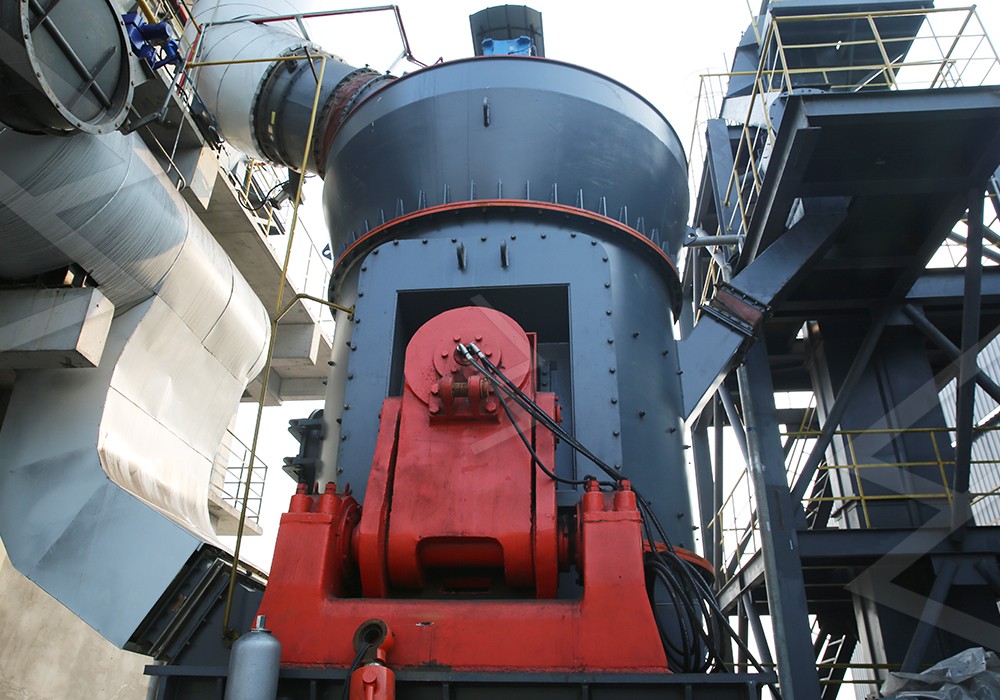
Steps for Fine Processing of Carbide Slag
1. Collection and Pre-treatment
The first step in processing carbide slag is its collection from acetylene production facilities. The slag is typically in a wet, slurry form and needs to be dewatered to reduce its moisture content. This can be achieved through sedimentation, filtration, or centrifugation. Reducing moisture is crucial for efficient grinding and handling.
2. Drying
After dewatering, the carbide slag may still contain significant moisture. Drying is essential to prepare the material for grinding. Rotary dryers or flash dryers are commonly used for this purpose. The goal is to achieve a moisture content that is optimal for grinding, typically below 5%.
3. Crushing
Before fine grinding, the dried carbide slag may need to be crushed into smaller, more manageable pieces. Jaw crushers or hammer mills can be used for initial size reduction. This step ensures that the material is of a consistent size before it enters the grinding mill.
4. Fine Grinding
The core of the processing is fine grinding. For carbide slag, which is relatively soft and abrasive, selecting the right grinding equipment is critical. For ultra-fine processing requirements (325-2500 meshes), we highly recommend our MW Ultrafine Grinding Mill.
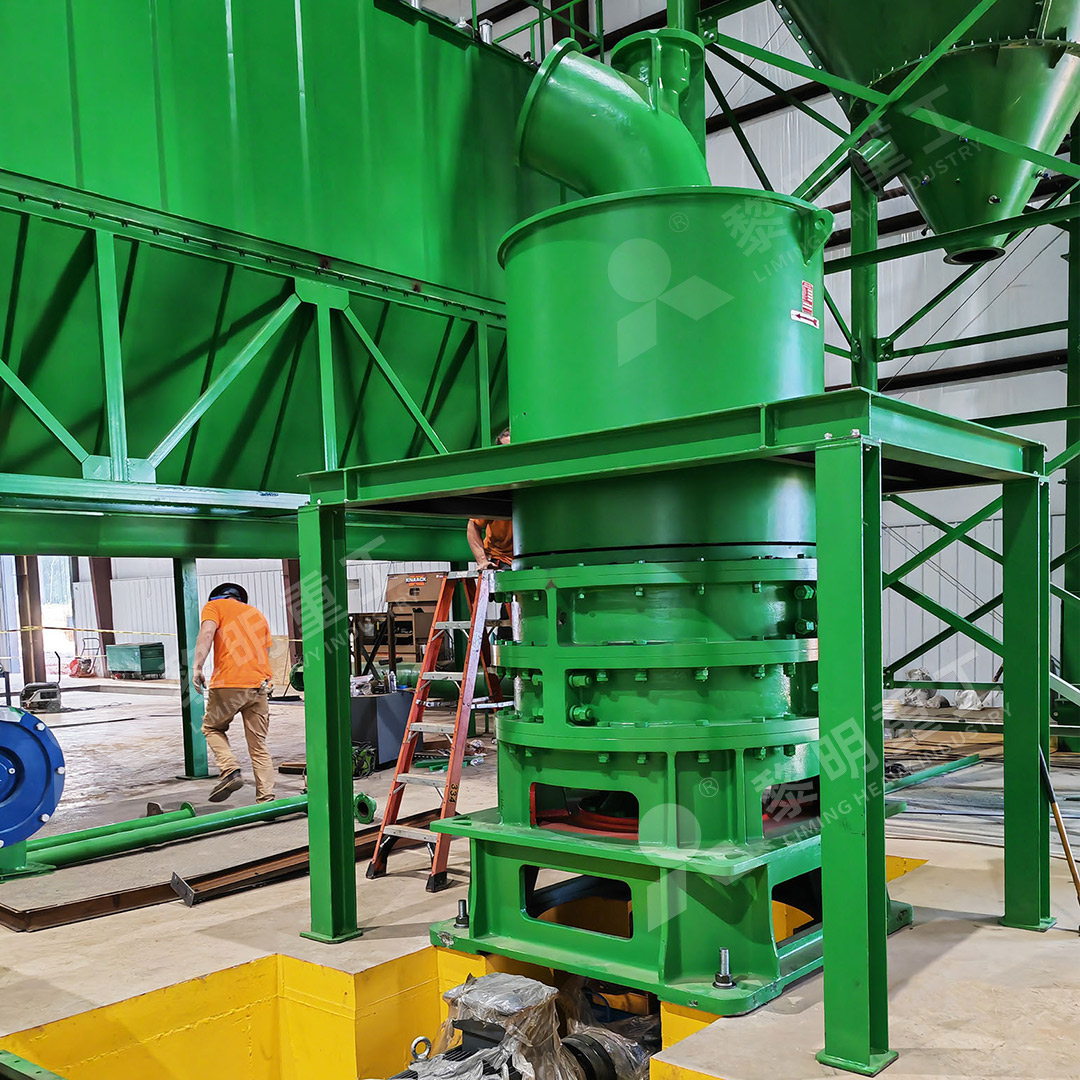
The MW Ultrafine Grinding Mill is specifically designed for customers who need to make ultra-fine powder. With an input size of 0-20 mm and capacity of 0.5-25 tph, it’s perfectly suited for carbide slag processing. Its cage-type powder selector adopts German technologies, which effectively increases the precision of powder separation, allowing the product fineness to be adjusted between 325-2500 meshes.
5. Classification
After grinding, the powdered carbide slag needs to be classified to ensure it meets the desired particle size distribution. Air classifiers are often used to separate fine particles from coarse ones, allowing for precise control over the final product’s fineness.
6. Packaging and Storage
The finely ground carbide slag should be packaged in moisture-proof bags to prevent rehydration. Proper storage conditions are essential to maintain the quality of the product until it is used in downstream applications.
Applications of Processed Carbide Slag
Finely ground carbide slag has several industrial applications:
- Construction: Used as a raw material in cement production, replacing limestone.
- Agriculture: Acts as a soil conditioner to neutralize acidic soils.
- Chemical Industry: Serves as a source of calcium in various chemical processes.
- Environmental: Used in flue gas desulfurization to reduce sulfur emissions.
Choosing the Right Grinding Equipment
Selecting the appropriate grinding mill is crucial for the efficient processing of carbide slag. For projects requiring ultra-fine powder production, our MW Ultrafine Grinding Mill offers significant advantages:
- Higher Yielding, Lower Energy Consumption: Production capacity is 40% higher than jet grinding mills with system energy consumption only 30% of jet grinding mills
- Adjustable Fineness: Precisely control product fineness between 325-2500 meshes
- Maintenance-Friendly Design: No rolling bearing or screw in grinding chamber eliminates common failure points
- Eco-Friendly Operation: Efficient pulse dust collector ensures no dust pollution during operation
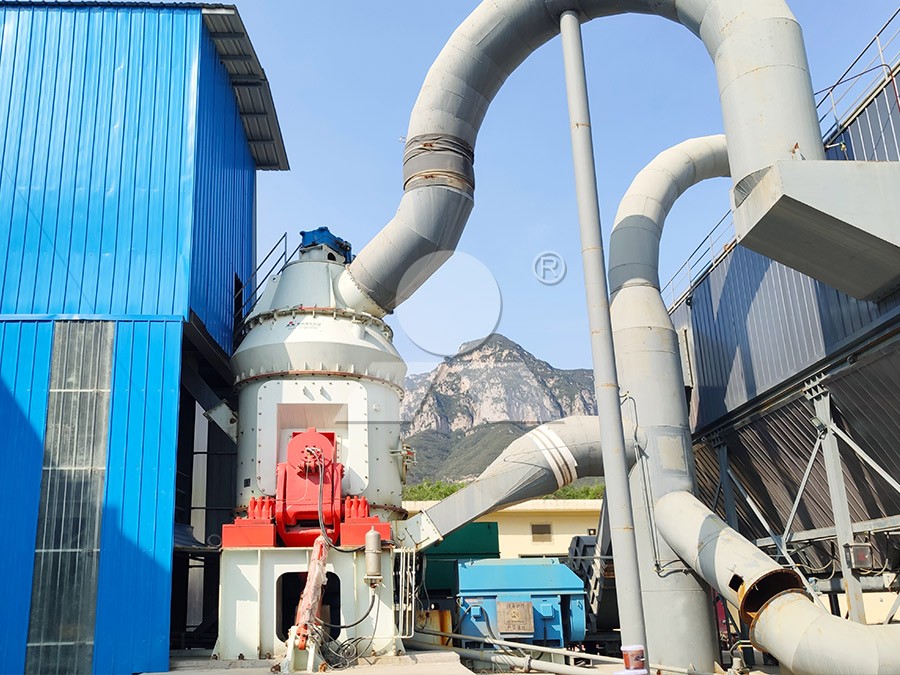
For larger scale operations, our LUM Ultrafine Vertical Grinding Mill is another excellent option, integrating ultrafine powder grinding, grading and transporting with capacity of 5-18 tph.
Conclusion
Processing carbide slag for calcium carbide grinding projects involves several steps, from collection and drying to fine grinding and classification. By using the right equipment and techniques, you can transform this byproduct into a valuable resource for various industries. The MW Ultrafine Grinding Mill stands out as an ideal solution for projects requiring high-quality, ultra-fine carbide slag powder with efficient operation and minimal maintenance requirements.
If you are planning a carbide slag grinding project, consult with our team to ensure you have the most efficient and effective setup for your needs. We can help you select the perfect grinding solution based on your production requirements, desired fineness, and operational constraints.
For more information on our grinding mills and processing solutions, contact us today. We are here to help you achieve your project goals with reliable and high-performance equipment.