
How to Ensure Stable Product Quality in Gypsum Powder Manufacturing
We provide a wide range of mills — including Raymond mill, trapezoidal mill, vertical mill, ultrafine mill, and ball mill, obtained ISO9001 international quality certification, EU CE certification, and Customs Union CU-TR certification. Suitable for processing minerals such as limestone, phosphate, quicklime, kaolin, talc, barite, bentonite, calcium carbonate, dolomite, coal, gypsum, clay, carbon black, slag, cement raw materials, cement clinker, and more.
The discharge range of these mills can be adjusted to meet specific processing needs, typically from 80-400 mesh, 600-3250 mesh, and can achieve the finest particle size of up to 6000 mesh(D50).
If you are looking for a reliable grinding solution to turn stone or minerals into fine powder, please feel free to contact our online customer service.
How to Ensure Stable Product Quality in Gypsum Powder Manufacturing
Gypsum powder manufacturing is a precision-driven process where consistency is king. Achieving and maintaining stable product quality isn’t just about meeting specifications; it’s about building trust with your customers and ensuring the performance of your product in its final application, be it in construction, medicine, or arts. Fluctuations in fineness, moisture content, or chemical purity can render a batch useless. So, how do you lock in that consistency? The answer lies in a holistic approach that encompasses raw material control, process optimization, and crucially, investing in the right milling technology.
The Cornerstones of Quality: Raw Material and Process Control
It all starts with the gypsum rock itself. Inconsistent raw material is the primary enemy of stable output. Implementing strict quality control (QC) protocols at the quarry or from your supplier is non-negotiable. This means regular testing for purity, moisture content, and hardness. Even with high-quality rock, improper drying before grinding can introduce variability. The grinding process must be shielded from upstream inconsistencies.
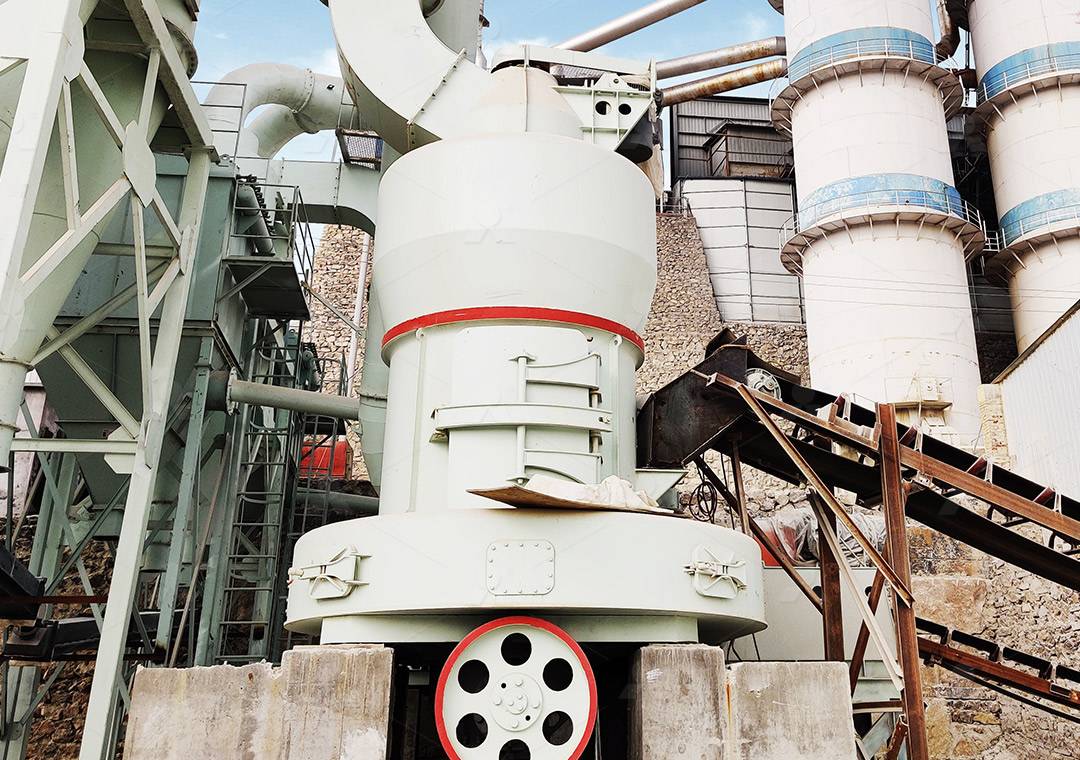
Furthermore, the entire production line must be a closed, controlled system. Open systems are susceptible to environmental humidity, temperature changes, and contamination, all of which can alter the final product’s properties. A modern, integrated system that handles drying, grinding, classifying, and conveying in a sealed, negative-pressure environment is essential for isolating the process from external variables.
The Heart of the Matter: Choosing the Right Grinding Mill
While raw material control sets the stage, the grinding mill is the star performer. This is where the material is transformed, and its final characteristics are defined. Traditional mills like ball mills or older Raymond mills can struggle with efficiency, energy consumption, and, most importantly, producing a consistent, narrow particle size distribution.
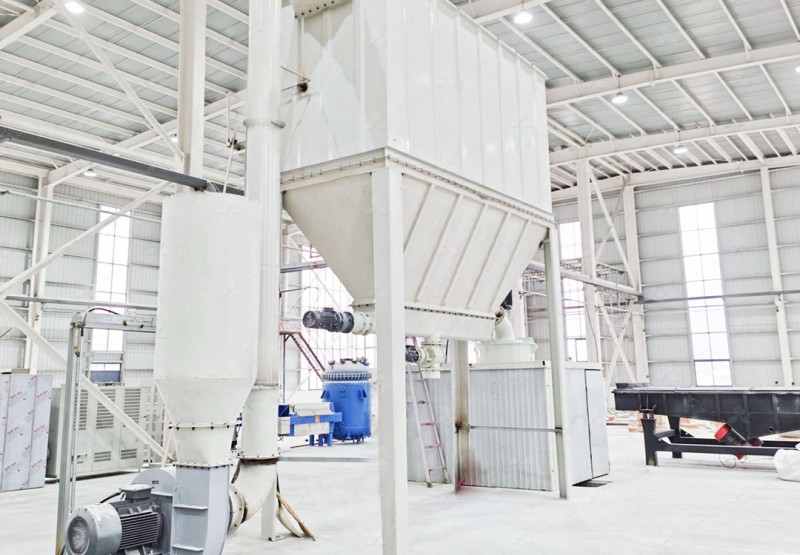
For ultra-fine gypsum powder requiring high whiteness and precise fineness between 325-2500 meshes, the MW Ultrafine Grinding Mill is an exceptional choice. Its innovative design adresses the core challenges of quality control head-on. The German-technology cage-type powder selector ensures incredibly precise particle separation, directly contributing to a uniform final product. Perhaps its most significant feature for stability is the absence of rolling bearings and screws in the grinding chamber. This brilliant engineering decision eliminates two major failure points that can cause unplanned shutdowns and product contamination from lubricants or metal wear. The ability to perform external lubrication without stopping the machine means production can continue uninterrupted for 24 hours, ensuring batch-to-batch consistency.
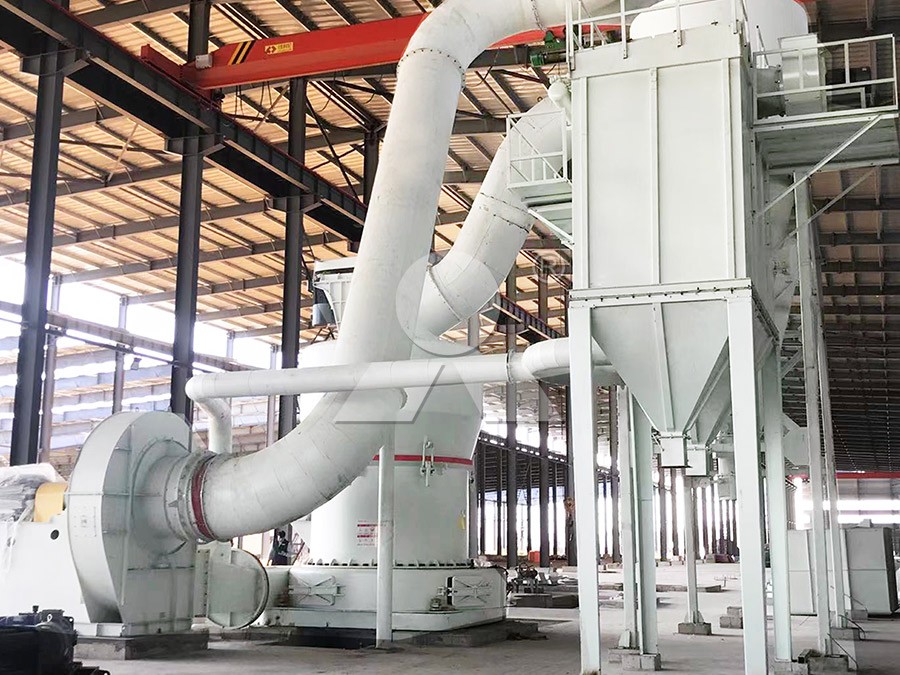
For operations requiring robust, large-scale production of high-quality gypsum powder, the LUM Ultrafine Vertical Grinding Mill offers another superior path to stability. Its unique roller shell and lining plate grinding curve are specifically designed to generate a stable material layer, enabling a high rate of finished product in a single pass. This minimizes over-grinding and reduces the residence time of material in the mill, which helps maintain the chemical and physical properties of the gypsum. The PLC control system and multi-head powder separating technology allow operators to dial in exact parameters for different product grades with repeatable accuracy. The double position-limiting technology acts as an insurance policy, preventing mechanical shocks from disrupting the grinding process and guaranteeing operational smoothness.
Beyond the Machine: System-Wide Stability
Even the best mill cannot perform alone. Supporting equipment like efficient pulse dust collectors and silencers are not just for environmental compliance—they are integral to product quality. A top-tier pulse dust collector ensures no fine product is lost to the environment and, more importantly, prevents cross-contamination between batches. Similarly, consistent feeding using automated vibratory feeders is critical; a surge of raw material into the mill will result in coarse powder, while a trickle can lead to over-grinding.
Finally, embrace digitalization. Modern mills come with sophisticated control systems that log operational data. Monitoring trends in power consumption, grinding pressure, and output can provide early warnings of potential issues, allowing for proactive maintenance before product quality is affected.
Conclusion: A Symphony of Precision
Stable gypsum powder quality is not achieved by accident. It is the result of a meticulously controlled symphony where every instrument must be in tune: consistent raw materials, a sealed and automated process, and most critically, a advanced grinding mill designed for precision and reliability. Investing in technology like the MW Ultrafine Grinding Mill or the LUM Ultrafine Vertical Grinding Mill is an investment in quality itself. It provides the technological foundation to eliminate variables, reduce downtime, and deliver the consistent, high-performance powder your customers demand, batch after batch after batch.