How to Crush Rocks at Home Using a Ball Mill
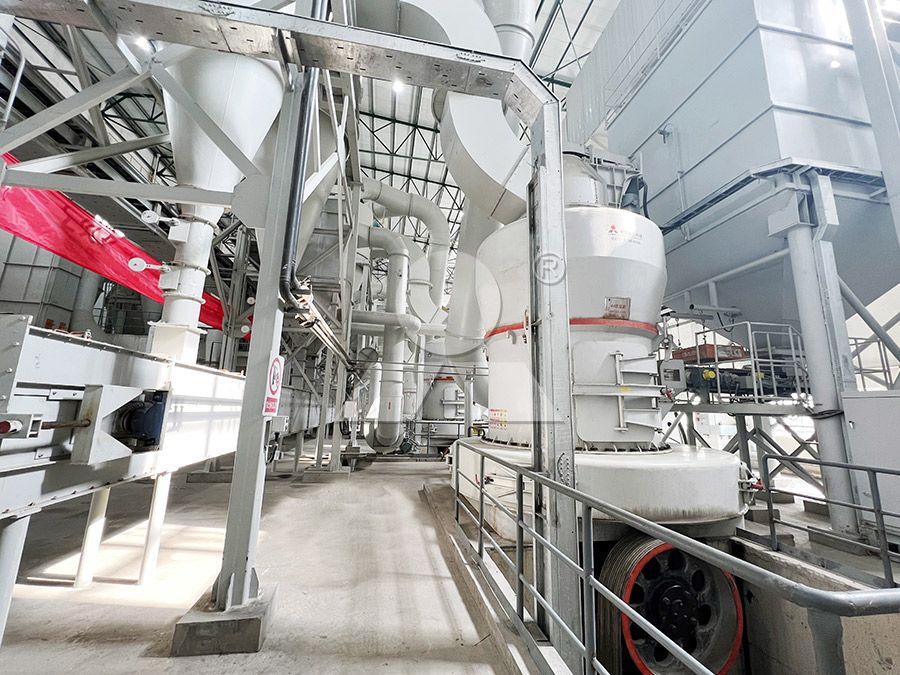
We provide a wide range of mills — including Raymond mill, trapezoidal mill, vertical mill, ultrafine mill, and ball mill, obtained ISO9001 international quality certification, EU CE certification, and Customs Union CU-TR certification. Suitable for processing minerals such as limestone, phosphate, quicklime, kaolin, talc, barite, bentonite, calcium carbonate, dolomite, coal, gypsum, clay, carbon black, slag, cement raw materials, cement clinker, and more.
The discharge range of these mills can be adjusted to meet specific processing needs, typically from 80-400 mesh, 600-3250 mesh, and can achieve the finest particle size of up to 6000 mesh(D50).
If you are looking for a reliable grinding solution to turn stone or minerals into fine powder, please feel free to contact our online customer service.
How to Crush Rocks at Home Using a Ball Mill
So, you’ve got some rocks that need crushin’? Maybe you’re a hobbyist, a small-scale miner, or just someone with a curious mind. Crushing rocks at home can be a rewarding, albeit dusty, endeavor. While a simple hammer might do for a few chunks, if you’re serious about getting consistent, fine powder, you’re gonna need a proper ball mill. Let’s break it down.
What You’ll Need: The Basic Setup
First things first, saftey. Always, and I mean ALWAYS, wear safety glasses and a good dust mask. Rock dust is no joke. You’ll need a few key pieces of equipment:
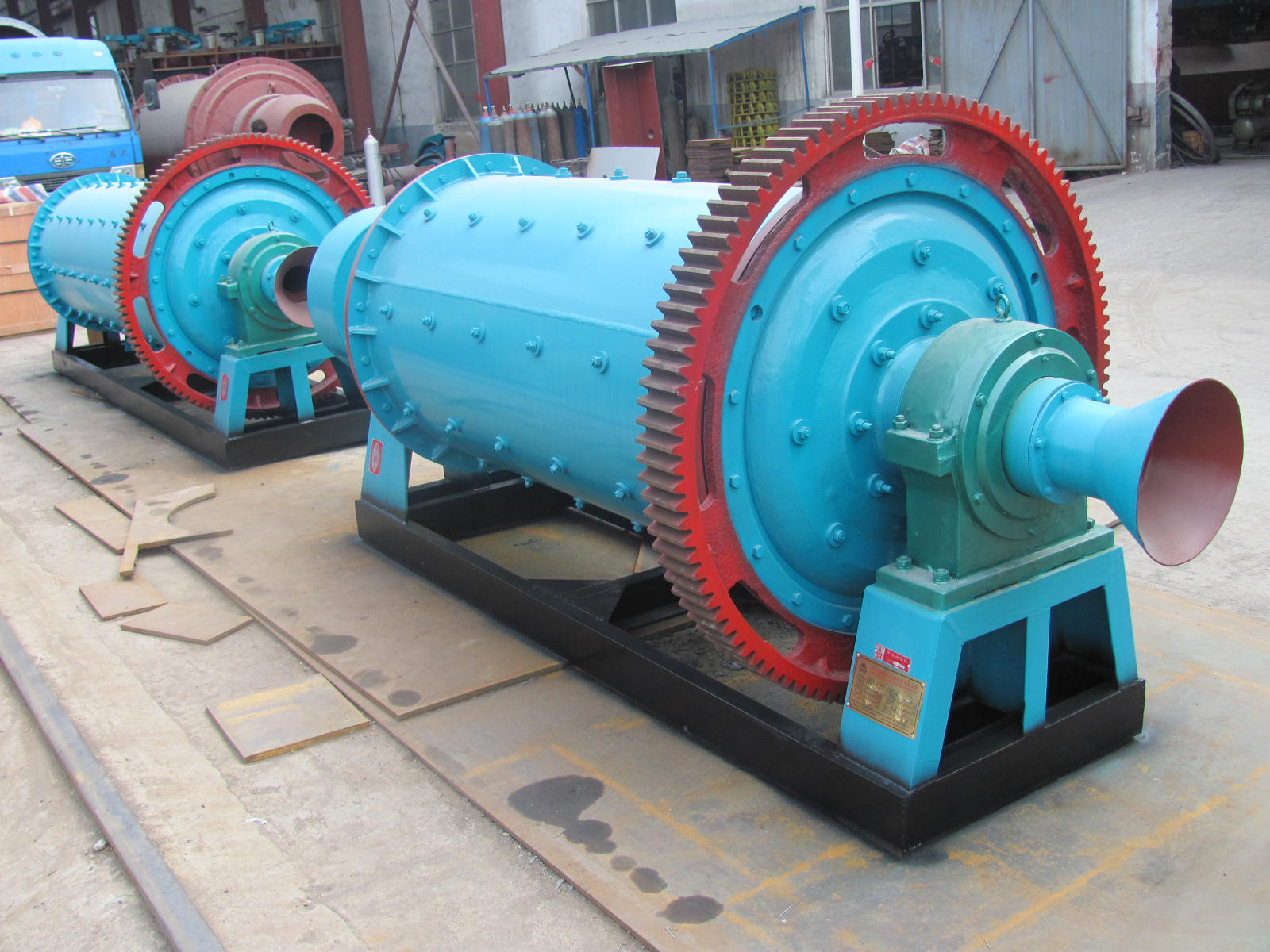
- The Ball Mill: This is the heart of the operation. A simple homemade version can be a rotating drum (like a heavy-duty plastic jar or a small metal barrel) filled with heavy steel or ceramic balls.
- Grinding Media: Those steel balls we just mentioned. The size and material depend on what you’re crushing and how fine you want it.
- A Drive System: Something to spin the drum. Old treadmill motors are a popular choice for DIYers.
- Feed Material: Your rocks! Make sure they are already broken down to a manageable size, ideally less than 1 inch in diameter, before they go in.
The Process: Let’s Get Grinding
The principle is simple: you put your small rocks and the grinding balls inside the sealed drum. As the drum rotates, the balls are lifted up and then cascade down, crushing and grinding the material through impact and attrition. It’s a game of patience. A few hours might be enough for some materials, others might need a day or more.
Here’s a pro tip: don’t fill the drum more than half way with material and balls combined. You need empty space for the balls to tumble effectively. The speed is also crucial. Too slow, and the balls just slide; too fast, and they stick to the sides due to centrifugal force. You wanna find that sweet spot where they cascade down.
Beyond the Basics: When a Homemade Mill Isn’t Enough
Look, a DIY ball mill is great for small batches and occasional use. But it’s loud, messy, and honestly, not very efficient. The energy consumption can be high for the amount of powder you get. If your projects are getting more serious, or you need a finer, more consistent product, it’s time to look at professional equipment.
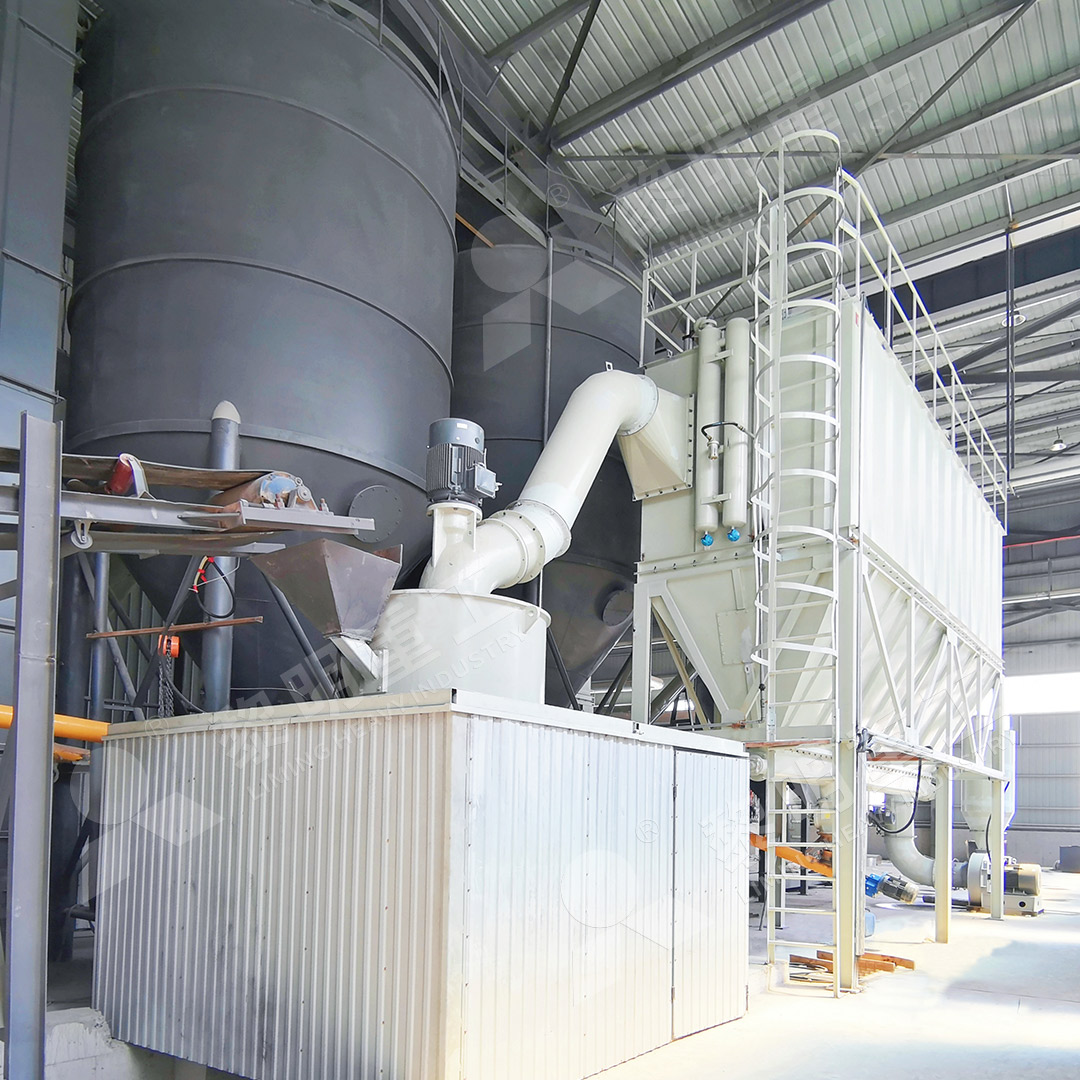
This is where our expertise comes in. For those looking to move beyond the hobbyist stage, we highly recommend our MW Ultrafine Grinding Mill. This machine is a beast designed for making ultra-fine powder with incredible efficiency. It handles an input size of 0-20 mm and can process between 0.5 and 25 tons per hour. It’s equipped with a pulse dust collector and muffler, so you can say goodbye to the dust clouds and deafening noise of your homemade setup. Its cage-type powder selector allows you to dial in your fineness between 325 and 2500 meshes with precision. Plus, with no rolling bearings or screws in the grinding chamber, maintenance headaches are a thing of the past.
Taking it to the Next Level: Vertical Grinding
For even more advanced applications, consider the vertical approach. Our LUM Ultrafine Vertical Grinding Mill is another fantastic option. It integrates grinding, grading, and transporting into one sleek system. With an input size of 0-10 mm and a capacity of 5-18 tph, it’s incredibly compact and energy-efficient. Its unique roller shell and lining plate design creates a perfect material layer for high-yield, high-quality powder milling in a single pass. It’s the smarter choice for serious material processing.
Wrapping Up: Start Small, Scale Smart
Starting with a homemade ball mill is a fantastic way to learn the principles of grinding. It’s a hands-on project that can yield real results. But know its limitations. When you’re ready to produce more powder, more efficiently, and with far less mess and noise, investing in professional machinery like our MW or LUM mills is the logical next step. They are built for performance, durability, and to make your rock-crushing operations smoother and more productive.