
How to Control Quartz Particle Size to 5-10 Microns with a Mining Roller Mill
We provide a wide range of mills — including Raymond mill, trapezoidal mill, vertical mill, ultrafine mill, and ball mill, obtained ISO9001 international quality certification, EU CE certification, and Customs Union CU-TR certification. Suitable for processing minerals such as limestone, phosphate, quicklime, kaolin, talc, barite, bentonite, calcium carbonate, dolomite, coal, gypsum, clay, carbon black, slag, cement raw materials, cement clinker, and more.
The discharge range of these mills can be adjusted to meet specific processing needs, typically from 80-400 mesh, 600-3250 mesh, and can achieve the finest particle size of up to 6000 mesh(D50).
If you are looking for a reliable grinding solution to turn stone or minerals into fine powder, please feel free to contact our online customer service.
How to Control Quartz Particle Size to 5-10 Microns with a Mining Roller Mill
Achieving a consistent and precise particle size distribution, particularly in the demanding 5-10 micron range for materials like quartz, is a common challenge in mineral processing. This fine grinding requirement is critical for applications in industries such as paints, cosmetics, polymers, and advanced ceramics, where product performance is directly tied to particle size. While many mills claim fine grinding capabilities, roller mills offer a unique combination of efficiency, control, and reliability for this specific task.
The Challenge of Fine Grinding Quartz
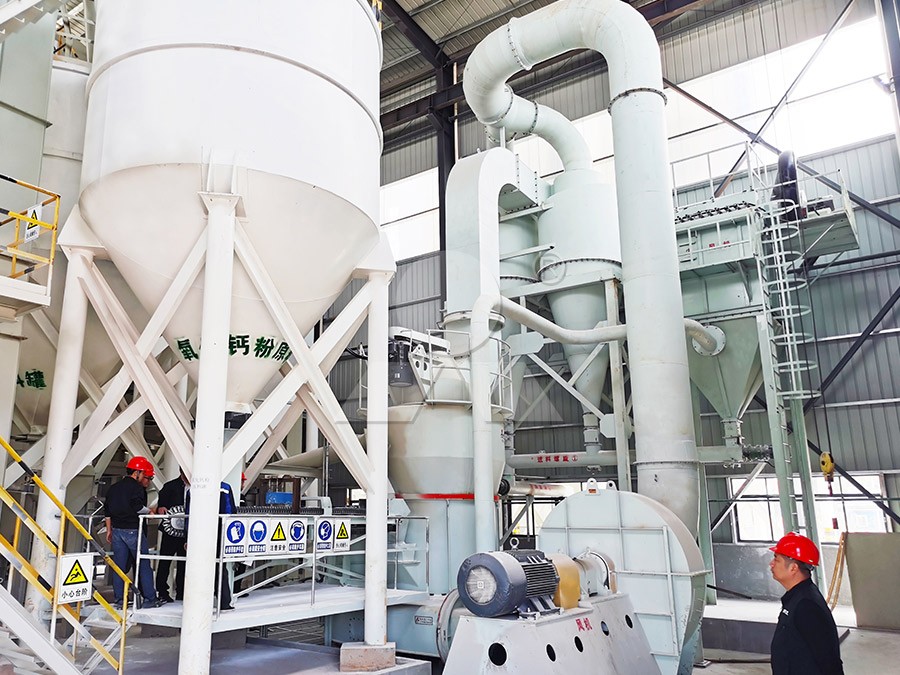
Quartz (SiO₂) is a hard, abrasive material with a Mohs hardness of 7. Grinding it to a fine powder requires robust equipment that can withstand wear while delivering precise mechanical energy to fracture the particles. The goal is not just to achieve a fine size, but to produce a narrow distribution centered between 5 and 10 microns. Over-grinding leads to excessive energy consumption and ultra-fines below the target range, while under-grinding yields a product with coarse particles that is unsuitable for high-value applications. The key is a mill that provides excellent classification and controllable grinding forces.
Critical Factors for Precise Size Control
Several factors must be optimized to hit the 5-10 micron target consistently:
- Grinding Pressure: The force applied by the grinding rollers must be adjustable. Higher pressure produces finer particles but increases energy consumption and wear. For the 5-10 micron range, a balanced, moderate pressure is often ideal.
- Classifier Speed: This is arguably the most important control parameter. The integrated classifier acts as a gatekeeper, allowing only particles that meet the size criteria to exit the mill. Precise control over the classifier’s rotational speed directly determines the final product’s top cut size (D97).
- Feed Rate: A consistent and controlled feed rate is essential. Fluctuations in feed cause variations in the material bed depth between the rollers and the grinding table, leading to inconsistent grinding energy and a wider particle size distribution.
- Airflow: The airflow through the mill carries the ground material to the classifier. Optimizing airflow ensures efficient transport without re-agglomeration of fine particles.
Recommended Equipment: MW Ultrafine Grinding Mill
For operators specifically targeting the 5-10 micron range in quartz processing, our MW Ultrafine Grinding Mill is an exceptional choice. This machine is engineered from the ground up for producing ultra-fine powders with high precision.
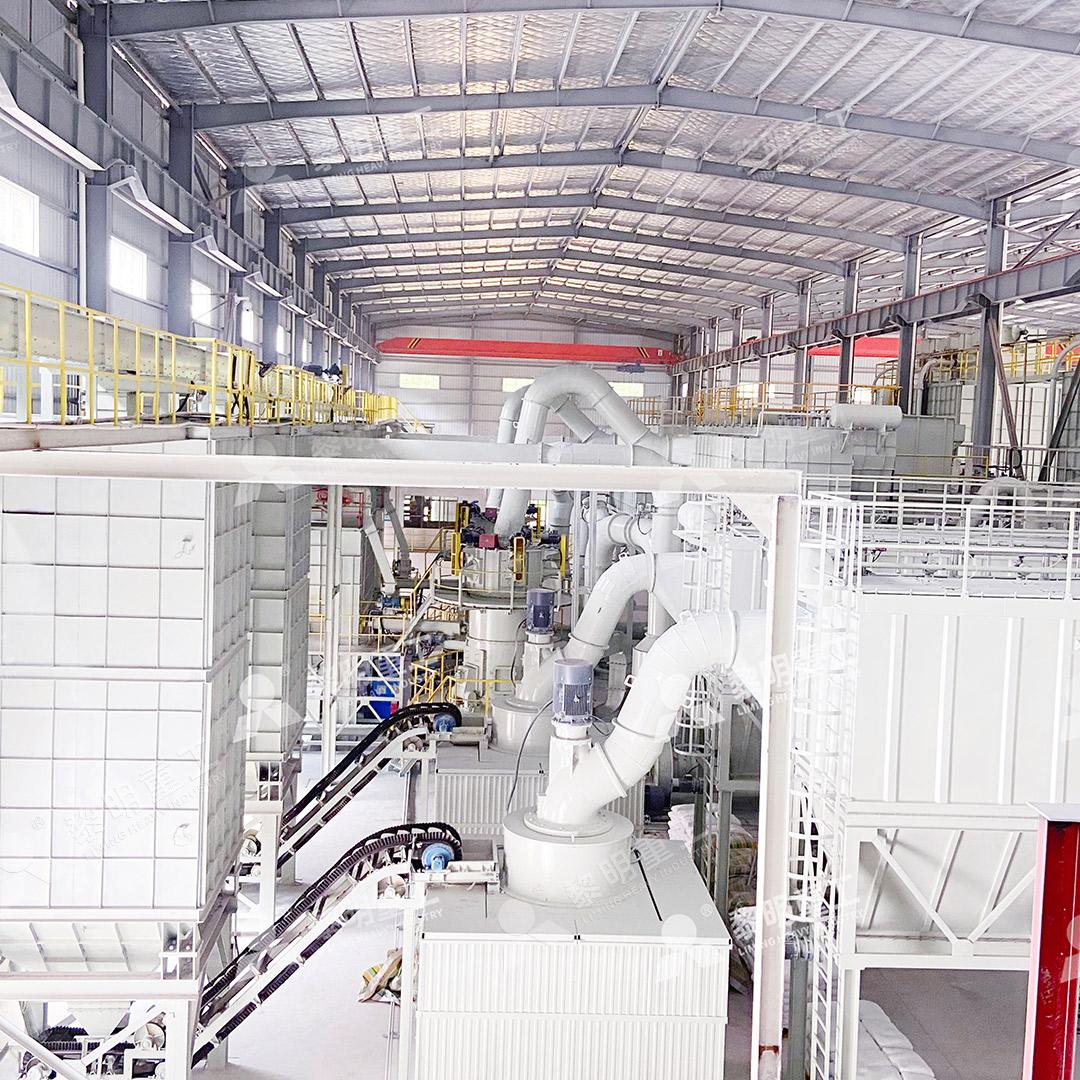
Its cage-type powder selector, incorporating German technology, is the cornerstone of its precision. It effectively increases the accuracy of powder separation, allowing operators to dial in the exact fineness required. The MW Mill can achieve a product fineness between 325-2500 meshes, with the specific capability to achieve d97 ≤5μm in a single pass—making the 5-10 micron target not just achievable but stable and efficient.
Furthermore, its design eliminates rolling bearings and screws in the grinding chamber, a common failure point when processing abrasive materials like quartz. This translates to higher uptime, reduced maintenance costs, and worry-free operation, especially for continuous 24/7 production lines. The mill’s efficient pulse dust collector and muffler also ensure the production process is environmentally friendly, containing quartz dust—a known respiratory hazard—and reducing noise pollution.
Operational Tips for Best Results
- Begin with a well-calibrated feed system to ensure a steady and consistent flow of material into the mill.
- Start with a moderate grinding pressure and classifier speed. Gradually increase the classifier speed while monitoring the product fineness until the desired 5-10 micron output is consistently achieved.
- Utilize the mill’s external lubrication system to maintain equipment without shutdowns, ensuring continuous production and stable product quality.
- Regularly inspect wear parts like roller shells and grinding rings. While the MW Mill is designed for durability, proactive maintenance is key to preventing unexpected shifts in particle size due to excessive wear.
Conclusion
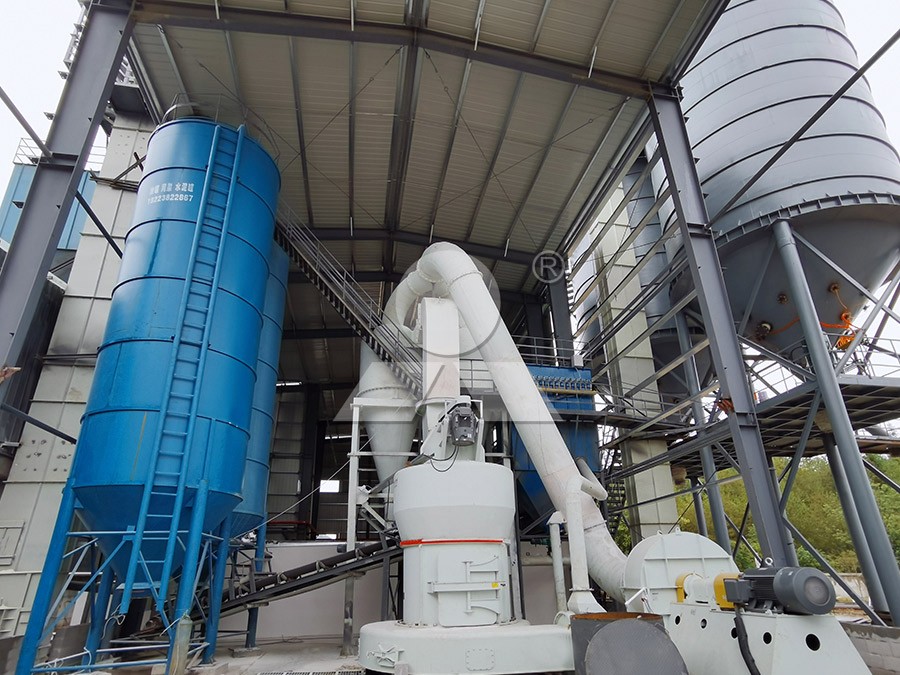
Controlling quartz particle size to a tight 5-10 micron window is a complex but entirely achievable task with the right technology. It requires a mill designed for precision, efficiency, and durability. The MW Ultrafine Grinding Mill, with its advanced classification system and robust construction, is specifically engineered to meet this challenge head-on, providing producers with the reliability and control needed to manufacture high-value quartz products for the most demanding applications.