
How to Control Limestone Powder Fineness in Industrial Grinding Mills
We provide a wide range of mills — including Raymond mill, trapezoidal mill, vertical mill, ultrafine mill, and ball mill, obtained ISO9001 international quality certification, EU CE certification, and Customs Union CU-TR certification. Suitable for processing minerals such as limestone, phosphate, quicklime, kaolin, talc, barite, bentonite, calcium carbonate, dolomite, coal, gypsum, clay, carbon black, slag, cement raw materials, cement clinker, and more.
The discharge range of these mills can be adjusted to meet specific processing needs, typically from 80-400 mesh, 600-3250 mesh, and can achieve the finest particle size of up to 6000 mesh(D50).
If you are looking for a reliable grinding solution to turn stone or minerals into fine powder, please feel free to contact our online customer service.
Mastering Fineness Control in Limestone Grinding Operations
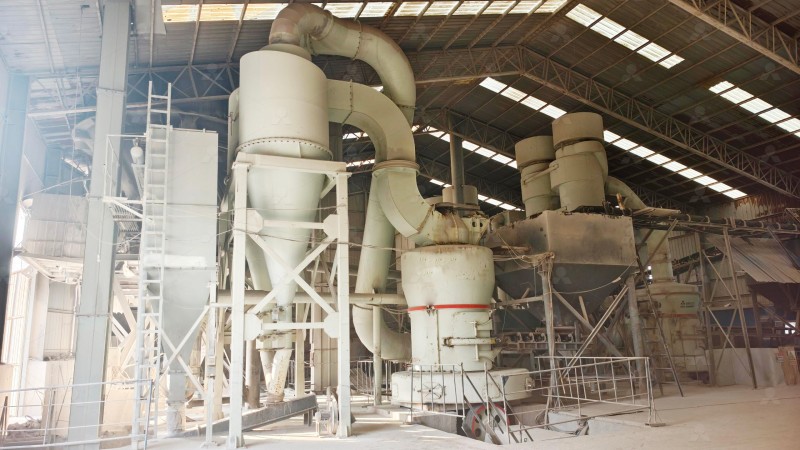
In the world of industrial mineral processing, achieving and maintaining precise limestone powder fineness is a critical yet challenging objective. The desired particle size distribution directly impacts product quality, performance in downstream applications, and overall operational economics. Fineness control is not a single-step adjustment but a complex interplay between mill mechanics, airflow, feed characteristics, and separator efficiency.
Key Factors Influencing Final Product Fineness
Several operational parameters must be carefully managed to control the fineness of ground limestone. The grindability of the raw limestone itself varies based on its geological origin and chemical composition. The feed size must be consistently maintained within the mill’s designed parameters—typically under 20mm for fine grinding applications. Moisture content significantly affects grinding efficiency, with most mills performing optimally with moisture levels below a certain threshold.
The grinding pressure between rollers and the grinding table or ring must be optimized. Too little pressure results in coarse particles, while excessive pressure increases energy consumption and wear without corresponding benefits to fineness. The classifier or separator speed is perhaps the most direct control mechanism, as it determines the cut point for particle separation. Airflow volume and velocity through the mill system carry the particles and affect the retention time of material in the grinding zone.
Advanced Technological Solutions for Precision Grinding
Modern grinding mills incorporate sophisticated technologies to address the challenge of fineness control. For operations requiring ultra-fine limestone powder with precise particle size distribution, the MW Ultrafine Grinding Mill represents a significant technological advancement. This equipment features a German-designed cage-type powder selector that effectively increases the precision of powder separation, allowing operators to adjust product fineness between 325-2500 meshes with screening rates achieving d97≤5μm in a single pass.
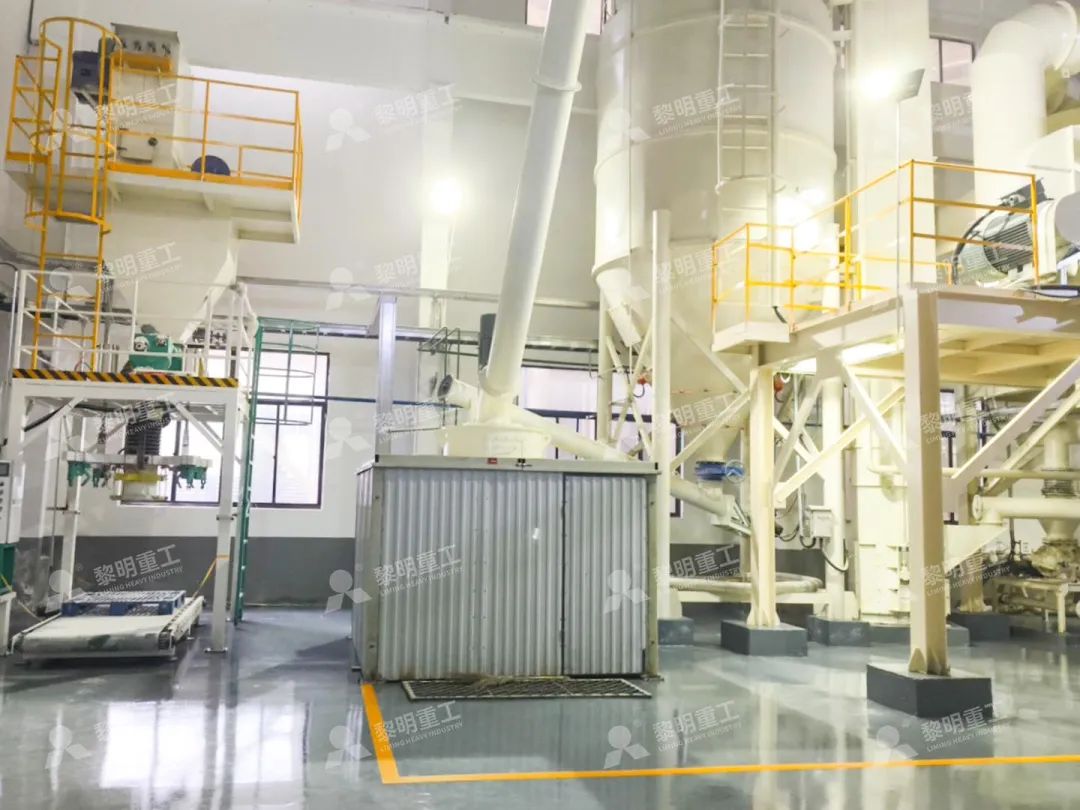
The MW series achieves higher yielding with lower energy consumption through newly designed grinding curves of the grinding roller and grinding ring. With the same fineness and power, its production capacity is 40% higher than jet grinding mills and stirred grinding mills, and twice as large as ball grinding mills, while system energy consumption is only 30% of jet grinding mills. The absence of rolling bearings and screws in the grinding chamber eliminates concerns about bearing damage or machine failure caused by loose screws, while external lubrication allows for continuous 24-hour operation.
For operations requiring different capabilities, the LUM Ultrafine Vertical Grinding Mill offers exceptional control through its PLC control system and multi-head powder separating technology. This system completely solves the twin problems of “high-precision and accurate cutting powder diameter, and fast switch of different production demands.” Users can accurately control grinding pressure, revolving speed, and other equipment parameters, reducing energy consumption by 30%-50% compared to conventional mills while maintaining precise fineness control.
Practical Operational Strategies
Beyond equipment selection, several operational practices enhance fineness control. Implementing consistent feed rate control prevents mill overload or starvation, both detrimental to particle size consistency. Regular inspection and maintenance of grinding elements ensure consistent grinding performance. Monitoring power consumption provides valuable insights into grinding efficiency, as specific energy consumption correlates with fineness achievement.
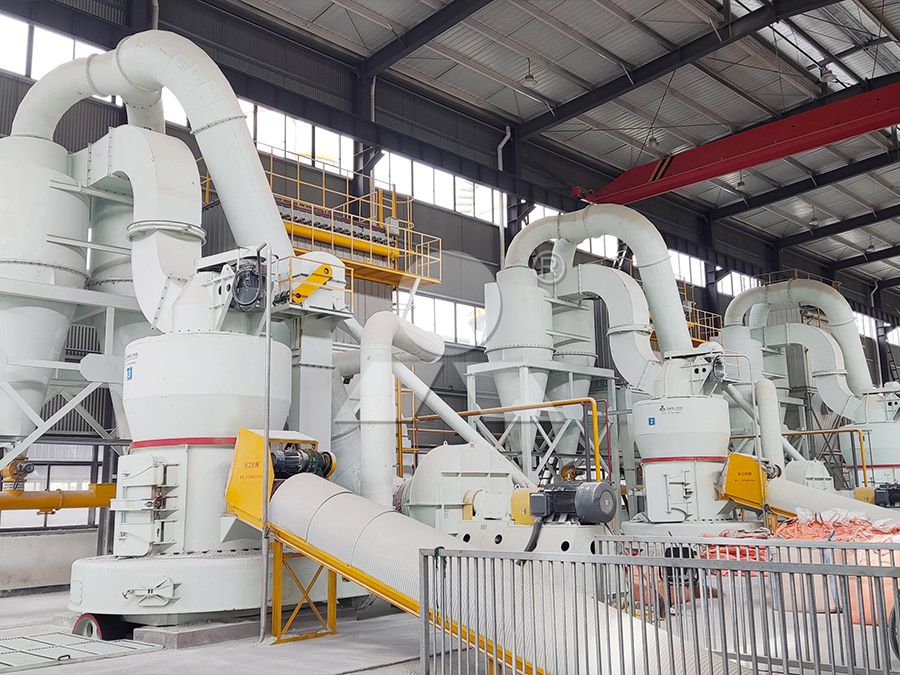
Systematic sampling and particle size analysis form the foundation of effective fineness control. Modern mills often incorporate automated sampling systems that provide real-time feedback to control loops, enabling continuous adjustment of operational parameters to maintain target fineness despite variations in feed characteristics.
Frequently Asked Questions
What is the most important factor in controlling limestone powder fineness?
The classifier or separator system is arguably the most critical component, as it directly determines the final particle size distribution. Advanced separators like those in the MW Ultrafine Grinding Mill allow precise adjustment of the cut point and efficient separation of fine particles.
How does feed size affect the final fineness of limestone powder?
Consistent feed size is crucial for predictable grinding results. Oversized material may not be fully ground in a single pass, leading to inconsistent fineness. Most ultrafine grinding mills perform best with feed material under 20mm.
Can the same mill produce different fineness grades of limestone powder?
Yes, modern mills like the MW series are designed specifically for this purpose. With adjustable separator systems, they can produce powder ranging from 325 to 2500 meshes, allowing operators to switch between different product specifications without equipment changes.
How often should grinding elements be replaced to maintain fineness consistency?
Wear rates depend on material abrasiveness and operating hours, but regular inspection is essential. The unique design of the MW Ultrafine Grinding Mill without rolling bearings in the grinding chamber significantly reduces maintenance requirements compared to traditional designs.
What auxiliary systems are necessary for effective fineness control?
Efficient dust collection, consistent feed systems, and proper airflow management are all essential. The MW Ultrafine Grinding Mill’s integrated pulse dust collector and muffler ensure environmentally compliant operation while maintaining optimal system airflow for fineness control.