
How to Control and Optimize the Temperature of a Vertical Roller Mill for Efficient Grinding
We provide a wide range of mills — including Raymond mill, trapezoidal mill, vertical mill, ultrafine mill, and ball mill, obtained ISO9001 international quality certification, EU CE certification, and Customs Union CU-TR certification. Suitable for processing minerals such as limestone, phosphate, quicklime, kaolin, talc, barite, bentonite, calcium carbonate, dolomite, coal, gypsum, clay, carbon black, slag, cement raw materials, cement clinker, and more.
The discharge range of these mills can be adjusted to meet specific processing needs, typically from 80-400 mesh, 600-3250 mesh, and can achieve the finest particle size of up to 6000 mesh(D50).
If you are looking for a reliable grinding solution to turn stone or minerals into fine powder, please feel free to contact our online customer service.
Introduction
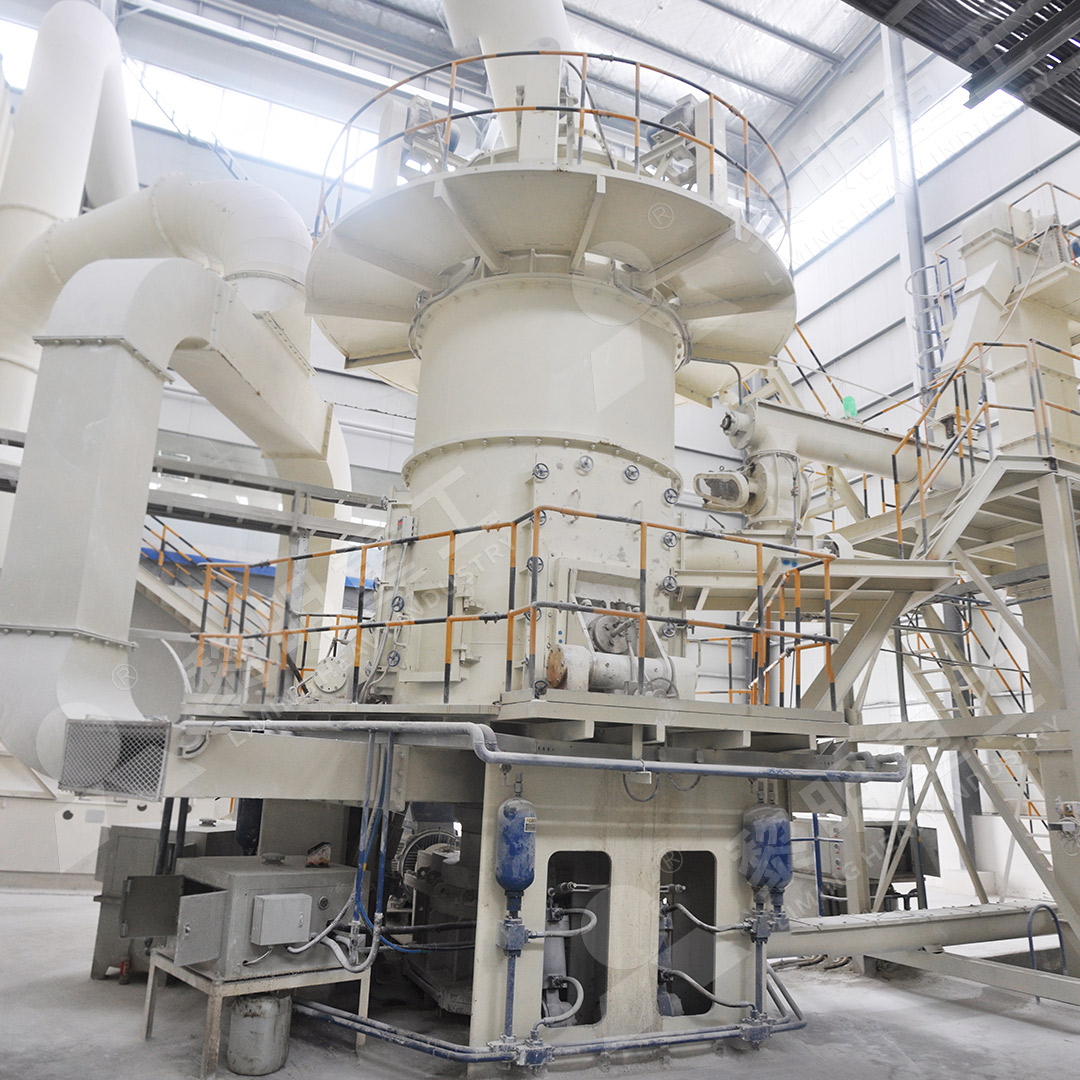
Temperature control in vertical roller mills (VRMs) is critical for achieving efficient grinding performance, product quality, and equipment longevity. Excessive heat can lead to material dehydration, roller wear, and even thermal damage to the mill structure. This article explores practical strategies to optimize VRM temperature, with a focus on leveraging advanced grinding technologies like our MW Ultrafine Grinding Mill and LUM Ultrafine Vertical Grinding Mill.
Why Temperature Matters
High temperatures in VRMs can:
- Reduce grinding efficiency due to material agglomeration
- Accelerate wear of grinding components
- Cause thermal expansion misalignment
- Affect final product properties (e.g., cement strength)
Key Temperature Control Strategies
1. Optimized Airflow Management
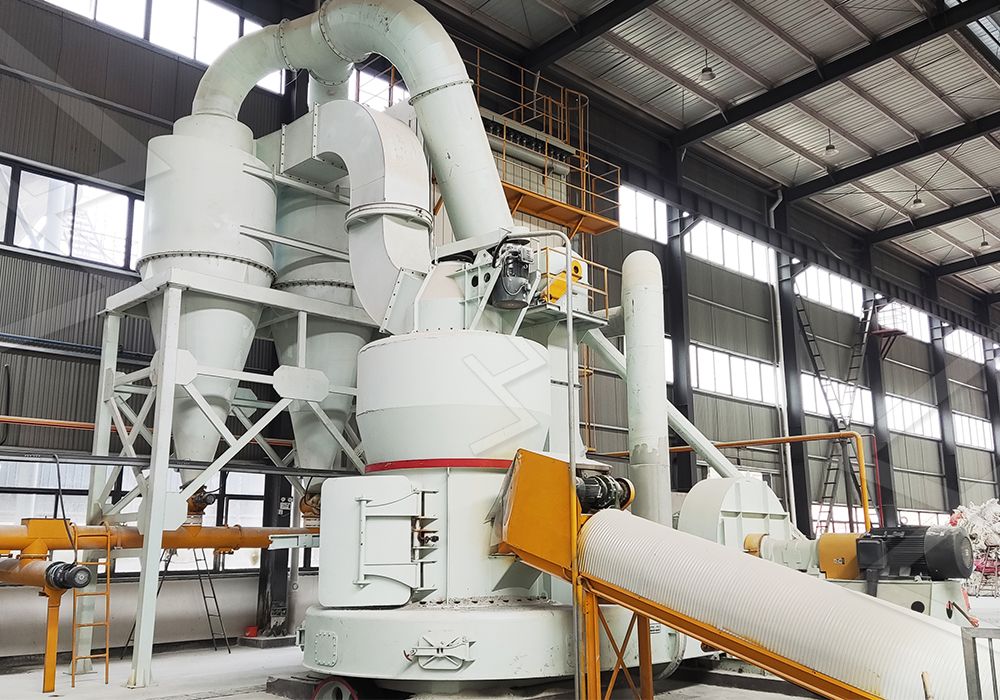
Proper ventilation is the primary method for heat dissipation in VRMs. Our MW Ultrafine Grinding Mill features an advanced air circulation system with:
- Efficient pulse dust collector (reduces system resistance)
- Precise air volume control (325-2500 mesh adjustment)
- Integrated silencer (maintains stable airflow)
2. Material Feed Rate Optimization
Maintaining consistent material bed depth (typically 15-50mm) helps stabilize mill temperature. The LUM Ultrafine Vertical Grinding Mill achieves this through:
- PLC-controlled feeding system
- Real-time material layer monitoring
- Multi-head powder separating technology
3. Grinding Pressure Adjustment
Our mills feature hydraulic systems that allow precise pressure control (typically 50-150 bar) to balance grinding efficiency and heat generation.
Advanced Solutions from LIMING
For operations requiring ultra-fine grinding with precise temperature control, we recommend:
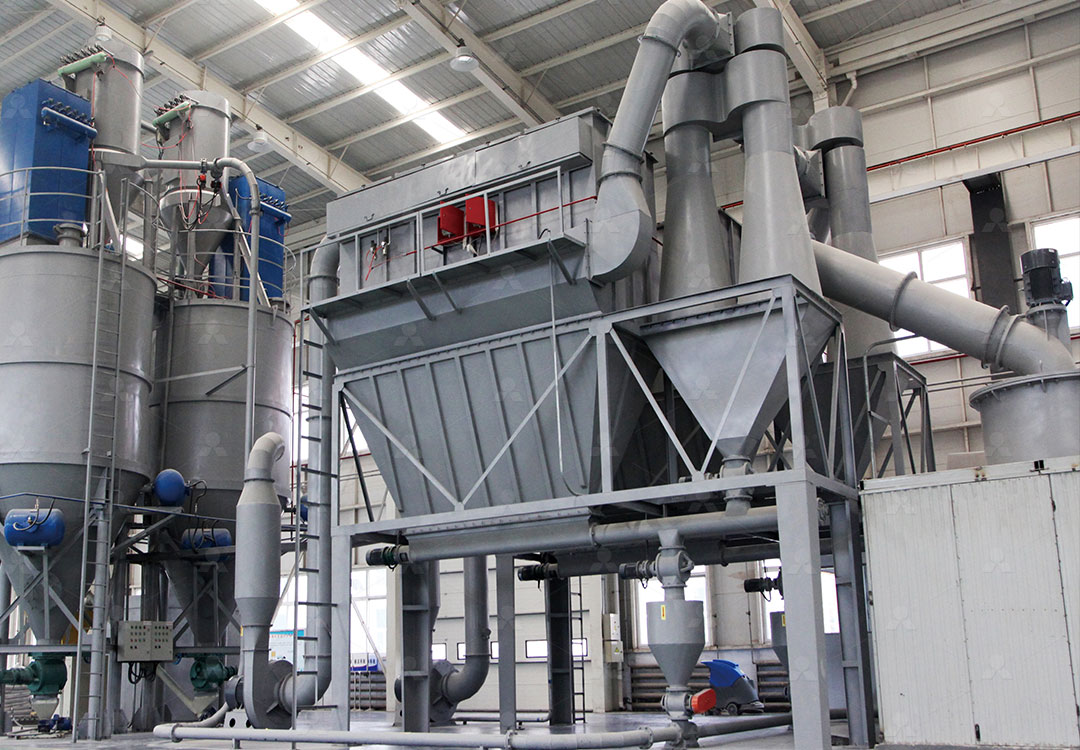
MW Ultrafine Grinding Mill
- Capacity: 0.5-25 tph
- No rolling bearings in grinding chamber (reduces friction heat)
- External lubrication system (allows cooling without shutdown)
- Energy consumption 30% lower than jet mills
LUM Ultrafine Vertical Grinding Mill
- Capacity: 5-18 tph
- Electronic + mechanical position-limiting technology
- Reversible structure for easy maintenance
- 30-50% energy savings vs conventional mills
Conclusion
Effective temperature management in VRMs requires a holistic approach combining airflow optimization, material control, and advanced mill design. LIMING’s grinding solutions incorporate these principles while delivering superior energy efficiency and product quality. For operations pushing the limits of fine grinding, our MW and LUM series mills provide the thermal stability needed for consistent, high-yield production.