
How to Choose the Right Vertical Roller Mill Manufacturer in Indonesia
We provide a wide range of mills — including Raymond mill, trapezoidal mill, vertical mill, ultrafine mill, and ball mill, obtained ISO9001 international quality certification, EU CE certification, and Customs Union CU-TR certification. Suitable for processing minerals such as limestone, phosphate, quicklime, kaolin, talc, barite, bentonite, calcium carbonate, dolomite, coal, gypsum, clay, carbon black, slag, cement raw materials, cement clinker, and more.
The discharge range of these mills can be adjusted to meet specific processing needs, typically from 80-400 mesh, 600-3250 mesh, and can achieve the finest particle size of up to 6000 mesh(D50).
If you are looking for a reliable grinding solution to turn stone or minerals into fine powder, please feel free to contact our online customer service.
How to Choose the Right Vertical Roller Mill Manufacturer in Indonesia
Indonesia’s rapidly growing construction and industrial sectors have created substantial demand for efficient grinding equipment. Selecting the right vertical roller mill manufacturer is crucial for operational success, as the wrong choice can lead to costly downtime, inefficient production, and excessive maintenance expenses. This guide outlines key considerations when evaluating potential suppliers in the Indonesian market.
Technical Capabilities and Product Range
A manufacturer’s technical expertise should be your primary consideration. Look for companies with proven experience in designing mills specifically for the materials common in your operations. The ideal manufacturer should offer a comprehensive product range to match your specific requirements, whether you need equipment for limestone, calcite, dolomite, petroleum coal, gypsum, or other materials.
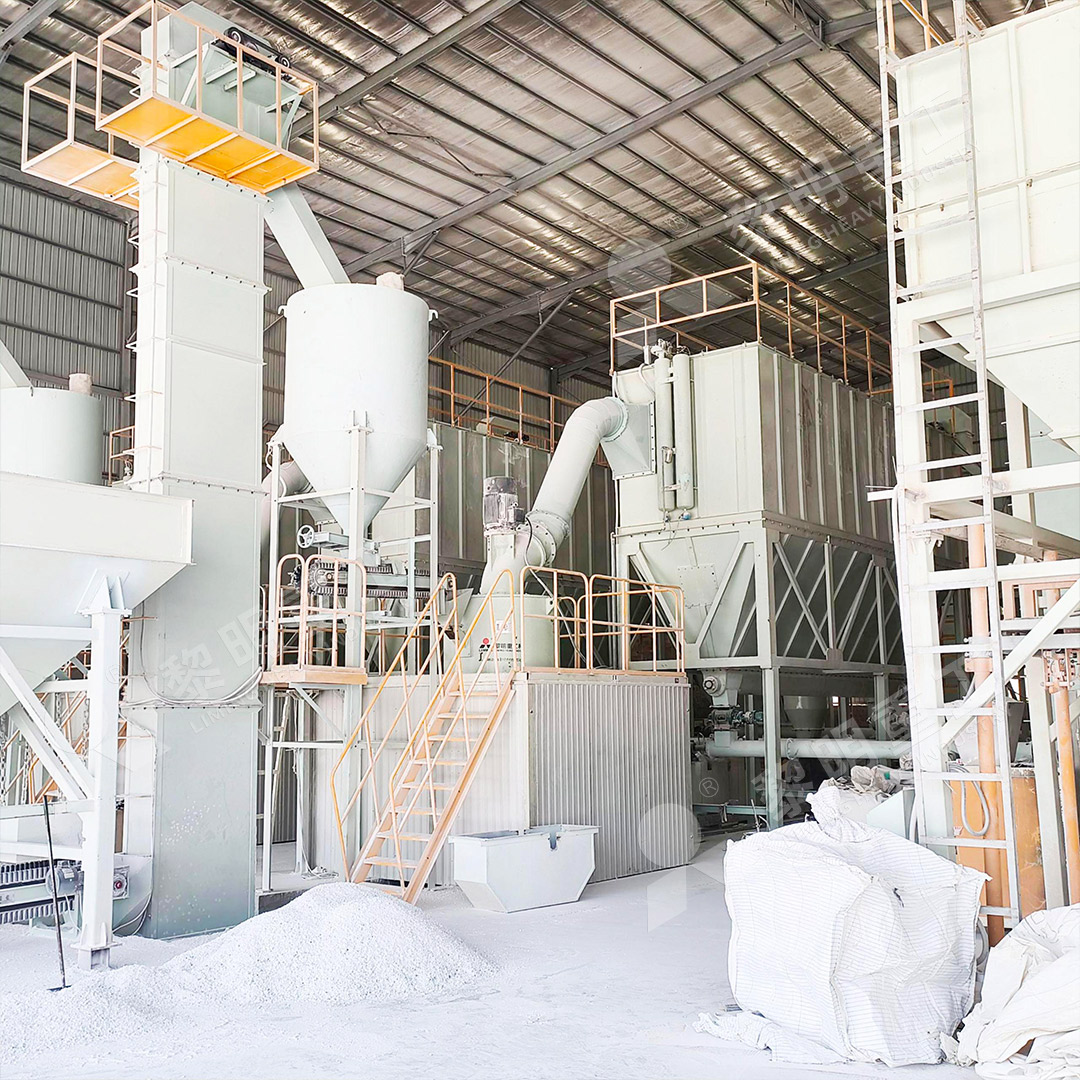
For operations requiring ultra-fine powder production, the MW Ultrafine Grinding Mill represents an excellent solution with its impressive 0.5-25 tph capacity range and ability to handle input sizes up to 20mm. This machine is particularly valuable for customers in chemical industries, paint production, cosmetics, medicine, and food additives where ultra-fine powder specifications are critical.
Energy Efficiency and Operational Costs
In today’s competitive environment, energy consumption represents a significant portion of operational expenses. Advanced vertical roller mills should offer substantial energy savings compared to traditional grinding systems. The MW Ultrafine Grinding Mill, for instance, consumes only 30% of the energy required by jet grinding mills while delivering 40% higher production capacity with the same fineness and power input.
When evaluating manufacturers, request detailed energy consumption data and compare the long-term operational costs, not just the initial purchase price. Indonesian operations particularly benefit from energy-efficient equipment given the country’s evolving energy infrastructure.
Environmental Compliance and Dust Control
Indonesian environmental regulations continue to evolve, making dust and noise control essential considerations. Modern grinding mills should incorporate efficient pulse dust collectors and mufflers to minimize environmental impact. The MW Ultrafine Grinding Mill’s integrated dust removal system ensures no dust pollution during operation, while silencers and noise elimination rooms maintain workplace comfort and regulatory compliance.
After-Sales Support and Spare Parts Availability
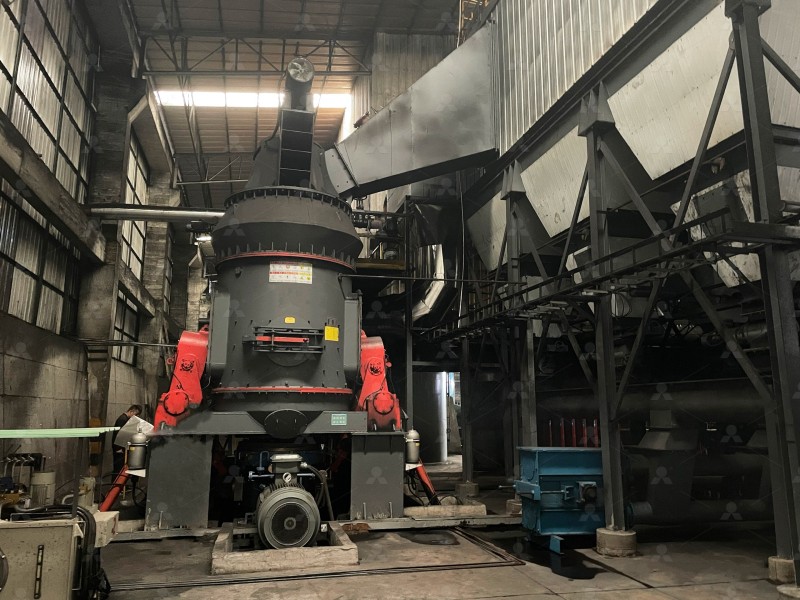
Manufacturer support extends far beyond the initial sale. In Indonesia’s geographical context, reliable after-sales service and readily available spare parts are non-negotiable. Choose manufacturers with established service networks and proven commitment to customer support. Companies that handle both production and sales typically provide more comprehensive technical services and guarantee original spare parts availability.
The assurance of sufficient spare parts supply and worry-free operation becomes particularly important in remote Indonesian operations where equipment downtime can severely impact production timelines.
Advanced Features for Enhanced Performance
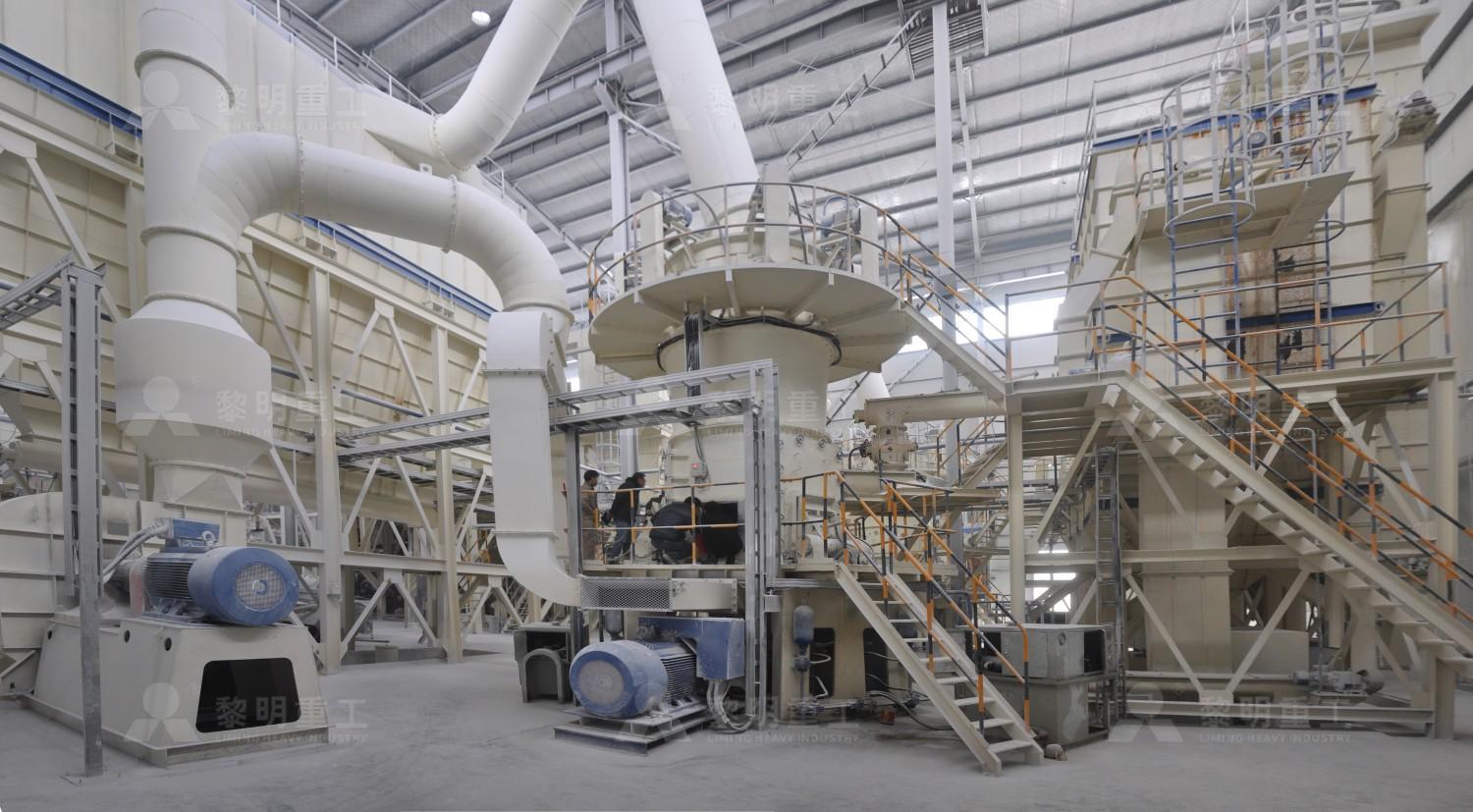
Modern vertical roller mills incorporate sophisticated technologies that significantly improve performance and reliability. Look for features such as adjustable fineness between 325-2500 meshes, innovative grinding chamber designs that eliminate rolling bearings and screws vulnerable to damage, and external lubrication systems that enable maintenance without shutdown.
Digitalized processing with numerical control machining ensures high precision in core components, contributing to longer service life and consistent performance. These technological advantages translate to higher yielding rates with lower energy consumption – critical factors in competitive markets.
Manufacturing Quality and Precision
Assess the manufacturer’s production capabilities and quality control processes. Companies utilizing numerical controlling machine tools for cutting, bending, planing, milling, and paint spraying typically deliver higher precision equipment with better longevity. This manufacturing approach ensures consistent quality, especially in core components where precision directly impacts performance and maintenance intervals.
FAQ
What capacity range should I consider for medium-scale operations in Indonesia?
For medium-scale operations, mills with capacities between 5-50 tph typically offer the best balance of performance and investment. The MW Ultrafine Grinding Mill’s 0.5-25 tph range suits various production scales, while other models in the product line accommodate higher throughput requirements.
How important is environmental compliance for grinding mills in Indonesia?
Extremely important. Indonesian regulations increasingly emphasize environmental protection. Equipment like the MW Ultrafine Grinding Mill with integrated pulse dust collectors and noise reduction features ensures compliance while maintaining operational efficiency.
What maintenance advantages should I look for?
Seek designs that simplify maintenance, such as external lubrication systems that don’t require shutdowns, accessible grinding chambers, and designs that eliminate vulnerable components like rolling bearings in critical areas.
How does material hardness affect mill selection?
Material hardness directly influences wear part longevity and power requirements. Discuss your specific materials with manufacturers to select appropriate wear-resistant alloys and grinding configurations for optimal performance and cost efficiency.
What after-sales support is typically available in Indonesia?
Reputable manufacturers provide technical services, original spare parts supply, and operational support. Companies with integrated production and sales operations generally offer more reliable long-term support.