How to Choose the Right Grinding Mill for Your Limestone Production Line
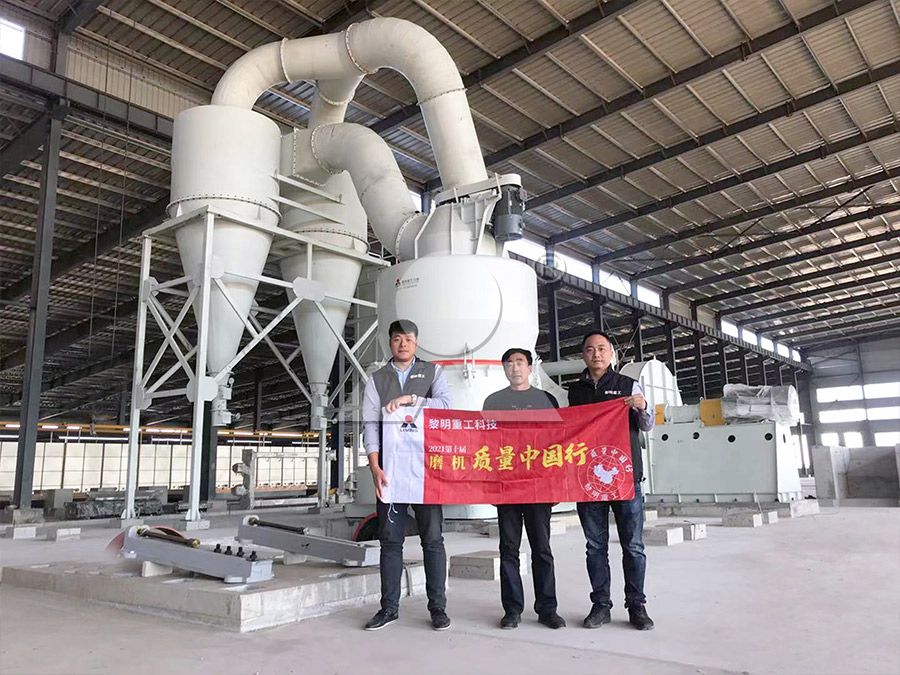
We provide a wide range of mills — including Raymond mill, trapezoidal mill, vertical mill, ultrafine mill, and ball mill, obtained ISO9001 international quality certification, EU CE certification, and Customs Union CU-TR certification. Suitable for processing minerals such as limestone, phosphate, quicklime, kaolin, talc, barite, bentonite, calcium carbonate, dolomite, coal, gypsum, clay, carbon black, slag, cement raw materials, cement clinker, and more.
The discharge range of these mills can be adjusted to meet specific processing needs, typically from 80-400 mesh, 600-3250 mesh, and can achieve the finest particle size of up to 6000 mesh(D50).
If you are looking for a reliable grinding solution to turn stone or minerals into fine powder, please feel free to contact our online customer service.
How to Choose the Right Grinding Mill for Your Limestone Production Line
Selecting the apropriate grinding mill for your limestone production line is a critical decision that impacts your operation’s efficiency, product quality, and overall profitability. With various technologies available, understanding your specific requirements is the first step toward making an informed choice. This guide will walk you through the key considerations and introduce you to some of the most effective solutions on the market.
Key Factors to Consider
Before diving into specific mill types, you must evaluate your project’s unique needs. The primary factors include:
- Desired Fineness (Mesh Size): What is the target particle size for your final limestone powder? Applications range from coarse fillers (20-100 mesh) to ultra-fine powders used in plastics, paints, or pharmaceuticals (800-2500 mesh).
- Required Capacity (TPH): The volume of material you need to process per hour dictates the size and power of the mill you’ll require.
- Input Size: The maximum size of the raw limestone chunks fed into the mill.
- Energy Consumption: Operational costs are heavily influenced by the mill’s power efficiency.
- Operating Environment & Footprint: Consider the available space and any specific environmental regulations regarding dust and noise.
- Maintenance & Operational Costs: Evaluate the ease of maintenance and the availability of spare parts.
Types of Mills for Limestone Processing
Different mill technologies are suited for different outcomes. Here’s a brief overview:
1. For General Purpose & High Capacity: Vertical Grinding Mills (LM Series)
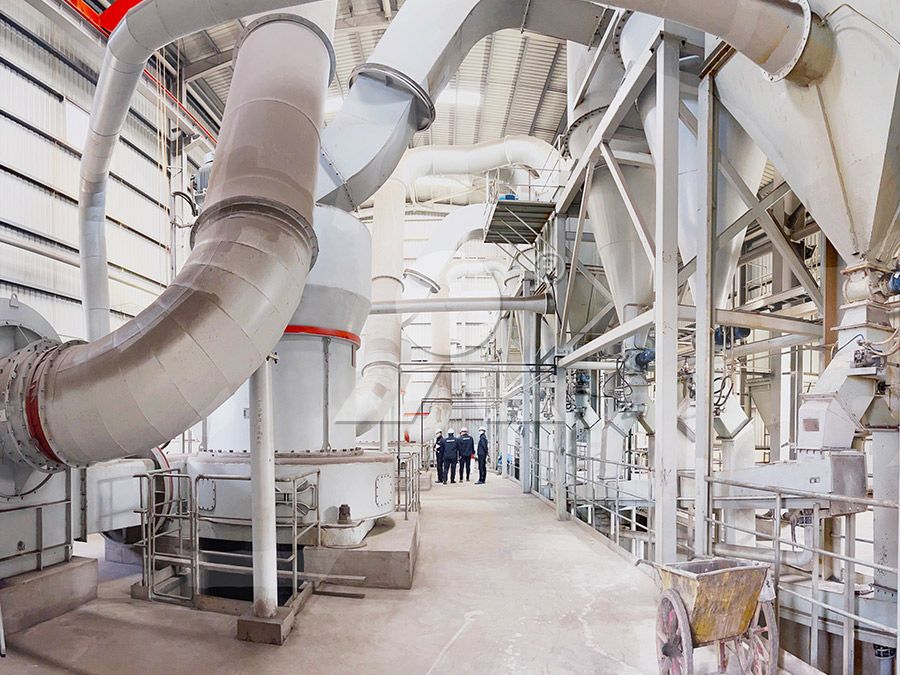
LM Vertical Mills are workhorses, ideal for large-scale production of medium-fine powders. They integrate crushing, drying, grinding, and classifying, saving significant floor space and energy—up to 40% less than a traditional ball mill. They are perfect for producing powders in the range of 80-400 mesh for industries like power plant desulfurization.
2. For Ultra-Fine Powder Production: MW & LUM Ultrafine Mills
When your application demands exceptionally fine and high-purity limestone powder, ultrafine grinding mills are the answer. For instance, our MW Ultrafine Grinding Mill is a standout performer. Designed for customers needing to make ultra-fine powder between 325-2500 meshes (d97≤5μm), it boasts features that set it apart.
The MW Mill operates with higher yielding and lower energy consumption—its production capacity is 40% higher than jet mills and double that of ball mills, while using only 30% of the energy of a jet mill. Its German-designed cage-type powder selector ensures precise separation. A significant advantage is its maintenance-friendly design: there are no rolling bearings or screws in the grinding chamber, eliminating common failure points and allowing for external lubrication without shutdown. Coupled with an efficient pulse dust collector, it ensures an eco-friendly, dust-free operation.
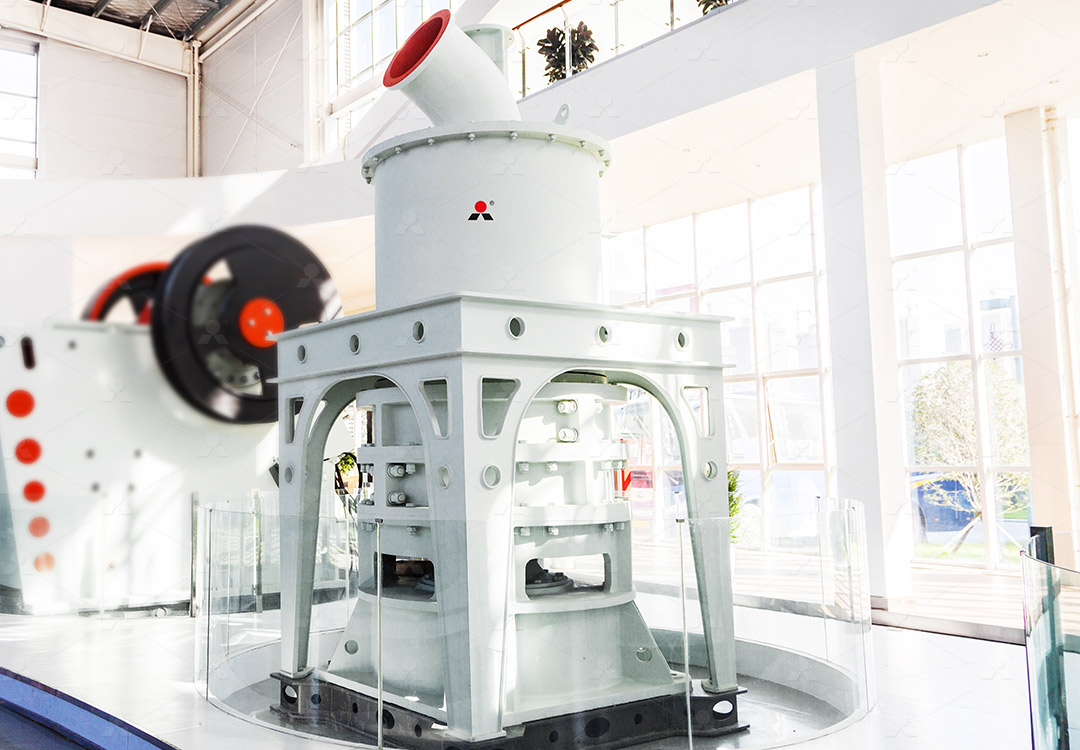
Key Specs for MW Ultrafine Mill: Input Size: 0-20 mm | Capacity: 0.5-25 tph
Another excellent option for ultra-fine processing is the LUM Ultrafine Vertical Grinding Mill. It combines advanced grinding roller and powder separating technology for superior efficiency and product quality, often achieving higher whiteness and cleanliness in the final product.
3. For Cost-Effective, Stable Milling: European Trapezium Mills (MTW Series)
MTW Mills offer a fantastic balance of performance, reliability, and cost. They are incredibly energy-efficient due to features like their low-resistance cage-type powder concentrator and elastic volute damping structure for stable operation. They are superb for producing fine powders in the 200-400 mesh range for construction materials like putty powder.
Making Your Final Decision
There’s no one-size-fits-all solution. A high-capacity vertical mill might be perfect for a mining operation supplying a power plant, while a sophisticated ultrafine mill like the MW Series is indispensable for a chemical company producing high-value additives.
Always consult with an application expert who can analyze your raw material and end-goals. Request test reports where possible to see how a specific mill performs with your limestone. Remember, the right investment upfront in the correct technology will lead to lower operating costs, higher quality products, and greater long-term returns.