
How to Choose the Right Grinding Mill for Ceramsite Sand Production
We provide a wide range of mills — including Raymond mill, trapezoidal mill, vertical mill, ultrafine mill, and ball mill, obtained ISO9001 international quality certification, EU CE certification, and Customs Union CU-TR certification. Suitable for processing minerals such as limestone, phosphate, quicklime, kaolin, talc, barite, bentonite, calcium carbonate, dolomite, coal, gypsum, clay, carbon black, slag, cement raw materials, cement clinker, and more.
The discharge range of these mills can be adjusted to meet specific processing needs, typically from 80-400 mesh, 600-3250 mesh, and can achieve the finest particle size of up to 6000 mesh(D50).
If you are looking for a reliable grinding solution to turn stone or minerals into fine powder, please feel free to contact our online customer service.
How to Choose the Right Grinding Mill for Ceramsite Sand Production
Selecting the optimal grinding mill for ceramsite sand production is a critical decision that directly impacts your operation’s efficiency, product quality, and bottom line. With various technologies available, understanding the key factors and matching them to your specific needs is paramount. This guide will walk you through the essential considerations.

Key Factors in Mill Selection
The ideal mill for your project depends on a combination of material characteristics and production goals. Here are the primary factors to evaluate:
- Desired Fineness: Ceramsite sand applications often require a specific particle size distribution. Determine the target fineness (e.g., 200 mesh, 325 mesh, or even finer) as this will narrow down your mill options significantly.
- Production Capacity: Your required throughput, measured in tons per hour (tph), is a fundamental driver. A mill must be sized correctly to meet your daily production targets without being over-sized, which wastes energy and capital.
- Raw Material Properties: Consider the hardness, moisture content, and feed size of your raw materials. Some mills are better suited for harder materials, while others excel at handling moist feed with integrated drying capabilities.
- Energy Consumption: Grinding can be an energy-intensive process. Modern mills are designed for higher efficiency, leading to substantial operational cost savings over the equipment’s lifetime.
- Operating and Maintenance Costs: Look beyond the initial purchase price. Consider the longevity of wear parts, ease of maintenance, and availability of spare parts to ensure long-term, worry-free operation.
Advanced Mill Technologies for Superior Ceramsite Sand
While traditional ball mills are common, advanced grinding technologies offer significant advantages in efficiency and product quality. For producers aiming for high-value, ultra-fine ceramsite sand, ultrafine grinding mills are often the superior choice.
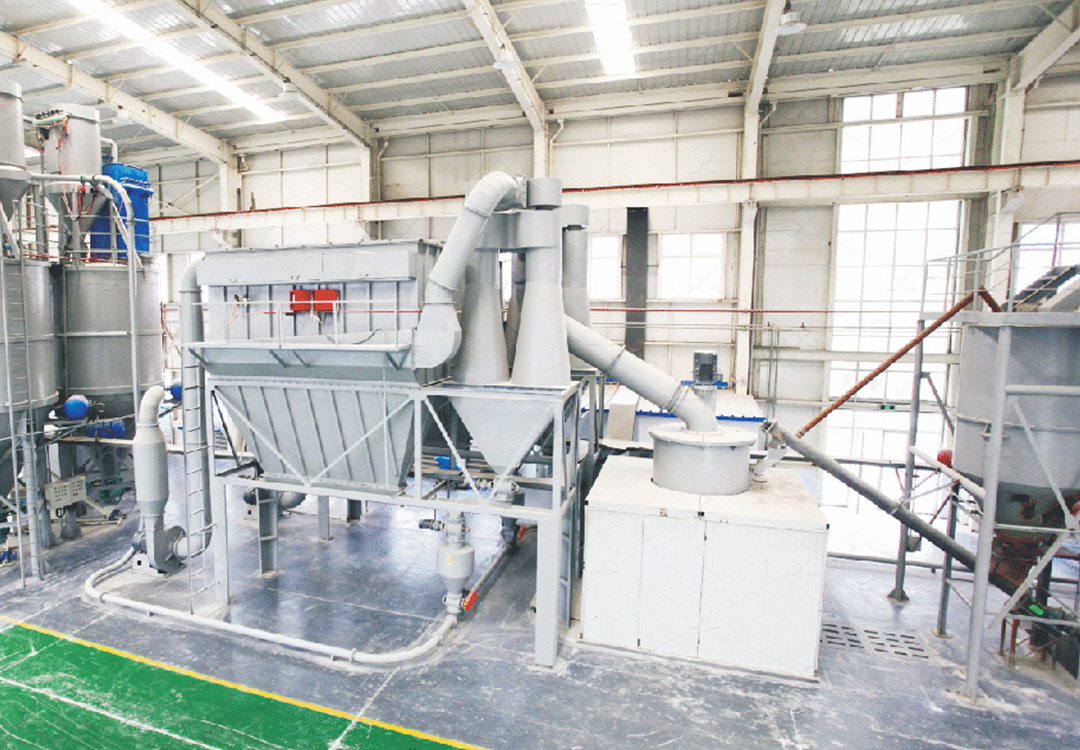
For operations prioritizing ultra-fine powder production with exceptional precision, the MW Ultrafine Grinding Mill stands out. This machine is engineered for customers who need to make ultra-fine powder between 325 and 2500 meshes. With an input size of 0-20 mm and a capacity range of 0.5-25 tph, it offers remarkable flexibility. Its design incorporates a German-technology cage-type powder selector for precise separation and higher yield at lower energy consumption—up to 40% higher capacity than jet mills. A significant advantage for continuous production is the absence of rolling bearings and screws in the grinding chamber, eliminating common failure points and allowing for external lubrication without shutdown.
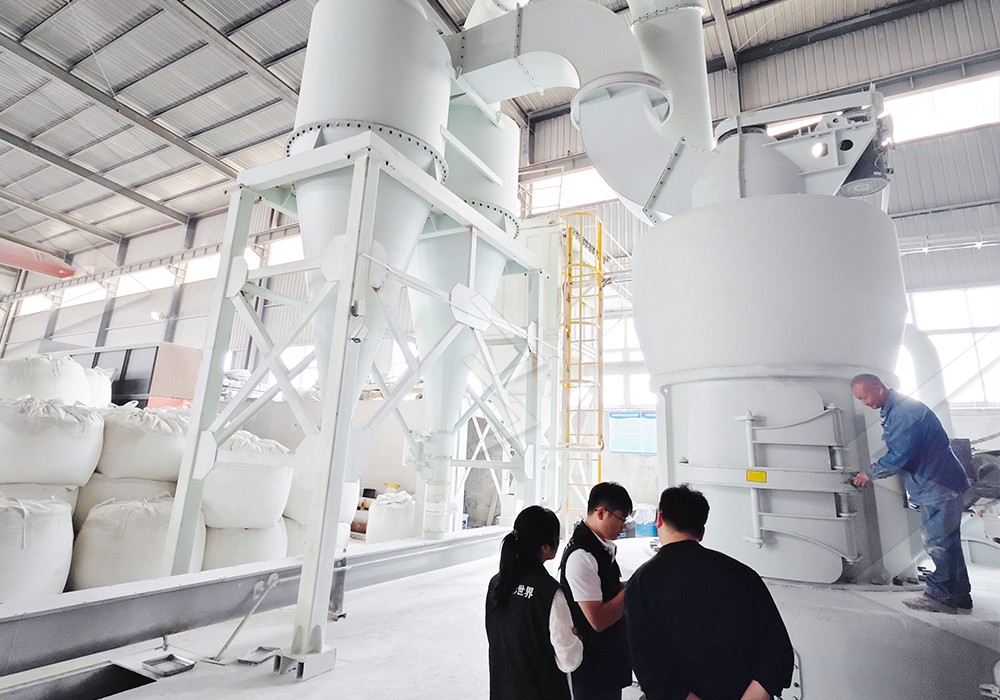
Another excellent option for achieving a fine, consistent product is the LUM Ultrafine Vertical Grinding Mill. Ideal for a feed size of 0-10 mm and capacities of 5-18 tph, the LUM mill integrates grinding, grading, and transporting. Its unique roller shell and lining plate grinding curve are designed to easily generate a material layer, enabling a high rate of finished product in a single pass. This design enhances efficiency and improves the whiteness and cleanliness of the final ceramsite sand, which is crucial for many industrial applications. The mill’s reversible structure also simplifies maintenance, allowing grinding rollers to be easily moved out for inspection or part replacement.
Making the Final Decision
After narrowing down the technology based on your technical requirements, the final selection should involve a thorough cost-benefit analysis. Request detailed quotations that include not only the equipment cost but also estimated installation, energy, and maintenance expenses. If possible, ask the manufacturer for case studies or references from similar ceramsite sand production sites. A reputable supplier will offer comprehensive technical support and guarantee the supply of genuine spare parts to ensure your investment is protected for years to come.
Frequently Asked Questions (FAQ)
What is the primary advantage of an ultrafine mill over a traditional ball mill for ceramsite sand?
Ultrafine mills like the MW series offer significantly higher grinding efficiency and energy savings (up to 30-40%) while producing a more consistent and finer powder. They are specifically designed for precision milling, whereas ball mills are more general-purpose and can have higher energy consumption and wear rates.
How important is the powder separator in a grinding mill?
Extremely important. The powder separator (or classifier) determines the final product’s fineness and particle size distribution. Advanced separators, like the cage-type used in the MW Mill, provide high precision, allowing you to accurately control the product specs and ensure a high yield of usable material.
Can these mills handle variations in raw material moisture?
This depends on the mill type. Vertical roller mills like the LUM often have better capabilities for handling materials with some moisture, especially if equipped with hot air systems. It’s critical to discuss your specific raw material properties with the manufacturer to ensure the chosen mill is appropriately configured.
What kind of maintenance should I expect?
Maintenance primarily involves inspecting and replacing wear parts like grinding rollers and rings. Modern mills are designed for easier maintenance. For example, the LUM Mill’s reversible structure allows rollers to be swung out for service, minimizing downtime. Always follow the manufacturer’s recommended maintenance schedule.