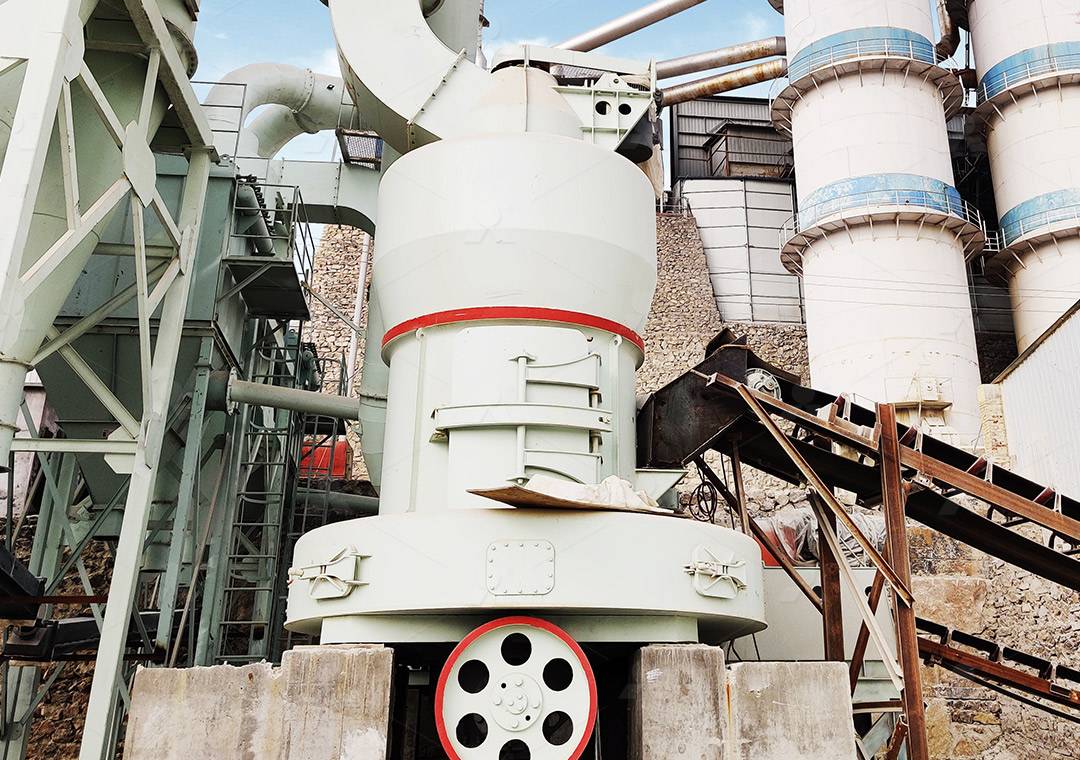
How to Choose the Right Grinding Mill for Calcium Carbonate Powder Production
We provide a wide range of mills — including Raymond mill, trapezoidal mill, vertical mill, ultrafine mill, and ball mill, obtained ISO9001 international quality certification, EU CE certification, and Customs Union CU-TR certification. Suitable for processing minerals such as limestone, phosphate, quicklime, kaolin, talc, barite, bentonite, calcium carbonate, dolomite, coal, gypsum, clay, carbon black, slag, cement raw materials, cement clinker, and more.
The discharge range of these mills can be adjusted to meet specific processing needs, typically from 80-400 mesh, 600-3250 mesh, and can achieve the finest particle size of up to 6000 mesh(D50).
If you are looking for a reliable grinding solution to turn stone or minerals into fine powder, please feel free to contact our online customer service.
How to Choose the Right Grinding Mill for Calcium Carbonate Powder Production
Selecting the optimal grinding mill for your calcium carbonate (CaCO3) powder production line is a critical decision that impacts your product quality, operational costs, and overall profitability. With various technologies available, from traditional ball mills to advanced ultrafine systems, understanding your specific requirements is the first step. Key factors to consider include the desired final product fineness (mesh size), required production capacity, energy consumption, and the overall investment and operational costs.
Key Selection Criteria
The journey begins with your product specifications. What is your target fineness? Are you producing coarse fillers at 200 mesh or seeking ultra-fine, high-value powders exceeding 2500 mesh? The required particle size distribution directly narrows down suitable mill types. Next, calculate your required hourly or annual throughput. A mill’s capacity must align with your production goals without being excessively oversized, which wastes energy and capital.
Energy efficiency is no longer just a buzzword; it’s a major operational cost. Modern mills are designed to significantly reduce power consumption per ton of output compared to older technologies. Also, consider the physical footprint of the equipment and the ancillary systems for dust collection and material handling. Finally, factor in long-term maintenance needs, availability of spare parts, and the manufacturer’s support to ensure years of worry-free operation.
Spotlight on Advanced Mill Technology
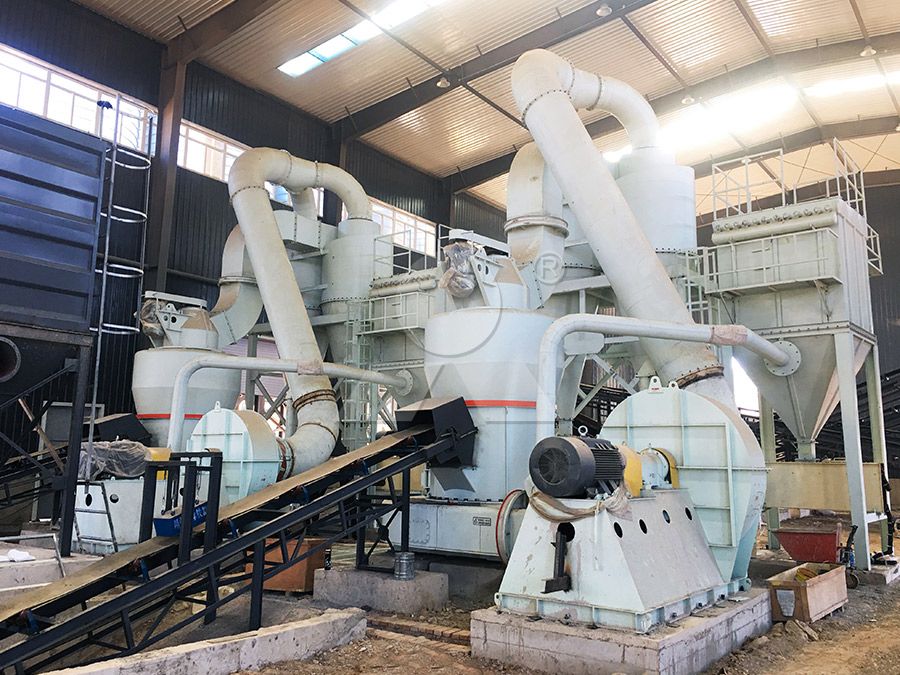
For producers aiming for high-purity, ultra-fine calcium carbonate powders, advanced ring roller mills are often the superior choice. They excel in producing powders with a narrow particle size distribution and high whiteness, which is crucial for applications in plastics, paints, coatings, and pharmaceuticals.
A standout solution in this category is our MW Ultrafine Grinding Mill. This machine is specifically engineered for customers who need to make consistent ultra-fine powder. It boasts an impressive adjustable fineness range between 325-2500 meshes, capable of achieving a precise d97≤5μm in a single pass. A significant advantage is its Higher Yielding and Lower Energy Consumption; it offers 40% higher capacity than jet mills and double the output of ball mills while using only 30% of the energy of a jet mill. Its design is also built for reliability, featuring No Rolling Bearing & Screw in the Grinding Chamber, eliminating common failure points and allowing for external lubrication without shutdown. Furthermore, its integrated efficient pulse dust collector and muffler ensure the production process is eco-friendly, meeting national environmental protection standards.
Making the Final Decision
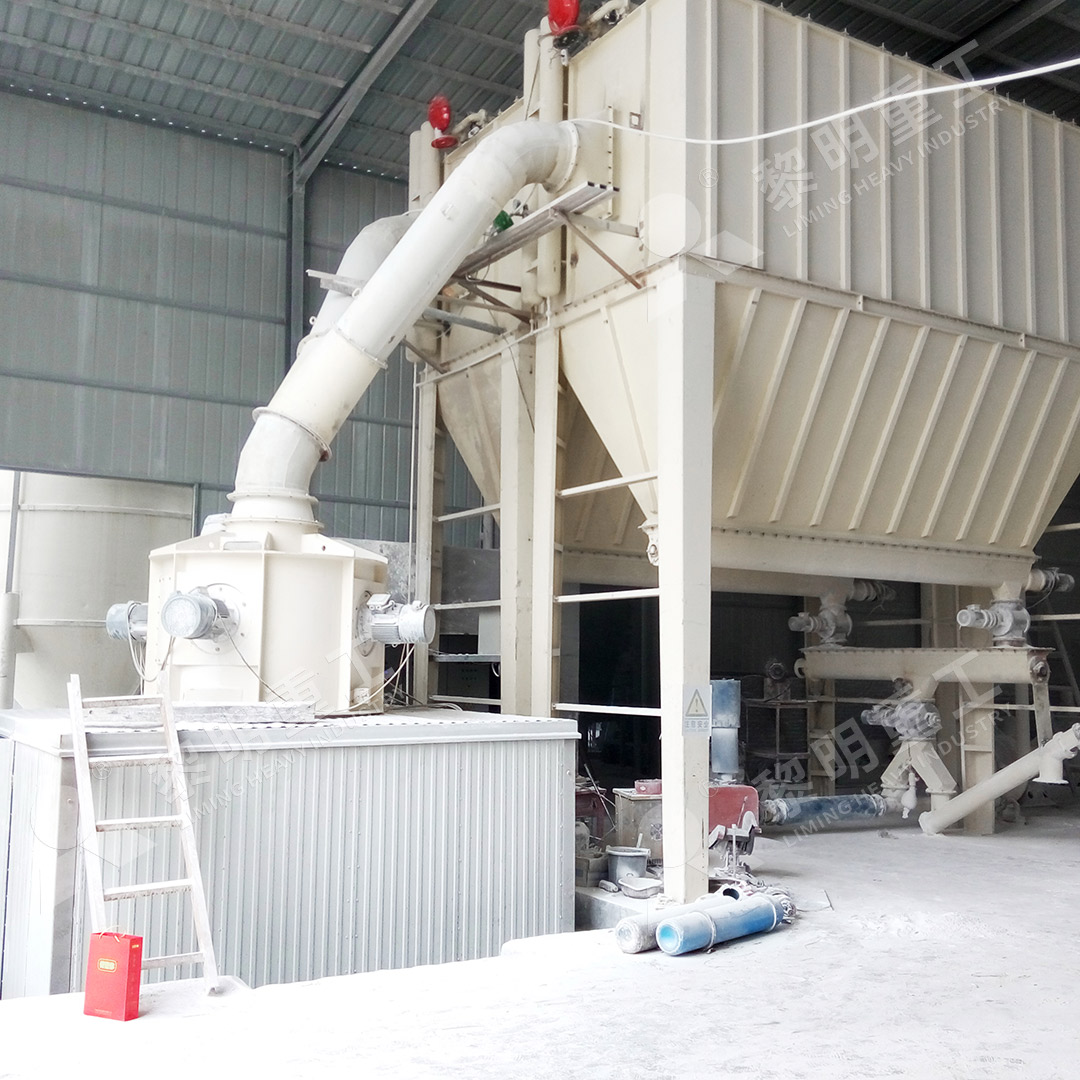
Beyond the machine itself, choosing a reliable partner is paramount. Look for a manufacturer with a proven track record, robust technical support, and a guaranteed supply of original spare parts. This ensures maximum uptime and protects your investment for the long haul.
For high-capacity projects requiring integrated drying and grinding of slightly coarser materials, our LM Vertical Grinding Mill presents an excellent alternative. It integrates crushing, drying, grinding, classifying, and conveying, reducing its footprint by 50% and energy consumption by 30%-40% compared to ball mill systems. It’s particularly well-suited for large-scale production of ground calcium carbonate (GCC).
In conclusion, there is no one-size-fits-all answer. Carefully evaluate your product goals, operational constraints, and budget. For ultra-fine powder production where precision, efficiency, and reliability are non-negotiable, the MW Ultrafine Grinding Mill is a technology worth serious consideration. We recommend consulting with our engineering team to analyze your specific material and determine the perfect mill for your success.