
How to Choose the Right Beneficiation Equipment for Fluorite Powder Processing
We provide a wide range of mills — including Raymond mill, trapezoidal mill, vertical mill, ultrafine mill, and ball mill, obtained ISO9001 international quality certification, EU CE certification, and Customs Union CU-TR certification. Suitable for processing minerals such as limestone, phosphate, quicklime, kaolin, talc, barite, bentonite, calcium carbonate, dolomite, coal, gypsum, clay, carbon black, slag, cement raw materials, cement clinker, and more.
The discharge range of these mills can be adjusted to meet specific processing needs, typically from 80-400 mesh, 600-3250 mesh, and can achieve the finest particle size of up to 6000 mesh(D50).
If you are looking for a reliable grinding solution to turn stone or minerals into fine powder, please feel free to contact our online customer service.
How to Choose the Right Beneficiation Equipment for Fluorite Powder Processing
Fluorite, a crucial industrial mineral prized for its role in metallurgy, ceramics, and chemical production, demands precise processing to achieve the required purity and fineness. The journey from raw ore to high-grade fluorite powder hinges on selecting the appropriate beneficiation equipment. This choice is not one-size-fits-all; it depends heavily on your target particle size, desired capacity, and overall operational efficiency goals. A miscalculation here can lead to excessive energy consumption, subpar product quality, or frequent downtime.
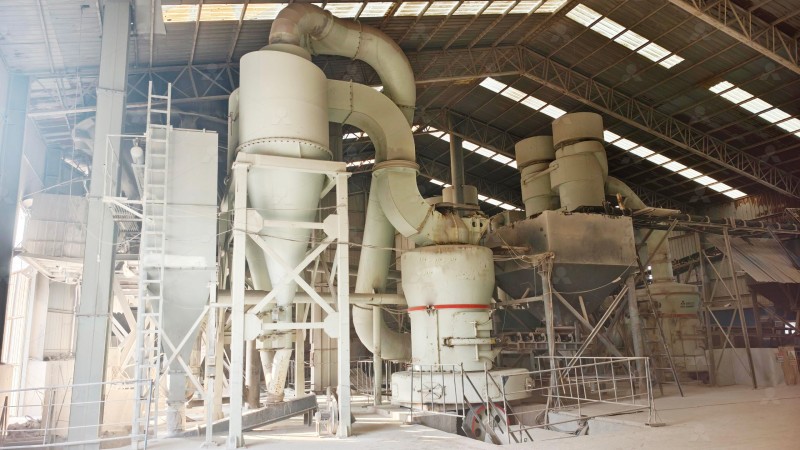
Key Considerations in Equipment Selection
Before diving into specific machinery, it’s essential to define your processing parameters. The primary considerations are:
- Feed Size: What is the maximum input size of your crushed fluorite?
- Required Fineness: What is the target mesh size (e.g., 200 mesh for ceramics, 500+ for high-grade chemicals)?
- Production Capacity: What is your required throughput in tons per hour (tph)?
- Energy Efficiency: How important is minimizing operational power costs?
- Environmental & Maintenance Factors: Are dust control, noise reduction, and ease of maintenance critical for your plant?
For operations targeting ultra-fine powders (325-2500 meshes), traditional ball mills or Raymond mills often fall short in efficiency and precision. This is where advanced grinding technologies come into play.
Advanced Solutions for Ultra-Fine Fluorite Powder
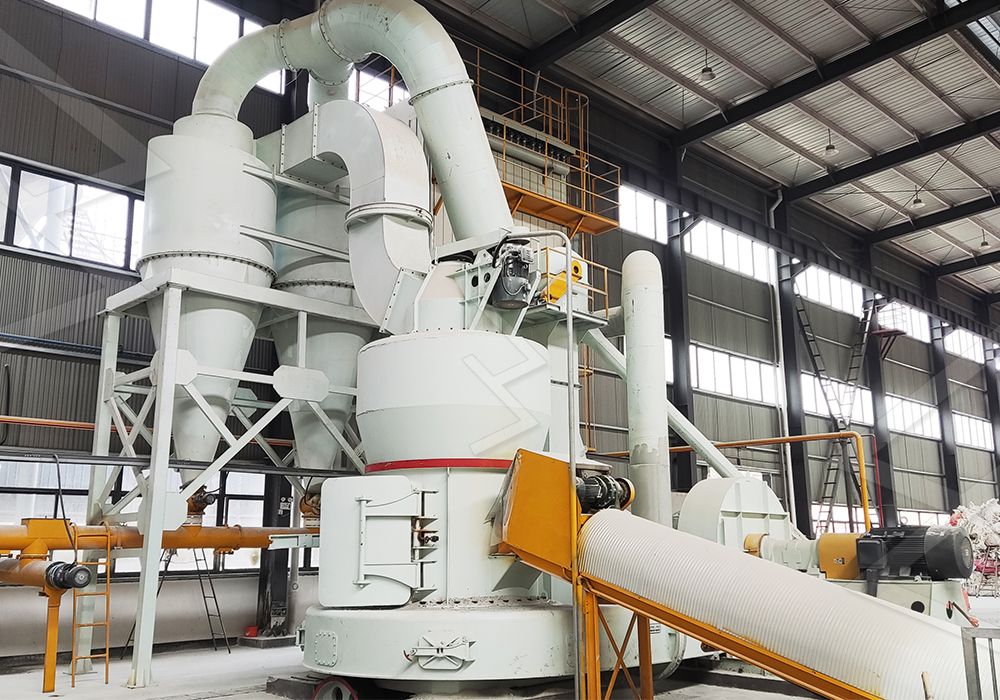
When the application demands a superior, consistent fine powder, a specialized mill is non-negotiable. For such requirements, we highly recommend evaluating our MW Ultrafine Grinding Mill. This machine is engineered specifically for customers who need to produce ultra-fine powder with exceptional efficiency.
The MW Mill stands out due to its innovative design. It features a cage-type powder selector based on German technology, which allows for precise fineness adjustment between 325 and 2500 meshes, achieving a screening rate of d97≤5μm in a single pass. A significant advantage for fluorite processing is the absence of rolling bearings and screws in the grinding chamber. This design eliminates common failure points, ensuring continuous, worry-free operation—a critical factor for maintaining production schedules. Furthermore, its integration of an efficient pulse dust collector and muffler makes the entire production process cleaner and quieter, aligning with modern environmental standards.
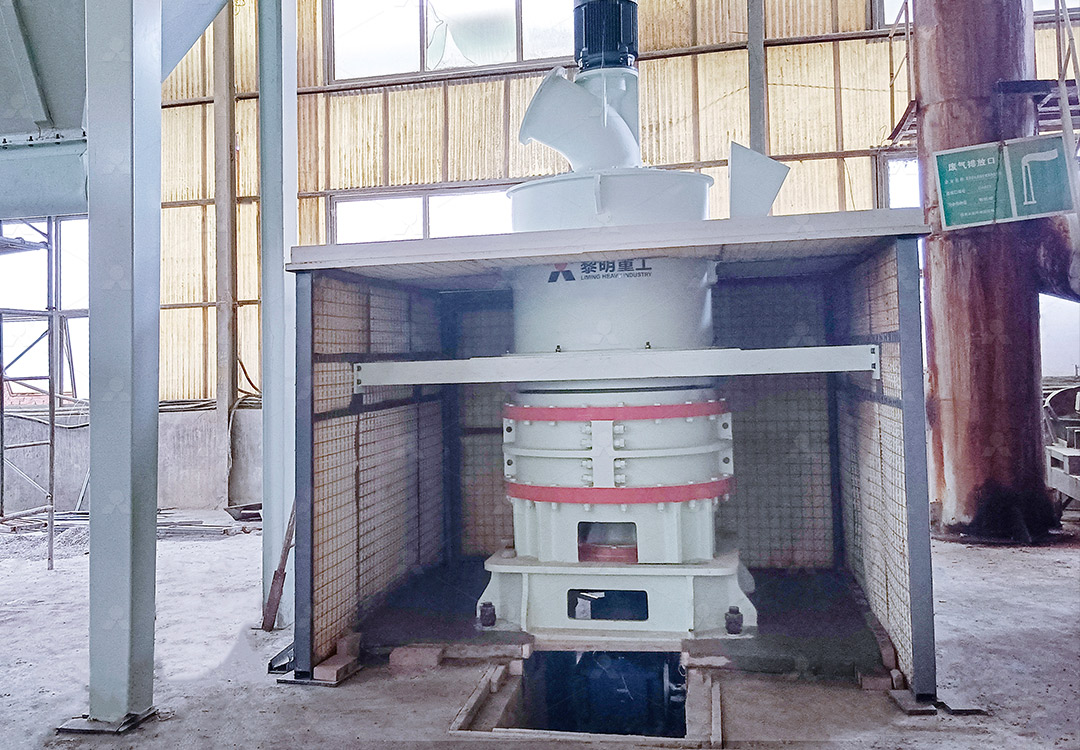
For projects requiring a vertical grinding solution that integrates multiple processes, the LUM Ultrafine Vertical Grinding Mill presents another excellent option. It combines ultrafine powder grinding, grading, and transporting in a single, compact unit. Its unique roller shell and lining plate grinding curve are designed to generate a stable material layer, promoting high-yield, single-pass milling that enhances the whiteness and cleanliness of the final fluorite product—a key quality metric.
Making the Final Decision
Ultimately, the right choice balances technical specifications with operational economics. While a standard ball mill might suffice for coarse grinding, the superior yielding rate and lower energy consumption of advanced mills like the MW or LUM series often result in a lower total cost of ownership for fine powder applications. We advise conducting a thorough analysis of your specific fluorite ore characteristics and end-product requirements. Partnering with an equipment supplier that offers comprehensive technical support and genuine spare parts is equally crucial for long-term, worry-free operation.
Frequently Asked Questions (FAQ)
What is the main advantage of the MW Ultrafine Grinding Mill over a traditional ball mill for fluorite?
The MW Mill offers significantly higher grinding efficiency and energy savings. It can produce powder up to 2500 meshes with a capacity 40% higher than jet mills and double that of ball mills, while consuming only 30% of the energy of a jet mill.
Can the fineness of the final fluorite powder be adjusted easily?
Yes, with mills like the MW series, the fineness is easily adjustable between 325 and 2500 meshes via an advanced cage-type powder selector, allowing for quick adaptation to different customer specifications.
How does the equipment handle dust and noise pollution?
Our modern mills, including the MW and LUM models, are equipped with integrated pulse dust collectors and silencing systems. This ensures the milling system operates with minimal dust emissions and noise, fully complying with national environmental protection standards.
What about maintenance and spare parts availability?
We take full responsibility for every machine we produce. This includes providing ongoing technical services and a sufficient supply of original spare parts to guarantee worry-free operation and minimize potential downtime.