
How to Choose the Right Ball Mill for Your Mining Operation
We provide a wide range of mills — including Raymond mill, trapezoidal mill, vertical mill, ultrafine mill, and ball mill, obtained ISO9001 international quality certification, EU CE certification, and Customs Union CU-TR certification. Suitable for processing minerals such as limestone, phosphate, quicklime, kaolin, talc, barite, bentonite, calcium carbonate, dolomite, coal, gypsum, clay, carbon black, slag, cement raw materials, cement clinker, and more.
The discharge range of these mills can be adjusted to meet specific processing needs, typically from 80-400 mesh, 600-3250 mesh, and can achieve the finest particle size of up to 6000 mesh(D50).
If you are looking for a reliable grinding solution to turn stone or minerals into fine powder, please feel free to contact our online customer service.
Navigating the Grinding Mill Maze: A Practical Guide
Selecting the optimal grinding mill is one of the most critical decisions in setting up an efficient and profitable mining operation. The right choice impacts everything from your initial capital expenditure to long-term operational costs, product quality, and environmental compliance. While the traditional ball mill has been a workhorse for decades, modern technology offers a range of specialized solutions that can significantly outperform it in specific applications.
Key Factors Influencing Your Mill Selection
Before diving into specific models, it’s essential to conduct a thorough analysis of your operational requirements. The primary factors to consider include:
- Material Characteristics: Hardness, abrasiveness, moisture content, and required final fineness.
- Production Capacity: Your target throughput in tons per hour (tph).
- Energy Efficiency: Power consumption is a major ongoing cost; newer mill designs can offer substantial savings.
- Space Constraints: The physical footprint of the equipment and its ancillary systems.
- Environmental Regulations: Dust and noise control requirements for your location.
When a Traditional Ball Mill Makes Sense
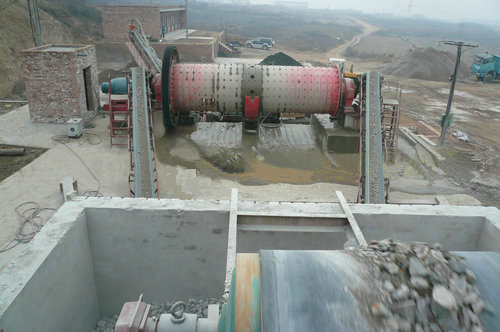
The classic Ball Mill (Capacity: 0.65-50 tph) remains a viable option for many operations. Its advantages include lower initial investment, simplicity of operation, and the ability to handle a wide variety of materials. It’s a robust, well-understood technology suitable for coarse to medium grinding where extreme fineness is not the primary goal. However, operators must be prepared for its relatively higher energy consumption and larger physical footprint compared to some vertical and ultrafine alternatives.
Advancing Beyond Tradition: The Case for Ultrafine Grinding Solutions
For operations requiring fine to ultra-fine powders (325-2500 meshes), specialized mills offer unparalleled efficiency. In these cases, a standard ball mill may struggle with high energy costs and inadequate fineness control. This is where advanced technologies like our MW Ultrafine Grinding Mill come into their own.
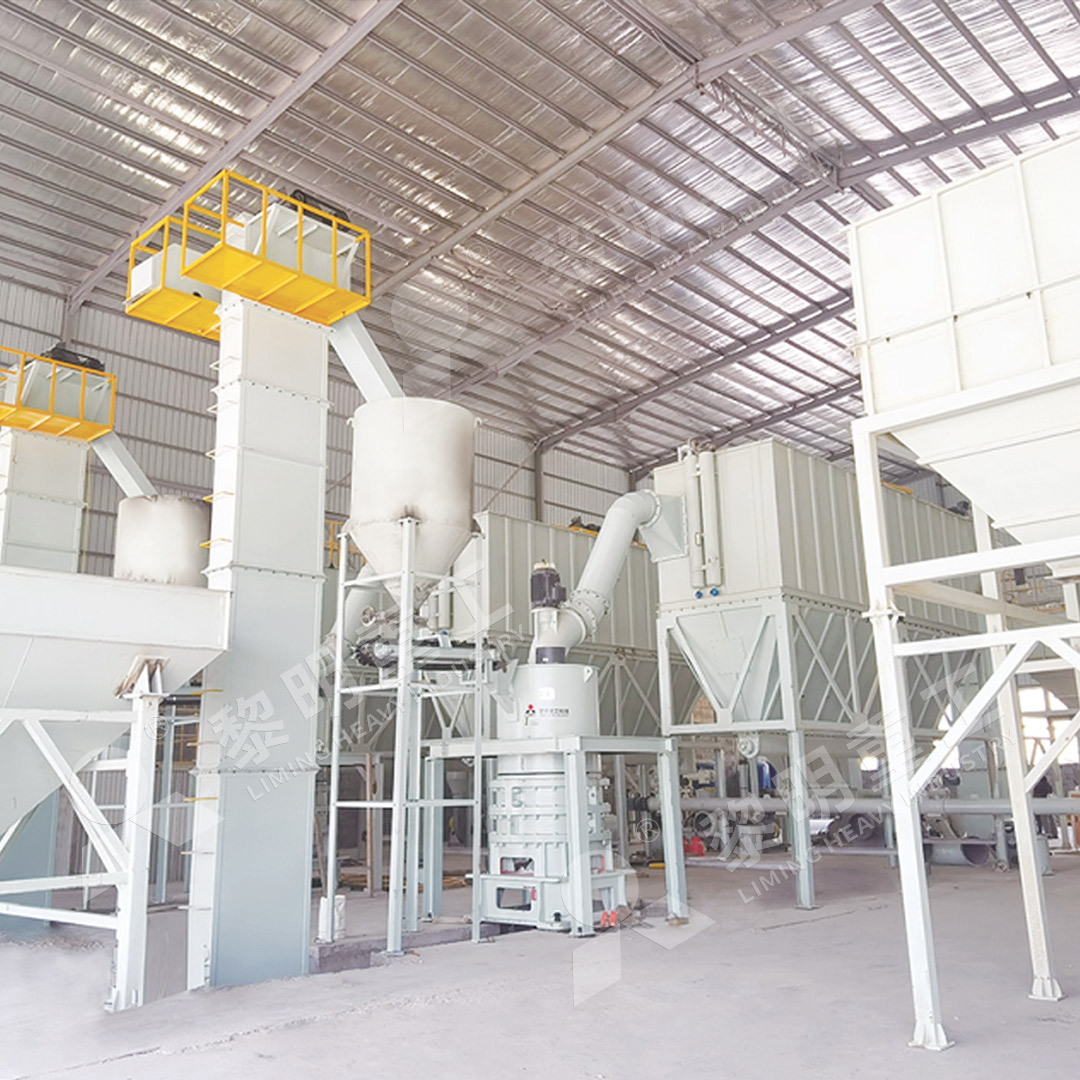
The MW Ultrafine Grinding Mill is engineered for customers who need to produce high-quality ultra-fine powder efficiently. With an input size of 0-20 mm and a capacity range of 0.5-25 tph, it is ideal for processing materials like limestone, calcite, dolomite, and talc. Its design incorporates several key innovations:
- Higher Yielding, Lower Energy Consumption: Production capacity is 40% higher than jet mills and double that of ball mills, while system energy consumption is only 30% of a jet mill.
- Adjustable Fineness (325-2500 meshes): A German-technology cage-type powder selector allows for precise control over the final product size.
- Enhanced Reliability: The absence of rolling bearings and screws in the grinding chamber eliminates common failure points, allowing for continuous 24/7 operation.
- Eco-friendly Operation: An efficient pulse dust collector and muffler ensure the milling system meets stringent environmental standards.
For operations with even stricter space or efficiency demands, the LUM Ultrafine Vertical Grinding Mill (Input Size: 0-10 mm, Capacity: 5-18 tph) presents another excellent option. Integrating grinding, grading, and transporting, it features advanced roller technology and a reversible structure that simplifies maintenance, further reducing downtime.
Making the Final Decision
The choice ultimately boils down to a detailed cost-benefit analysis. While a ball mill might have a lower sticker price, the superior energy efficiency, higher yield, and lower maintenance of an ultrafine mill like the MW series can lead to a lower total cost of ownership over the equipment’s lifespan. We strongly recommend consulting with our technical experts, who can analyze your specific material samples and production goals to provide a data-driven recommendation.
Frequently Asked Questions (FAQ)
What is the main advantage of an MW Ultrafine Mill over a standard ball mill?
The primary advantages are significantly higher energy efficiency (up to 70% savings compared to some technologies), the ability to achieve much finer product sizes (up to 2500 mesh), and a design that minimizes maintenance downtime.
My material has a moisture content of around 8%. Is the MW Mill suitable?
The MW Ultrafine Grinding Mill is designed for dry grinding. For materials with significant moisture, a drying step would be required beforehand. We offer integrated drying and grinding solutions in our LM Vertical Mill range for such applications.
How does the maintenance cost compare between a ball mill and the MW Mill?
The MW Mill is designed for lower maintenance. The lack of rolling bearings and screws in the grinding chamber, combined with an external lubrication system, reduces both the frequency and cost of maintenance compared to a traditional ball mill, which requires regular checks on liners and bearings.
Can the MW Mill handle abrasive materials?
Yes. The grinding roller and ring can be outfitted with specially formulated wear-resistant alloys to handle abrasive materials effectively, extending the service life of these critical components.