
How to Choose the Right 20tph Anthracite Coal Mill for Your South African Operation
We provide a wide range of mills — including Raymond mill, trapezoidal mill, vertical mill, ultrafine mill, and ball mill, obtained ISO9001 international quality certification, EU CE certification, and Customs Union CU-TR certification. Suitable for processing minerals such as limestone, phosphate, quicklime, kaolin, talc, barite, bentonite, calcium carbonate, dolomite, coal, gypsum, clay, carbon black, slag, cement raw materials, cement clinker, and more.
The discharge range of these mills can be adjusted to meet specific processing needs, typically from 80-400 mesh, 600-3250 mesh, and can achieve the finest particle size of up to 6000 mesh(D50).
If you are looking for a reliable grinding solution to turn stone or minerals into fine powder, please feel free to contact our online customer service.
Navigating the Critical Choice of Anthracite Coal Milling in South Africa
South Africa’s industrial landscape, particularly its mining and energy sectors, demands robust and efficient processing equipment. When it comes to preparing anthracite coal for applications ranging from fuel injection to industrial heating, selecting the right grinding mill is a decision that directly impacts operational efficiency, product quality, and your bottom line. A target capacity of 20 tons per hour (tph) is a common requirement for mid-to-large-scale operations, making the choice of mill even more critical.
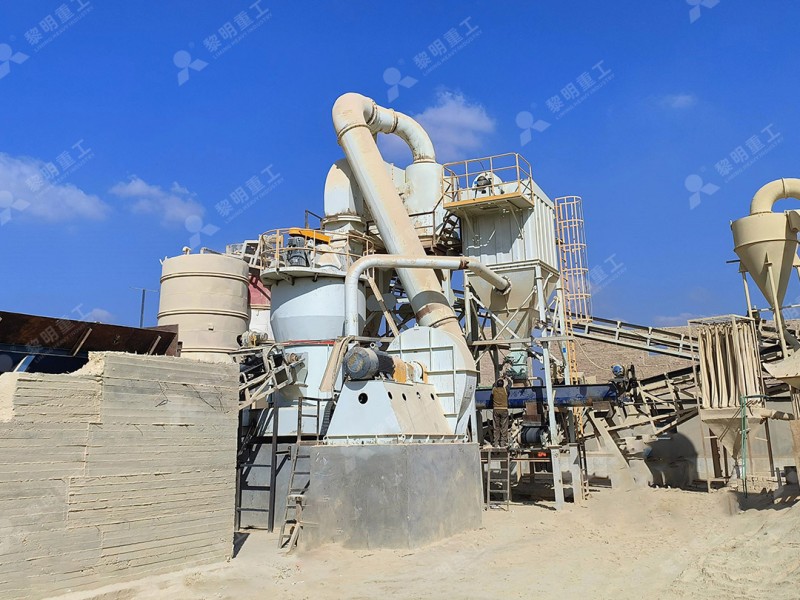
Key Considerations for Your 20tph Anthracite Coal Mill
Anthracite coal is known for its high carbon content, high density, and hard, brittle nature. These characteristics present specific challenges for grinding equipment. The ideal mill must not only achieve the desired 20tph throughput but also produce a consistent fineness, often required to be very fine (e.g., 200 mesh or finer) for efficient combustion or chemical processes. Beyond capacity, you must evaluate:
- Energy Consumption: High-efficiency grinding translates directly to lower electricity costs, a significant factor in South Africa.
- Wear and Maintenance: The abrasive nature of coal demands a mill with durable, easily maintainable wear parts to minimize downtime.
- Environmental Compliance: Modern operations must adhere to strict dust and noise emission standards.
- Moisture Content: Some mills offer integrated drying capabilities, which can be crucial if your raw coal has high moisture.
A Prime Solution: The MW Ultrafine Grinding Mill
For operations requiring a fine, high-quality anthracite coal powder, the MW Ultrafine Grinding Mill presents an exceptional solution. Engineered for customers who need to make ultra-fine powder, this machine is particularly well-suited for anthracite. With a capacity range of 0.5-25 tph, it comfortably meets the 20tph target. Its design incorporates several advantages critical for South African operations.
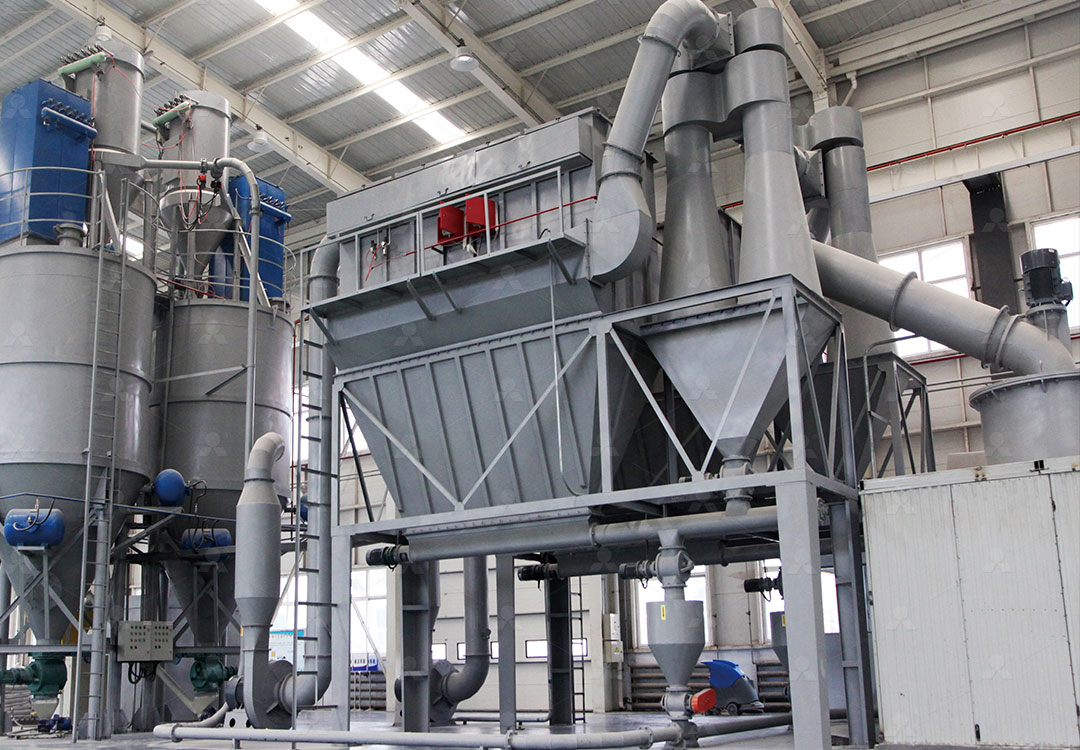
The MW Mill achieves Higher Yielding and Lower Energy Consumption through newly designed grinding curves, offering 40% higher capacity than jet mills with system energy consumption only 30% of the latter. Its cage-type powder selector allows for adjustable fineness between 325-2500 meshes, ensuring you can produce the exact specification required by your clients. Furthermore, the absence of rolling bearings and screws in the grinding chamber eliminates common failure points, enhancing reliability. For environmental stewardship, the mill is equipped with an efficient pulse dust collector and muffler, ensuring a clean and compliant operation.
Alternative Options for Specific Needs
While the MW series is ideal for ultra-fine requirements, other scenarios might call for different technologies. For instance, if your operation involves slightly larger feed sizes or prioritizes a vertical footprint, the LUM Ultrafine Vertical Grinding Mill is another strong contender. With a capacity of 5-18 tph, it integrates grinding, grading, and transporting with advanced powder separating technology. Its reversible structure allows for easier maintenance, a valuable feature for minimizing operational disruptions.
Making the Final Decision
Choosing the right mill is not just about specifications on paper. It involves considering the total cost of ownership, including installation, power draw, spare parts availability, and local technical support. Partnering with a manufacturer that has a proven track record in the region and can provide comprehensive after-sales service is paramount for long-term success.
Frequently Asked Questions (FAQ)
Q1: Why is the MW Mill recommended for fine anthracite coal powder?
A: The MW Ultrafine Grinding Mill is specifically designed for ultra-fine powder production. Its high-precision powder selector and efficient grinding mechanism ensure a consistent, fine product (adjustable between 325-2500 meshes) that is ideal for advanced applications of anthracite coal, all while consuming less energy than alternative technologies.
Q2: Can these mills handle the potential variability in South African anthracite coal hardness?
A: Yes. Mills like the MW and LUM series are built with robust materials and advanced grinding curves to handle hard and abrasive materials effectively. The hydraulic or spring-loaded pressure systems can be adjusted to accommodate variations in material hardness, ensuring stable operation and product quality.
Q3: How significant are the environmental benefits of the integrated dust collection system?
A: Extremely significant. The efficient pulse dust collector ensures no dust pollution during operation, which is crucial for meeting South Africa’s environmental regulations and protecting workers’ health. This integrated approach is more effective and reliable than add-on external systems.
Q4: What about after-sales support and spare parts availability in South Africa?
A: It is critical to select a supplier with a strong local presence or reliable distribution channels. A reputable manufacturer will guarantee a sufficient supply of original spare parts and provide timely technical services to ensure worry-free operation and minimize costly downtime.