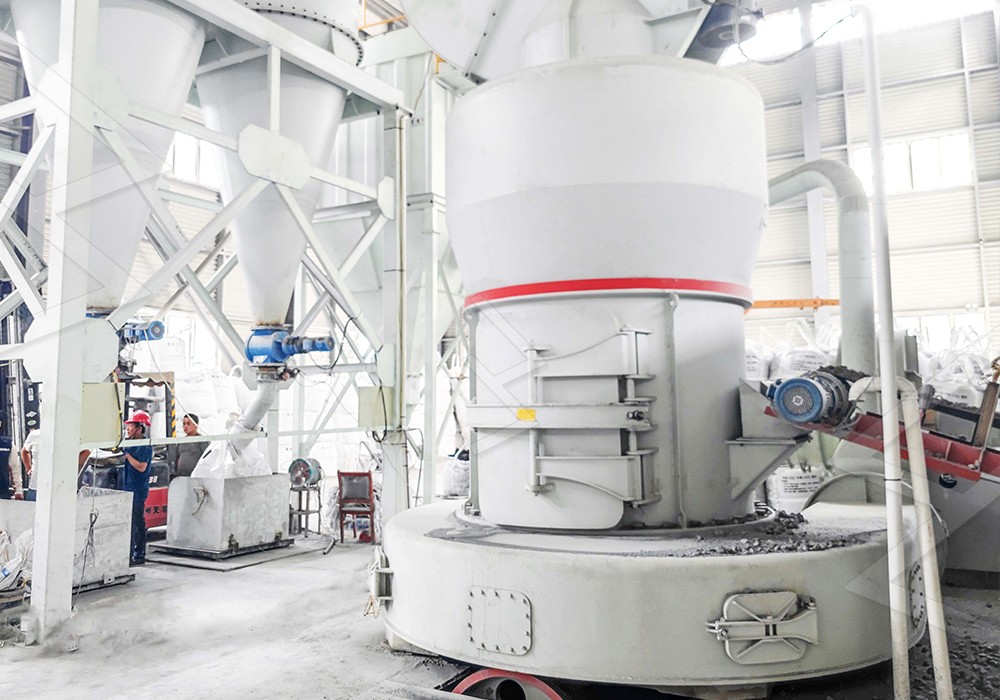
How to Choose the Best Limestone Raymond Mill Manufacturer
We provide a wide range of mills — including Raymond mill, trapezoidal mill, vertical mill, ultrafine mill, and ball mill, obtained ISO9001 international quality certification, EU CE certification, and Customs Union CU-TR certification. Suitable for processing minerals such as limestone, phosphate, quicklime, kaolin, talc, barite, bentonite, calcium carbonate, dolomite, coal, gypsum, clay, carbon black, slag, cement raw materials, cement clinker, and more.
The discharge range of these mills can be adjusted to meet specific processing needs, typically from 80-400 mesh, 600-3250 mesh, and can achieve the finest particle size of up to 6000 mesh(D50).
If you are looking for a reliable grinding solution to turn stone or minerals into fine powder, please feel free to contact our online customer service.
How to Choose the Best Limestone Raymond Mill Manufacturer
Selecting the right limestone grinding mill manufacturer is crucial for optimizing your production efficiency, product quality, and operational costs. The market offers numerous options, but not all manufacturers deliver the same level of quality, innovation, and support. This guide outlines key factors to consider, helping you make an informed decision that aligns with your operational goals and budget.
Key Selection Criteria
When evaluating potential manufacturers, prioritize those with a proven track record, robust R&D capabilities, and comprehensive after-sales support. The ideal partner should offer advanced technology, energy-efficient solutions, and reliable machinery built to last.
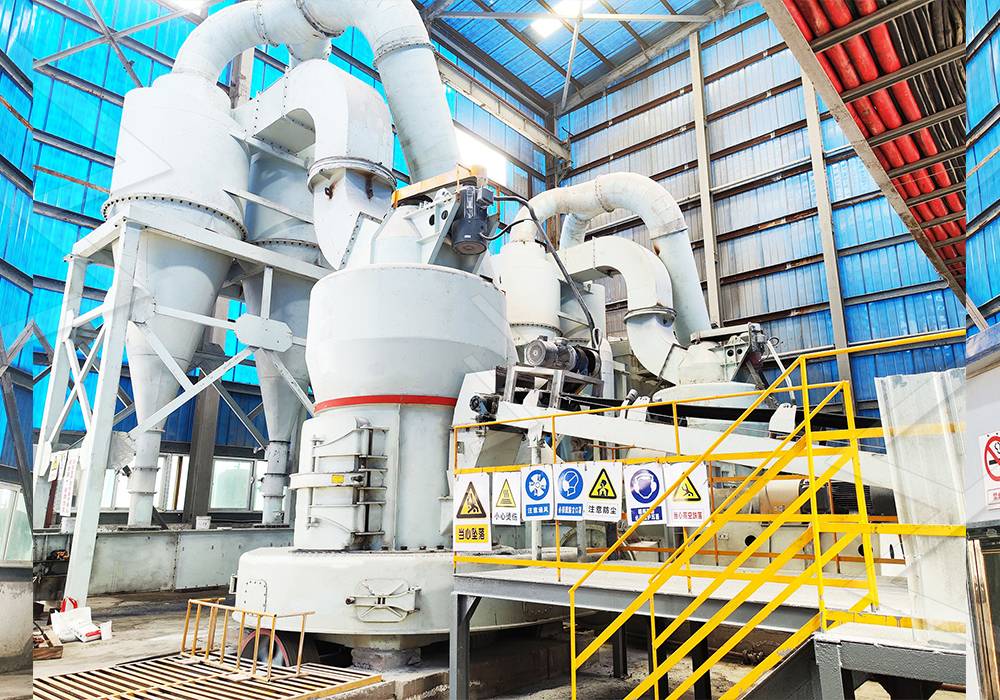
Technological Innovation and Mill Performance
Modern limestone processing demands mills that combine high throughput with precision grinding. Look for manufacturers that integrate the latest grinding technologies, such as advanced powder separators and automated control systems. These features ensure consistent particle size distribution and reduce energy consumption.
For operations requiring ultra-fine limestone powder, the MW Ultrafine Grinding Mill stands out. Designed for customers needing to produce ultra-fine powder, this mill handles inputs up to 20 mm with a capacity ranging from 0.5 to 25 tph. It features an efficient pulse dust collector and muffler, minimizing environmental impact. Its cage-type powder selector, leveraging German technology, allows adjustable fineness between 325–2500 meshes, achieving a screening rate of d97≤5μm in a single pass. With 40% higher production capacity compared to jet mills and double the output of ball mills, it significantly lowers system energy consumption.
Durability and Ease of Maintenance
A mill’s design directly affects its longevity and maintenance requirements. Opt for models with wear-resistant components and accessible parts to minimize downtime. For instance, mills without rolling bearings or screws in the grinding chamber, like the MW series, eliminate concerns about bearing damage or loose hardware, enabling 24/7 operation with external lubrication.
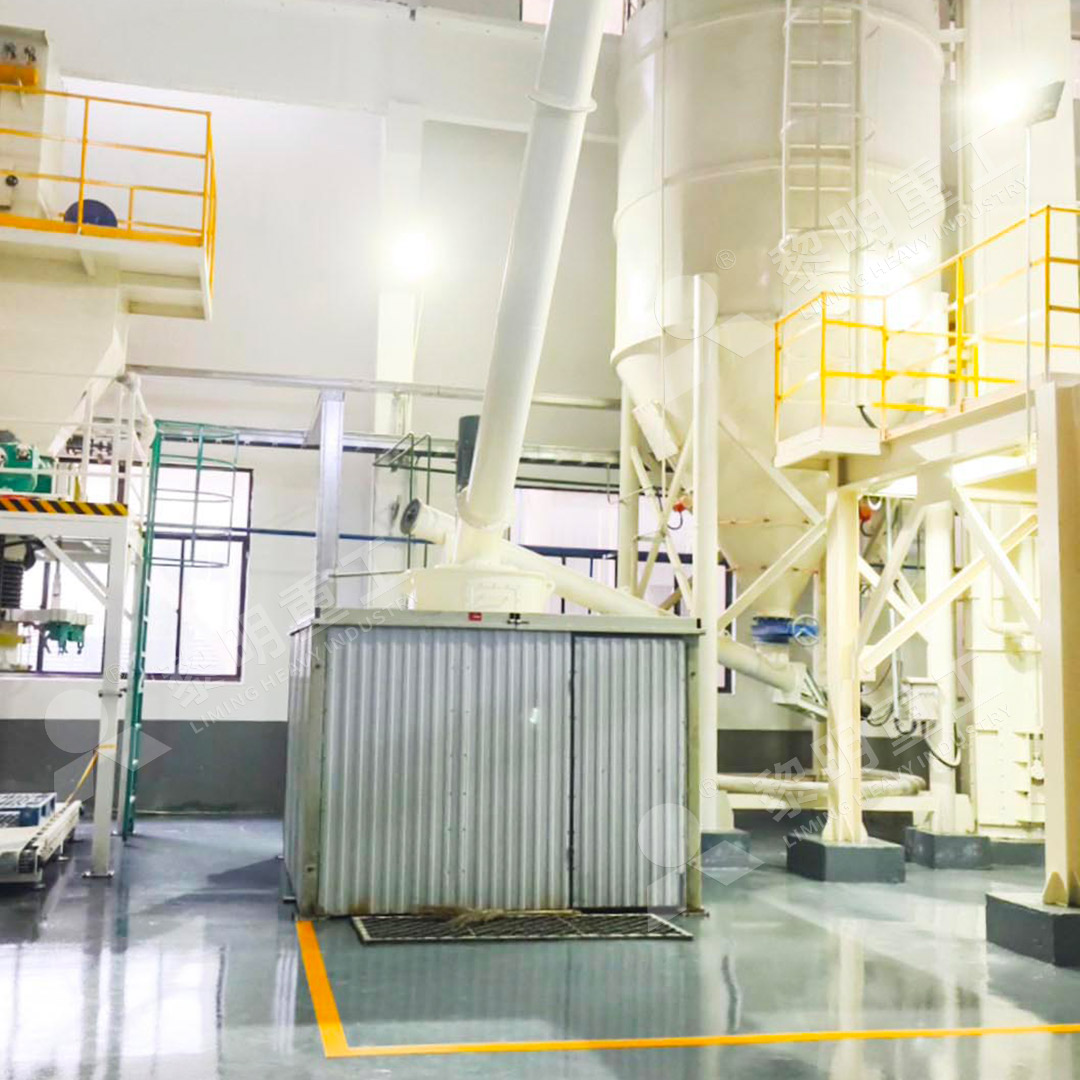
Environmental Compliance and Operational Safety
Manufacturers committed to sustainability incorporate features that reduce dust, noise, and energy use. The MW Ultrafine Grinding Mill, for example, employs a pulse dust collector to prevent pollution and includes silencers to meet national environmental standards. Such considerations not only protect your workforce but also ensure regulatory compliance.
After-Sales Support and Spare Parts Availability
Reliable manufacturers back their products with technical services and genuine spare parts. LIMING, for instance, oversees both production and sales, ensuring worry-free operation through readily available components and expert assistance. This support is vital for maintaining peak performance and avoiding prolonged disruptions.
Frequently Asked Questions (FAQ)
What fineness can I achieve with the MW Ultrafine Grinding Mill?
The MW mill allows adjustable fineness between 325–2500 meshes, with a screening rate achieving d97≤5μm in one pass, ideal for high-precision applications.
How does the MW mill reduce operational costs?
It consumes 30% less energy than jet mills and offers higher yield efficiency, while its maintenance-friendly design (e.g., no internal screws or bearings) cuts downtime.
Is the MW mill suitable for other materials besides limestone?
Yes, it processes calcite, dolomite, gypsum, barite, talc, and more, making it versatile for chemical, cosmetic, and food additive industries.