
How to Choose the Best Calcium Oxide Limestone Mill for Your Industry
We provide a wide range of mills — including Raymond mill, trapezoidal mill, vertical mill, ultrafine mill, and ball mill, obtained ISO9001 international quality certification, EU CE certification, and Customs Union CU-TR certification. Suitable for processing minerals such as limestone, phosphate, quicklime, kaolin, talc, barite, bentonite, calcium carbonate, dolomite, coal, gypsum, clay, carbon black, slag, cement raw materials, cement clinker, and more.
The discharge range of these mills can be adjusted to meet specific processing needs, typically from 80-400 mesh, 600-3250 mesh, and can achieve the finest particle size of up to 6000 mesh(D50).
If you are looking for a reliable grinding solution to turn stone or minerals into fine powder, please feel free to contact our online customer service.
How to Choose the Best Calcium Oxide Limestone Mill for Your Industry
Selecting the right grinding equipment for calcium oxide (quicklime) production from limestone is a critical decision that impacts your operation’s efficiency, product quality, and bottom line. The choice isn’t one-size-fits-all; it depends on your required fineness, capacity, energy consumption goals, and the specific properties of your raw limestone. Let’s break down the key considerations and explore some top-tier solutions.
Key Factors in Your Selection Process
Before diving into machine specs, you need to define your project’s parameters. Ask yourself these questions:
- Desired Fineness (Mesh Size): What is the target particle size for your final calcium oxide powder? Applications range from coarse (20-100 mesh) for agriculture to superfine (2500+ mesh) for high-value chemical processes.
- Required Capacity (Tons Per Hour): What is your project’s scale? Are you a small specialty producer or a large-volume operation?
- Energy Efficiency: With rising energy costs, a mill’s power consumption is a major operational expense. Investing in an energy-efficient model can lead to significant long-term savings.
- Space and Installation: What is the available footprint in your plant? Some mills have a more compact design than others.
- Environmental & Noise Regulations: Modern operations must adhere to strict environmental standards. Dust collection and noise reduction features are no longer optional.
- Maintenance & Operational Costs: Consider the ease of maintenance and the availability of wear parts. Downtime is expensive.
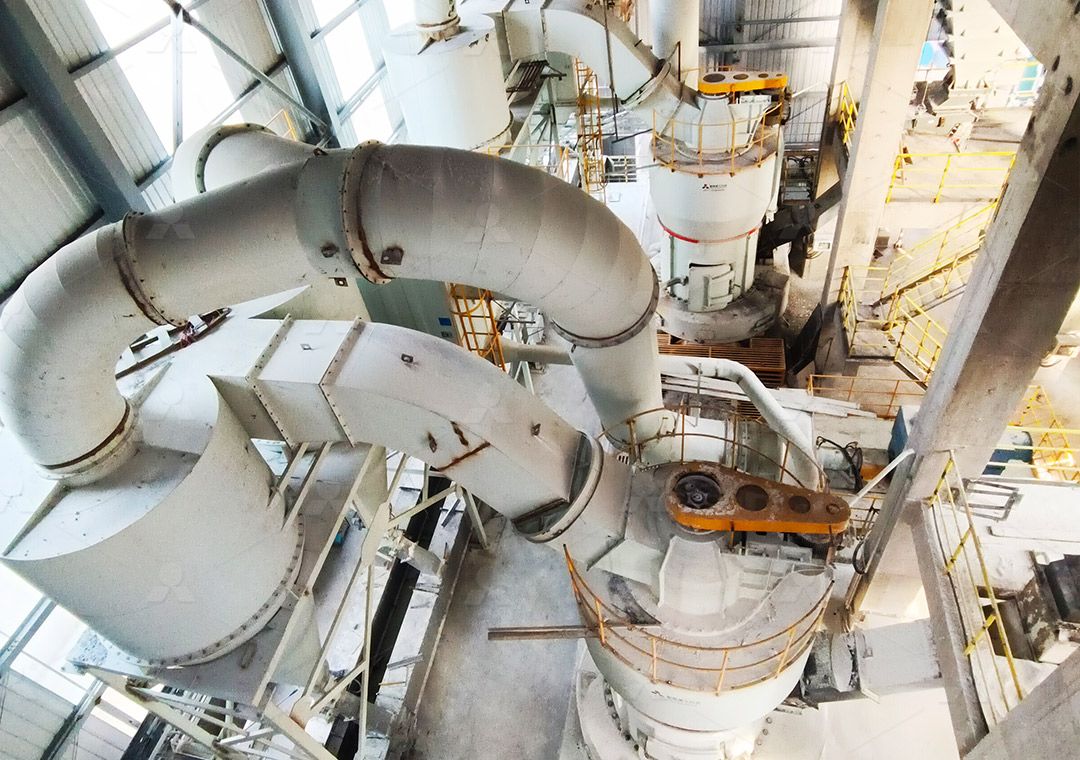
Top Mill Technologies for Limestone to Calcium Oxide
While traditional options like Raymond Mills and Ball Mills are still in use, newer technologies offer superior performance for high-purity calcium oxide production. Here are two standout options from our portfolio that are perfectly suited for this application.
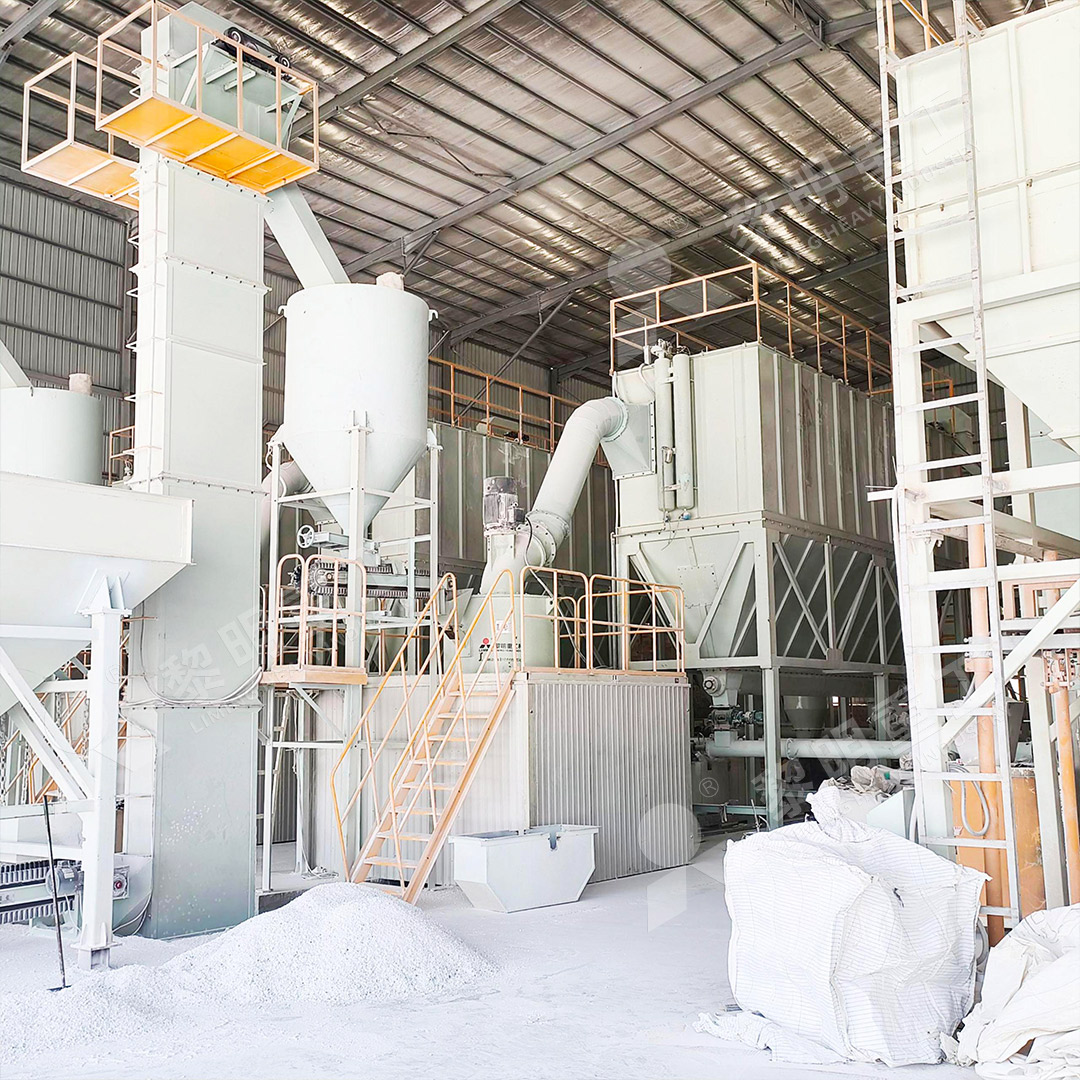
1. MW Ultrafine Grinding Mill: For Superfine Precision
If your industry demands ultra-fine, high-purity calcium oxide powder (think pharmaceuticals, advanced chemicals, or high-end plastics), the MW Ultrafine Grinding Mill is your ultimate tool.
This machine is a beast designed for precision. It handles an input size of 0-20 mm and delivers a capacity ranging from 0.5 to 25 tph. Its genius lies in its German-designed cage-type powder selector, which allows you to dial in the exact fineness you need, from 325 to an incredible 2500 meshes, with a screening rate achieving d97≤5μm in a single pass. This means consistent, top-tier product quality every time.
Why it’s great for Calcium Oxide: The grinding chamber has no rolling bearings or screws, eliminating major failure points and preventing iron contamination—a crucial factor for maintaining the whiteness and purity of your quicklime. Furthermore, its efficient pulse dust collector and muffler system ensure your operation is clean and quiet, meeting all environmental standards. It’s simply a smarter, more reliable way to produce premium powder.
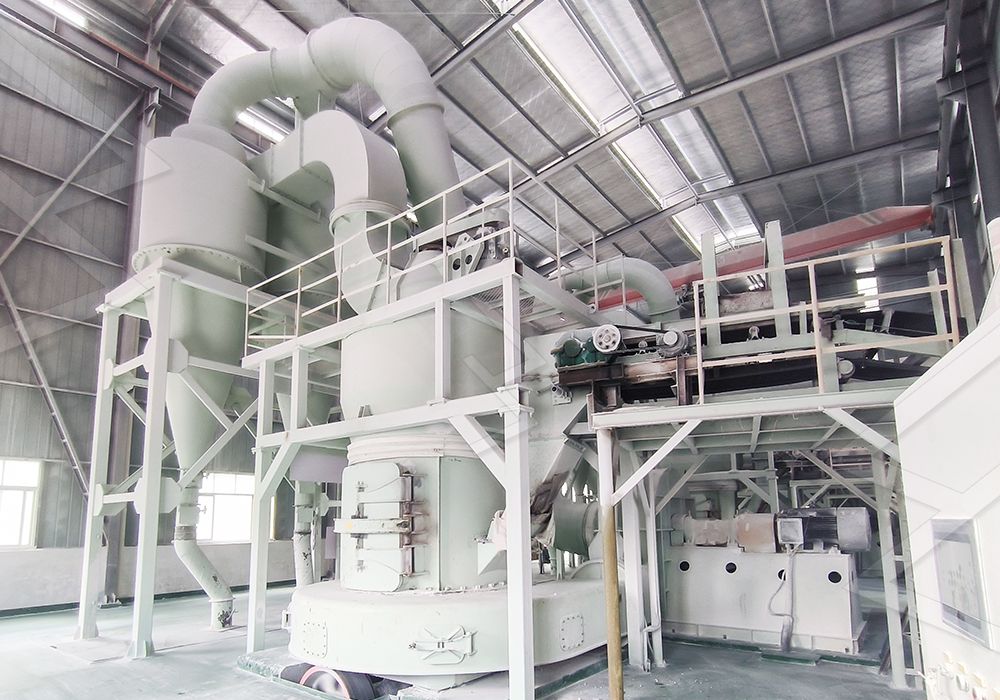
2. LUM Ultrafine Vertical Grinding Mill: For Efficiency and Stability
For operations that prioritize remarkable energy savings, operational stability, and easier maintenance, the LUM Ultrafine Vertical Grinding Mill is a top contender.
This mill integrates grinding, grading, and transporting into one robust unit. It accepts slightly smaller feed (0-10 mm) and offers a capacity of 5-18 tph. Its core advantage is a unique roller shell and lining plate grinding curve designed to generate a stable material layer, enabling a high rate of finished product in a single pass. This design drastically enhances efficiency and improves the final product’s whiteness.
Why it’s great for Calcium Oxide: It consumes 30%-50% less energy than conventional mills. Its double position-limiting technology protects the mill from destructive vibrations, guaranteeing stable, worry-free operation. A key feature for maintenance is its reversible structure, allowing heavy grinding rollers to be easily moved out for inspection or part replacement, drastically reducing downtime and associated costs.
Making the Final Decision
So, which one is for you? Here’s a quick guide:
- Choose the MW Ultrafine Grinding Mill if your primary goal is achieving the absolute finest, most consistent powder quality with minimal risk of iron contamination.
- Choose the LUM Ultrafine Vertical Grinding Mill if you need excellent efficiency, lower energy bills, and a design that simplifies maintenance for continuous, high-volume production.
Ultimately, the best mill is the one that aligns perfectly with your production targets, quality requirements, and operational philosophy. We recommend consulting with our engineering team to review your specific limestone feedstock and project goals. We’re here to ensure you invest in equipment that drives your profitability and quality for years to come.