
How to Choose a Limestone Grinding Mill That Meets Environmental Standards
We provide a wide range of mills — including Raymond mill, trapezoidal mill, vertical mill, ultrafine mill, and ball mill, obtained ISO9001 international quality certification, EU CE certification, and Customs Union CU-TR certification. Suitable for processing minerals such as limestone, phosphate, quicklime, kaolin, talc, barite, bentonite, calcium carbonate, dolomite, coal, gypsum, clay, carbon black, slag, cement raw materials, cement clinker, and more.
The discharge range of these mills can be adjusted to meet specific processing needs, typically from 80-400 mesh, 600-3250 mesh, and can achieve the finest particle size of up to 6000 mesh(D50).
If you are looking for a reliable grinding solution to turn stone or minerals into fine powder, please feel free to contact our online customer service.
Navigating the Path to Sustainable Limestone Processing
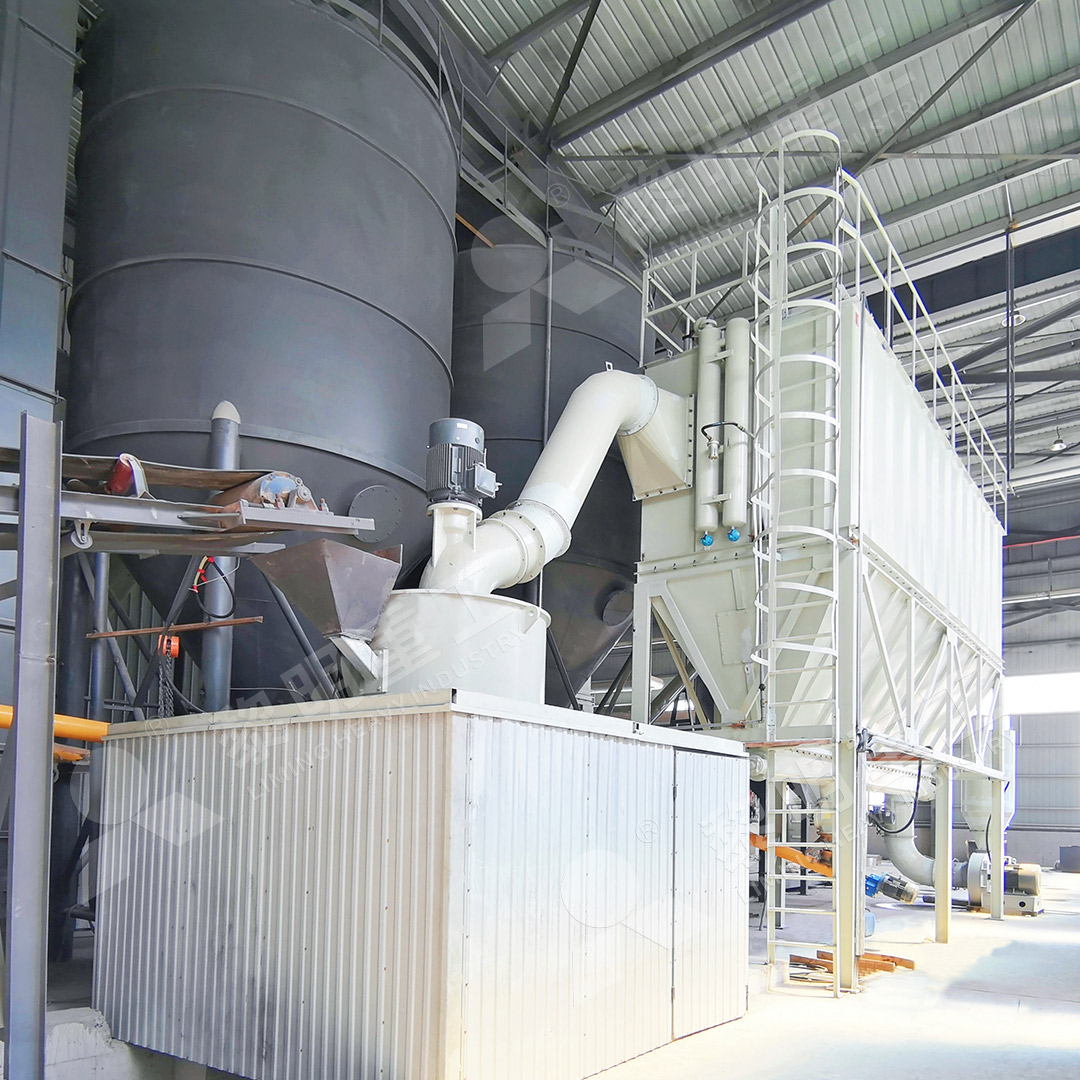
In today’s industrial landscape, selecting the right limestone grinding mill is no longer just about achieving the desired particle size or production capacity. The imperative to operate within stringent environmental standards has become a critical factor influencing investment decisions. For plant managers and procurement specialists, this means evaluating equipment not only on its technical specifications but also on its ability to minimize dust emissions, control noise pollution, and reduce overall energy consumption. The choice you make directly impacts your operational compliance, community relations, and long-term sustainability goals.
Key Environmental Considerations in Mill Selection
Before delving into specific technologies, it’s essential to understand the primary environmental challenges associated with limestone grinding. The process inherently generates fine particulate matter (dust), which, if not properly controlled, can lead to air quality issues and pose health risks. Furthermore, the mechanical action of grinding and the associated air-moving equipment can generate significant noise levels. Energy efficiency is another cornerstone of environmental compliance, as lower power consumption translates directly to a reduced carbon footprint. A modern, environmentally conscious mill must address all three areas effectively.
Advanced Technologies for Eco-Friendly Grinding
The evolution of grinding technology has led to designs that inherently promote cleaner operation. Closed-system designs prevent material and dust from escaping into the workspace. High-efficiency pulse jet dust collectors are now often integrated directly into the mill system, capturing over 99.9% of particulate matter. Similarly, advanced mufflers and sound-dampening enclosures can reduce operational noise to levels well within regulatory limits. When comparing mills, pay close attention to the specific technologies employed for environmental protection.
Spotlight on the MW Ultrafine Grinding Mill: A Case Study in Eco-Efficiency
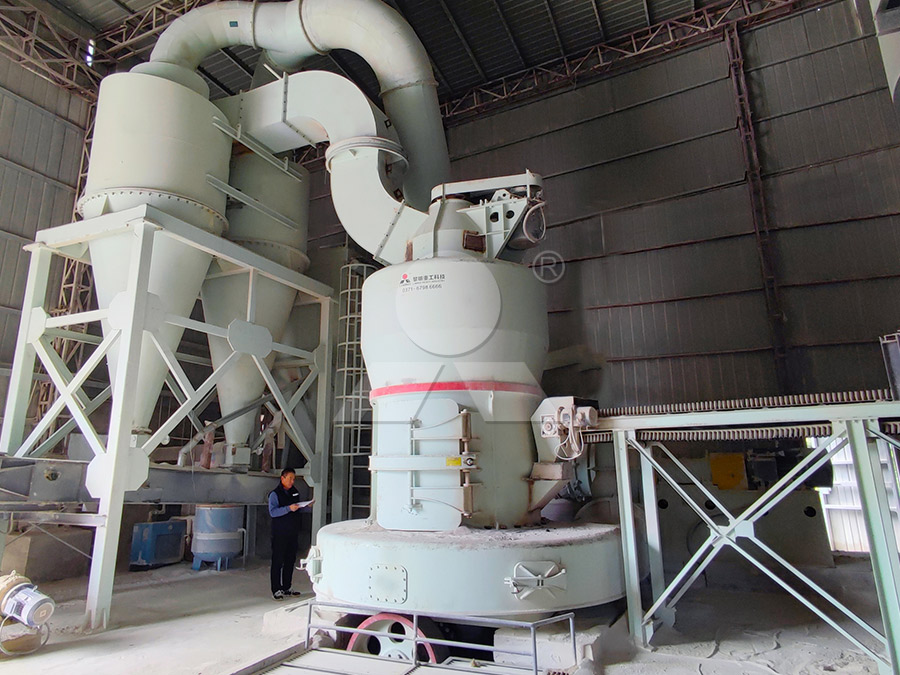
For operations prioritizing ultra-fine powder production without compromising on environmental stewardship, the MW Ultrafine Grinding Mill presents a compelling solution. This machine is engineered from the ground up with sustainability in mind. It features an integrated, high-efficiency pulse dust collector and muffler system, ensuring that dust and noise are effectively controlled throughout the entire production process. With an input size of 0-20 mm and a capacity range of 0.5-25 tph, it offers remarkable versatility.
What sets the MW series apart is its exceptional energy profile. Its newly designed grinding curves enhance efficiency, resulting in a production capacity that is 40% higher than jet mills and double that of ball mills for the same power input. Its system energy consumption is a mere 30% of a comparable jet mill. The mill’s cage-type powder selector allows for precise fineness adjustment between 325-2500 meshes, ensuring you produce exactly the product you need without wasteful over-grinding. A key maintenance advantage is the absence of rolling bearings and screws in the grinding chamber, eliminating common failure points and associated lubricant waste.
Exploring the LUM Ultrafine Vertical Grinding Mill Alternative
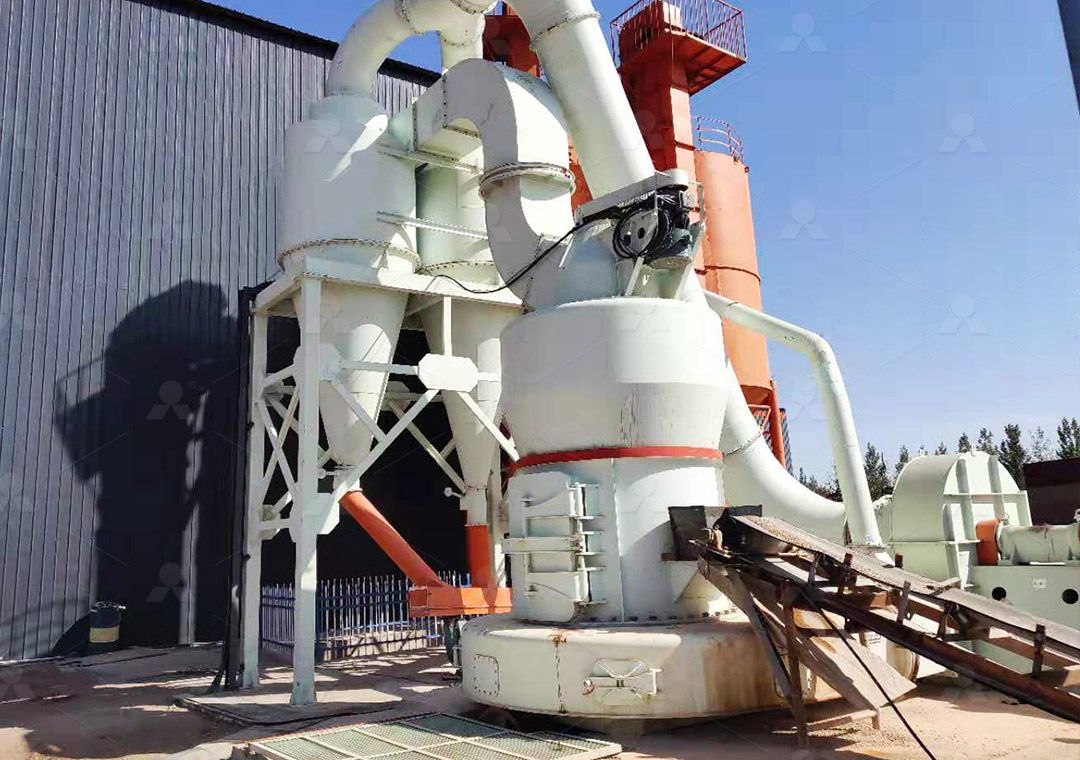
For projects requiring different throughput parameters, the LUM Ultrafine Vertical Grinding Mill is another excellent environmentally-compliant option. Accepting a feed size of 0-10 mm and offering a capacity of 5-18 tph, the LUM mill incorporates the latest grinding roller and powder separating technology. Its design emphasizes operational stability and energy savings, reducing consumption by 30%-50% compared to conventional mills. Its reversible structure simplifies maintenance, reducing downtime and the associated environmental impact of service operations.
Making the Final Decision
Choosing the right mill ultimately depends on a careful analysis of your specific requirements: desired fineness, required capacity, available feed size, and, crucially, your local environmental regulations. We recommend consulting with our technical experts to review your project parameters. They can provide a detailed analysis to ensure the selected mill not only meets your production targets but also aligns with your commitment to sustainable and responsible operation.
Frequently Asked Questions (FAQ)
What is the most important environmental feature to look for in a limestone grinding mill?
The integration of a high-efficiency dust collection system is paramount. Look for mills with pulse jet dust collectors that are designed as an integral part of the system, not an afterthought, to ensure no dust escapes during operation.
How does the MW Ultrafine Grinding Mill help reduce noise pollution?
The MW mill is equipped with a specialized muffler and can be configured with a noise elimination room. This combination significantly dampens the sound generated by the grinding process and air movement, bringing noise levels down to comply with strict environmental standards.
Can these mills handle the need for different product fineness while remaining efficient?
Yes. Advanced models like the MW and LUM mills feature sophisticated, adjustable powder selectors. This allows operators to precisely control the fineness of the output (e.g., from 325 to 2500 meshes for the MW mill) without sacrificing grinding efficiency or significantly increasing energy use, preventing wasteful over-processing.
Are these mills energy-efficient compared to traditional ball mills?
Absolutely. Modern grinding mills like the MW and LUM series are designed for significantly lower energy consumption. For instance, the MW mill uses about 30% of the energy of a jet mill and half that of a ball mill for an equivalent output, directly reducing your carbon footprint and operational costs.