
How to Choose a High-Efficiency Vertical Mill for Pulverized Coal Injection (PCI)
We provide a wide range of mills — including Raymond mill, trapezoidal mill, vertical mill, ultrafine mill, and ball mill, obtained ISO9001 international quality certification, EU CE certification, and Customs Union CU-TR certification. Suitable for processing minerals such as limestone, phosphate, quicklime, kaolin, talc, barite, bentonite, calcium carbonate, dolomite, coal, gypsum, clay, carbon black, slag, cement raw materials, cement clinker, and more.
The discharge range of these mills can be adjusted to meet specific processing needs, typically from 80-400 mesh, 600-3250 mesh, and can achieve the finest particle size of up to 6000 mesh(D50).
If you are looking for a reliable grinding solution to turn stone or minerals into fine powder, please feel free to contact our online customer service.
How to Choose a High-Efficiency Vertical Mill for Pulverized Coal Injection (PCI)
Selecting the right vertical mill for Pulverized Coal Injection (PCI) is a critical decision that directly impacts operational efficiency, product quality, and overall cost-effectiveness in steel production. The process demands a mill capable of producing ultra-fine coal powder with consistent fineness, high throughput, and exceptional reliability. This guide outlines the key considerations to ensure you make an informed choice.
Key Performance Criteria for PCI Grinding
When evaluating mills for PCI applications, several factors take precedence. The primary goal is to achieve a precise particle size distribution that ensures optimal combustion and injection efficiency in the blast furnace.
- Grinding Efficiency & Energy Consumption: The mill must deliver high output with minimal energy input. Look for designs that maximize the grinding area and utilize advanced grinding curves to reduce specific power consumption.
- Product Fineness Control: Precise control over the final product’s fineness (typically targeting a range between 325 and 2500 meshes) is non-negotiable. Advanced, multi-head powder selectors are essential for achieving a narrow particle size distribution.
- Operational Reliability & Maintenance: Downtime is costly. A robust design that minimizes the number of internal components susceptible to wear, such as rolling bearings and screws within the grinding chamber, significantly enhances reliability.
- Environmental Compliance: Integrated pulse dust collectors and noise reduction systems are mandatory to meet stringent environmental standards, ensuring a clean and safe working environment.

Advanced Mill Technologies for Superior PCI Performance
Modern vertical mills incorporate sophisticated technologies to meet the demanding requirements of PCI. Features like digitalized processing for high-precision parts, automated control systems, and innovative material bed grinding principles have set new benchmarks for performance.
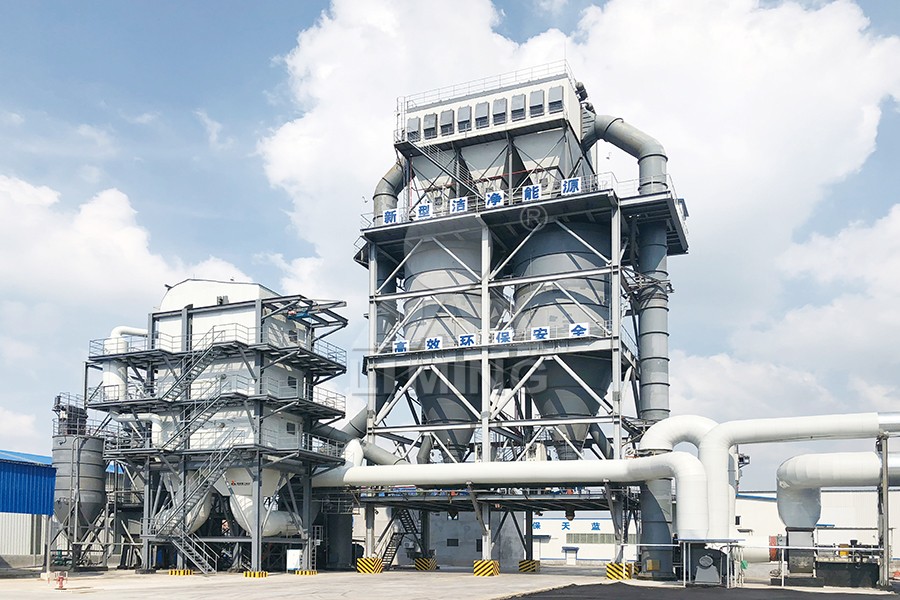
For operations prioritizing the highest levels of fineness and energy savings, the MW Ultrafine Grinding Mill presents an excellent solution. Engineered for customers requiring ultra-fine powder, this mill is particularly adept at processing pulverized coal. With an input size of 0-20 mm and a capacity range of 0.5-25 tph, it offers remarkable flexibility. Its design eliminates rolling bearings and screws in the grinding chamber, virtually eradicating common failure points. The integration of an efficient pulse dust collector and muffler ensures the entire production process is environmentally sound, with minimal dust and noise pollution. The cage-type powder selector, leveraging German technology, allows for precise fineness adjustment between 325-2500 meshes, making it ideal for achieving the exact specifications needed for efficient PCI.
Making the Final Decision
Beyond technical specifications, the choice often comes down to the supplier’s expertise and support. A provider with a proven track record in designing mills for the coal industry can offer invaluable technical services and ensure a steady supply of genuine spare parts. This partnership is crucial for long-term, worry-free operation.
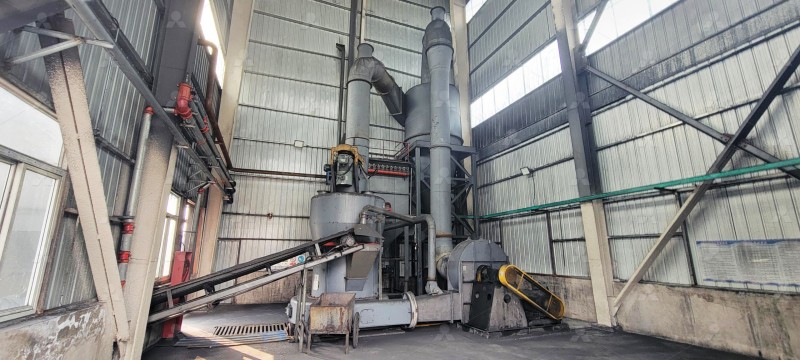
Another standout option for PCI is the LUM Ultrafine Vertical Grinding Mill. It integrates the latest grinding roller and German powder separating technologies. A key advantage for PCI is its unique roller shell and lining plate grinding curve, which promotes stable material layer formation and results in a higher yield of finished product in a single pass. This design also contributes to the whiteness and cleanliness of the coal powder. With an input size of 0-10 mm and a capacity of 5-18 tph, the LUM mill’s double position-limiting technology guarantees operational stability, even under fluctuating feed conditions, protecting the mill from vibrational damage.
Ultimately, the best vertical mill for your PCI system will be one that balances high grinding efficiency, precise control, low operating costs, and dependable support, ensuring your pulverized coal injection process runs at peak performance.
Frequently Asked Questions (FAQ)
What is the most important factor in choosing a mill for PCI?
The ability to consistently produce coal powder within a very specific and fine particle size range is paramount. This directly influences combustion efficiency and injection stability in the blast furnace.
How does the MW Ultrafine Grinding Mill reduce maintenance concerns?
By designing the grinding chamber without rolling bearings or screws, the MW mill removes the most common causes of mechanical failure. The external lubrication system also allows for maintenance without shutting down the mill.
Why is environmental consideration important for a coal mill?
Beyond regulatory compliance, controlling dust and noise creates a safer workplace and reduces the environmental footprint of the operation. Modern mills like the MW and LUM series are built with integrated dust collection and noise suppression as standard features.
Can these mills handle variations in coal quality?
Yes, advanced models like the LUM Ultrafine Vertical Grinding Mill feature hydraulic systems that allow operators to adjust grinding pressure in real-time, compensating for variations in coal hardness and feed rate to maintain consistent product quality.