
How to Choose a Ball Mill for Grinding Calcium Carbonate to 5 Microns
We provide a wide range of mills — including Raymond mill, trapezoidal mill, vertical mill, ultrafine mill, and ball mill, obtained ISO9001 international quality certification, EU CE certification, and Customs Union CU-TR certification. Suitable for processing minerals such as limestone, phosphate, quicklime, kaolin, talc, barite, bentonite, calcium carbonate, dolomite, coal, gypsum, clay, carbon black, slag, cement raw materials, cement clinker, and more.
The discharge range of these mills can be adjusted to meet specific processing needs, typically from 80-400 mesh, 600-3250 mesh, and can achieve the finest particle size of up to 6000 mesh(D50).
If you are looking for a reliable grinding solution to turn stone or minerals into fine powder, please feel free to contact our online customer service.
How to Choose a Ball Mill for Grinding Calcium Carbonate to 5 Microns
Grinding calcium carbonate (CaCO3) down to a fine, consistent powder of 5 microns is a common requirement in industries like plastics, paints, coatings, and paper. Achieving this ultra-fine grind is not a simple task and requires careful selection of milling equipment. While traditional ball mills are a workhorse for many applications, they may not always be the most efficient or economical choice for achieving such a fine particle size. This article will guide you through the key considerations and introduce a more advanced solution.
Key Considerations for Ultra-Fine Grinding
When your target is a d97 of 5 microns, several factors become critically important:
- Energy Consumption: Grinding to ultra-fine sizes is energy-intensive. Inefficient mills can lead to prohibitively high operating costs.
- Wear & Tear: The grinding process causes significant abrasion on mill components, leading to maintenance downtime and contamination of the product with iron from worn parts.
- Heat Generation: Excessive heat from prolonged grinding can degrade the calcium carbonate, affecting its quality and properties.
- Precise Classification: Simply grinding is not enough; an integrated, high-efficiency classifier is essential to ensure that only particles meeting the 5-micron spec leave the system, with oversize material being recirculated.
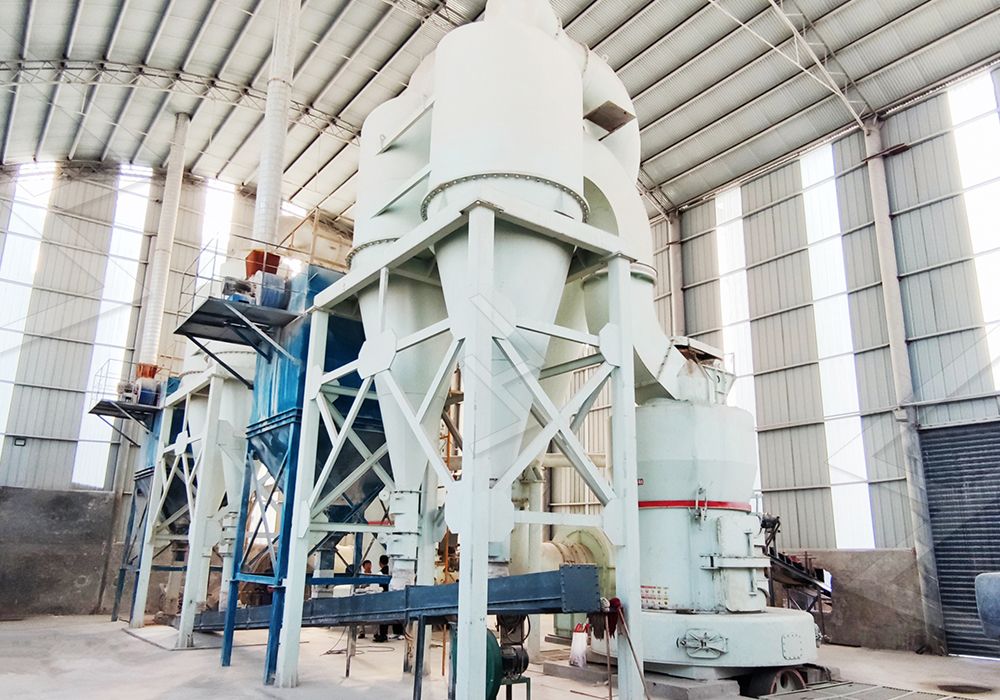
Traditional ball mills, which use steel balls in a rotating drum, can struggle with these demands. They often require long grinding times to reach fine sizes, leading to high energy use and increased risk of contamination. This is where advanced grinding technologies offer a superior alternative.
A Superior Solution: MW Ultrafine Grinding Mill
For producers aiming for high-quality, ultra-fine calcium carbonate powder, the MW Ultrafine Grinding Mill is engineered to directly adress the limitations of traditional equipment. It is specifically designed for customers who need to make ultra-fine powder like 5-micron calcium carbonate efficiently and reliably.
Key Advantages of the MW Mill for CaCO3 Grinding:
- Higher Yielding, Lower Energy Consumption: Its newly designed grinding curves enhance efficiency dramatically. With the same fineness and power, its production capacity is 40% higher than jet mills and its yield is twice as large as a ball mill, while system energy consumption is only 30% of a jet mill.
- Adjustable Fineness Up to d97≤5μm: Its German-technology, cage-type powder selector is key. It allows precise adjustment of fineness between 325-2500 meshes and can achieve a precise d97≤5μm in a single pass, ensuring your product consistently meets spec.
- Minimized Contamination & Maintenance: A critical feature for quality-sensitive applications: there are no rolling bearings or screws in the grinding chamber. This eliminates worries about damage to these parts and prevents machine failure from loose screws. Lubrication is done externally without shutdown.
- Eco-Friendly Operation: The mill is equipped with an efficient pulse dust collector and muffler, ensuring no dust pollution and low noise during operation, meeting national environmental protection standards.
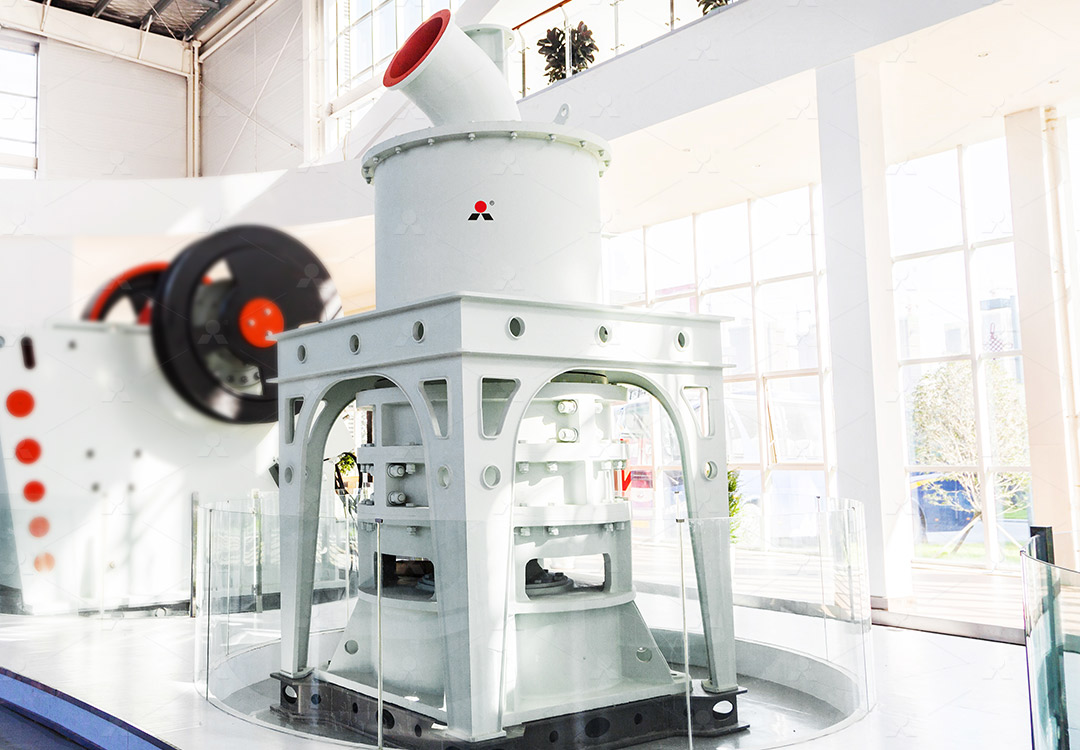
Technical Specifications at a Glance
The MW Ultrafine Grinding Mill is a robust choice for your calcium carbonate line:
- Input Size: 0-20 mm
- Capacity: 0.5 – 25 tph (depending on material and fineness)
- Target Fineness: 325 – 2500 mesh (easily achieves 5 microns)
Conclusion: Making the Right Investment
Choosing the right mill for grinding calcium carbonate to 5 microns is a strategic decision that impacts your product quality, operational costs, and production capacity. While a standard ball mill might seem like a familiar choice, its inefficiencies at this fine range can be costly.
Investing in advanced technology like the MW Ultrafine Grinding Mill provides a future-proof solution. It offers significantly higher efficiency, lower energy consumption, superior product quality with less contamination, and more environmentally friendly operation. For any serious producer of high-value, ultra-fine calcium carbonate, this mill represents the optimal blend of performance, reliability, and economy.
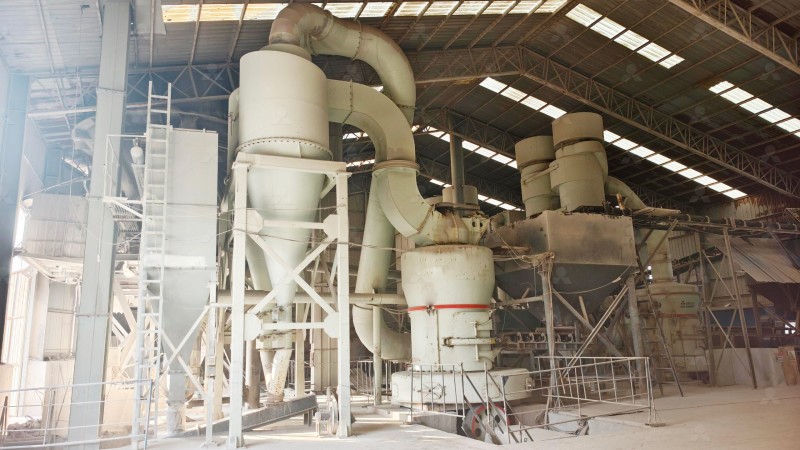
When planning your next project, look beyond the traditional ball mill and consider the advanced engineering and proven results of the MW series. It’s designed to turn the challenge of ultra-fine grinding into a competitive advantage.