
How to Choose a 500 Mesh Coal Mill for Lime Kiln Operations
We provide a wide range of mills — including Raymond mill, trapezoidal mill, vertical mill, ultrafine mill, and ball mill, obtained ISO9001 international quality certification, EU CE certification, and Customs Union CU-TR certification. Suitable for processing minerals such as limestone, phosphate, quicklime, kaolin, talc, barite, bentonite, calcium carbonate, dolomite, coal, gypsum, clay, carbon black, slag, cement raw materials, cement clinker, and more.
The discharge range of these mills can be adjusted to meet specific processing needs, typically from 80-400 mesh, 600-3250 mesh, and can achieve the finest particle size of up to 6000 mesh(D50).
If you are looking for a reliable grinding solution to turn stone or minerals into fine powder, please feel free to contact our online customer service.
Introduction: The Critical Role of Coal Grinding in Lime Production
Selecting the right coal mill is a pivotal decision for any lime kiln operation. The goal of achieving a consistent 500 mesh (approximately 25 microns) fineness is not merely about meeting a specification; it’s about optimizing combustion efficiency, ensuring uniform kiln temperature, and maximizing the quality of the final lime product. A poorly chosen mill can lead to incomplete combustion, higher fuel consumption, increased emissions, and operational instability. This article will guide you through the key considerations for selecting a mill capable of reliably producing 500 mesh pulverized coal for your lime kiln.
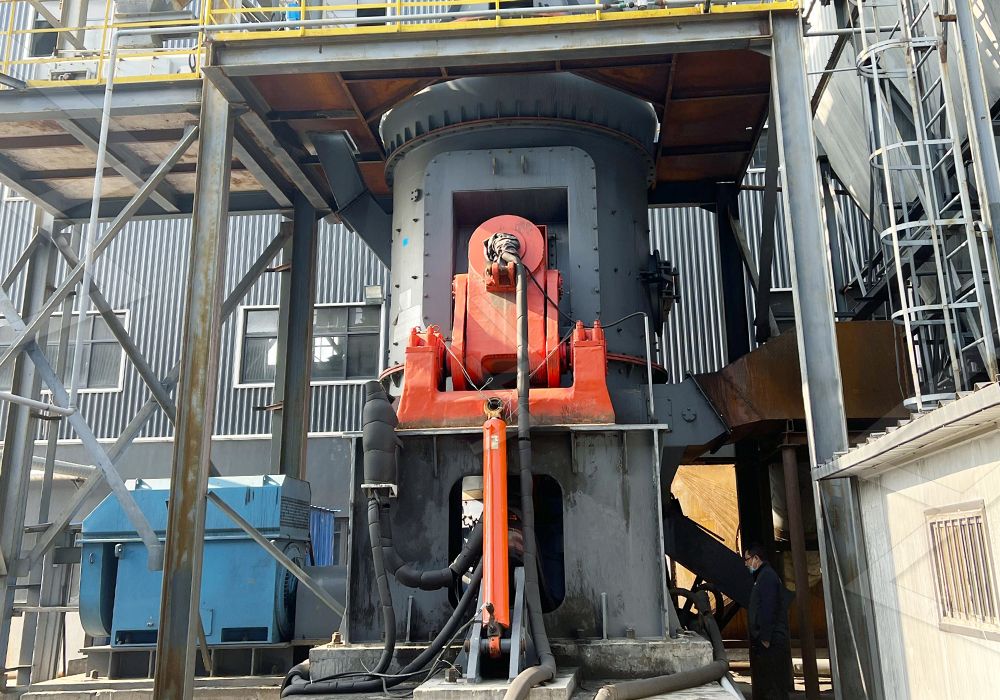
Key Selection Criteria for a 500 Mesh Coal Mill
When evaluating mills, several technical factors must be prioritized to ensure they align with the demanding requirements of lime kiln fuel preparation.
1. Grinding Efficiency and Energy Consumption
The primary function of the mill is to reduce coal to the target fineness with minimal energy expenditure. Traditional ball mills, while robust, are often energy-intensive for achieving ultra-fine powders like 500 mesh. Modern vertical roller mills and advanced trapezium mills offer significantly higher grinding efficiency. Look for technologies that feature optimized grinding curves and high-precision powder separators, which directly impact power consumption per ton of output.
2. System Reliability and Ease of Maintenance
Lime kilns typically operate continuously, making mill reliability non-negotiable. Downtime for maintenance translates directly into production losses. A superior design minimizes the number of critical components within the grinding chamber. For instance, mills that eliminate rolling bearings and screws inside the chamber prevent common failure points and associated contamination risks. Features like external lubrication systems that allow for maintenance without shutdown are highly advantageous.
3. Environmental Compliance
Modern operations must adhere to strict environmental standards. The chosen mill should be equipped with an integrated, high-efficiency pulse dust collector to ensure no dust escapes during operation. Furthermore, designs that incorporate noise reduction technologies, such as silencers and soundproofing rooms, contribute to a safer and more compliant workplace.
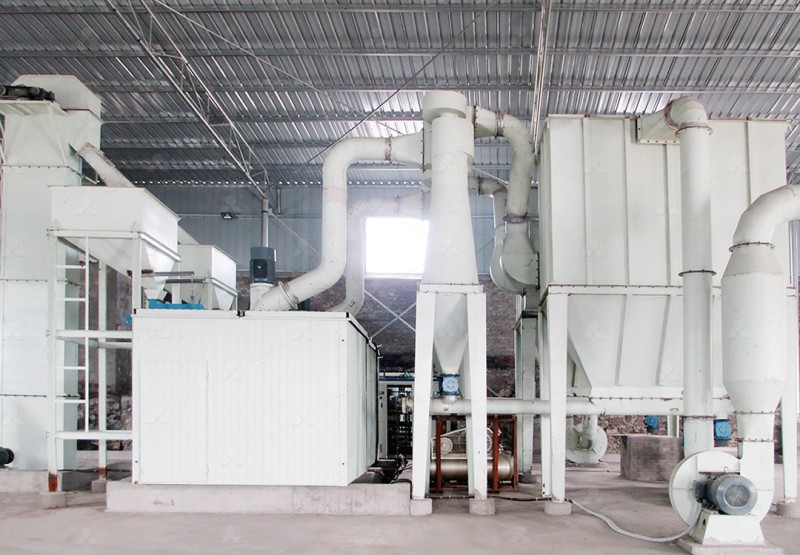
Recommended Solution: The MW Ultrafine Grinding Mill
For lime kiln operators seeking a dedicated solution for producing 500 mesh coal powder, the MW Ultrafine Grinding Mill presents an exceptional choice. This machine is engineered specifically for customers who need to make ultra-fine powder with superior efficiency and environmental performance.
Key advantages of the MW Mill for this application include:
- Precise Fineness Control: Its advanced German-technology cage-type powder selector allows for precise adjustment of product fineness between 325-2500 meshes, making the 500 mesh target easily achievable and consistent.
- Higher Yield, Lower Energy: With a production capacity up to 40% higher than jet mills and energy consumption only 30% of a jet mill, it offers significant operational cost savings.
- Robust, Worry-Free Design: The absence of rolling bearings and screws in the grinding chamber eliminates common failure points. The external lubricating device enables 24-hour continuous operation.
- Eco-Friendly Operation: The integrated efficient pulse dust collector and muffler system ensure the entire milling process is clean and quiet, meeting national environmental protection standards.
With an input size of 0-20 mm and a capacity range of 0.5-25 tph, the MW Mill is well-suited to feed the coal requirements of most industrial lime kilns.
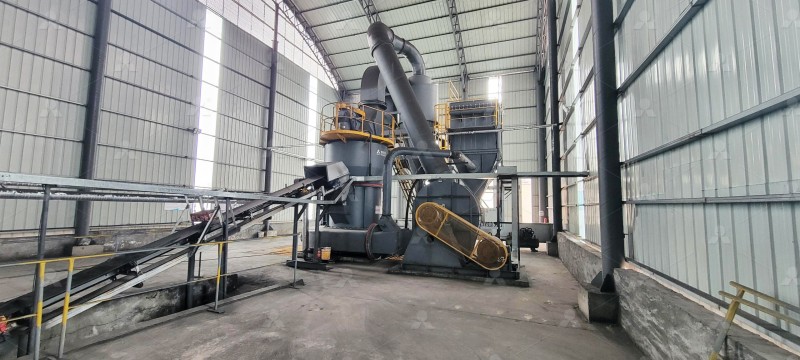
Alternative Consideration: The LUM Ultrafine Vertical Grinding Mill
For operations that may also process other minerals or require a vertical mill configuration, the LUM Ultrafine Vertical Grinding Mill is another excellent option. It integrates ultrafine powder grinding, grading, and transporting with remarkable energy savings of 30%-50% compared to common mills. Its reversible structure simplifies maintenance, allowing grinding rollers to be easily moved out for inspection, which is a significant benefit for minimizing downtime.
Frequently Asked Questions (FAQ)
Q1: Why is 500 mesh fineness so critical for lime kiln coal?
A: A fineness of 500 mesh ensures a very high surface area-to-volume ratio for the coal particles. This allows for rapid and complete combustion within the kiln, leading to a stable, uniform temperature profile. This stability is essential for producing high-quality, consistent lime and for minimizing unburned carbon and harmful emissions.
Q2: Can a standard ball mill achieve 500 mesh fineness?
A: While possible, it is generally inefficient. Ball mills are less energy-efficient for ultra-fine grinding and can have issues with iron contamination from mechanical wear, which might affect the lime product’s purity. Modern vertical and ultra-fine grinding mills are specifically designed for this task with higher efficiency and lower contamination risks.
Q3: How does the MW Ultrafine Grinding Mill handle variations in coal hardness or moisture?
A: The MW Mill is designed with a robust grinding curve and a powerful motor to handle typical variations. However, for coals with very high moisture content, a pre-drying system might be recommended to maintain optimal grinding efficiency and achieve the desired 500 mesh fineness consistently.
Q4: What kind of after-sales support can we expect?
A: As the manufacturer, we take full responsibility for every machine. We provide comprehensive technical services and guarantee a sufficient supply of original spare parts to ensure long-term, worry-free operation for our customers, minimizing any potential disruptions to your lime production.