
How to Choose a 200 Mesh Anthracite Coal Mill for Power Generation
We provide a wide range of mills — including Raymond mill, trapezoidal mill, vertical mill, ultrafine mill, and ball mill, obtained ISO9001 international quality certification, EU CE certification, and Customs Union CU-TR certification. Suitable for processing minerals such as limestone, phosphate, quicklime, kaolin, talc, barite, bentonite, calcium carbonate, dolomite, coal, gypsum, clay, carbon black, slag, cement raw materials, cement clinker, and more.
The discharge range of these mills can be adjusted to meet specific processing needs, typically from 80-400 mesh, 600-3250 mesh, and can achieve the finest particle size of up to 6000 mesh(D50).
If you are looking for a reliable grinding solution to turn stone or minerals into fine powder, please feel free to contact our online customer service.
Introduction: The Critical Role of Coal Milling in Power Generation
For power plants relying on pulverized coal combustion, the selection of a coal grinding mill is not merely an equipment choice—it is a fundamental decision impacting operational efficiency, fuel costs, and environmental compliance. Anthracite coal, known for its high carbon content and low volatile matter, presents unique grinding challenges due to its hard and abrasive nature. Achieving a consistent 200-mesh fineness (approximately 75 microns) is crucial for optimal combustion efficiency and low NOx emissions. This article provides a professional guide to navigating the key considerations when selecting a mill for this critical application.
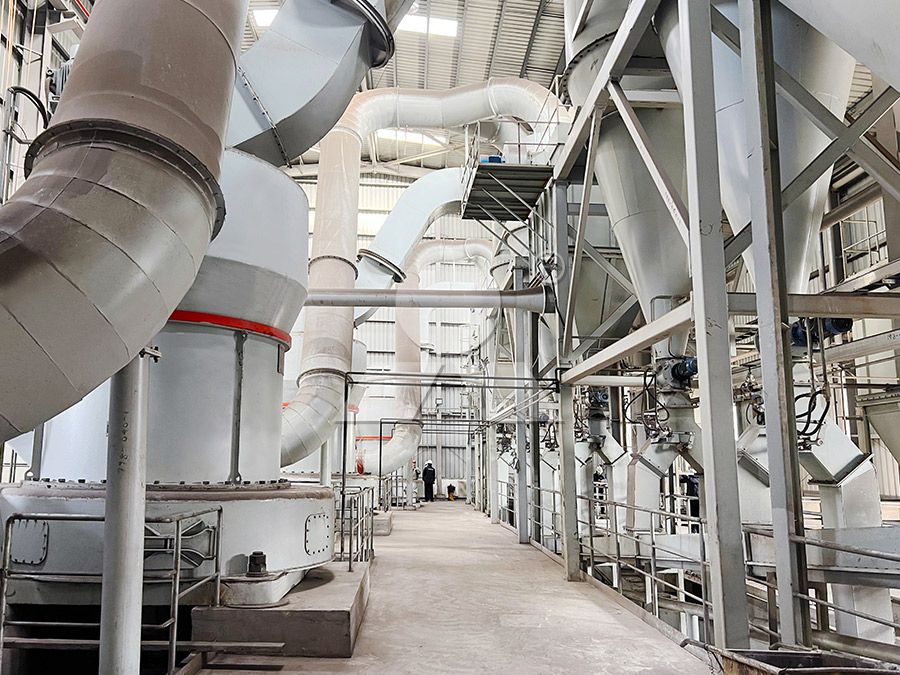
Key Selection Criteria for a 200 Mesh Anthracite Mill
Choosing the right mill involves a careful analysis of several interconnected factors:
- Grinding Efficiency & Energy Consumption: Anthracite’s hardness requires a mill with high grinding efficiency to minimize power consumption, which is a significant portion of a plant’s operating costs. Look for mills designed to reduce specific energy consumption (kWh/t).
- Wear Resistance & Maintenance: The abrasive quality of anthracite accelerates wear on grinding elements. A mill constructed with high-chromium alloys or similar wear-resistant materials and featuring a design that simplifies maintenance is essential for low life-cycle costs.
- Drying Capacity: Coal fed to the mill often contains surface moisture. An integrated drying system using pre-heated air from the boiler is vital to ensure proper grinding and material flow without clogging.
- Product Fineness Control: The ability to precisely and consistently control the output fineness to 200 mesh is non-negotiable. A high-efficiency, dynamic classifier is key to achieving this and rejecting oversize particles for regrinding.
- System Reliability & Automation: Power generation demands continuous operation. A robust mill design with advanced automation for monitoring pressure, temperature, and load ensures stable, uninterrupted performance.
- Environmental Compliance: The milling system must be fully sealed to prevent coal dust emissions and incorporate effective noise reduction technologies.
Technology Comparison: Finding the Right Fit
While traditional ball mills are common, newer technologies often offer superior performance for anthracite grinding. Vertical Roller Mills (VRMs), for instance, have become the industry standard for many applications due to their integrated drying and grinding capabilities, lower energy use, and smaller footprint.
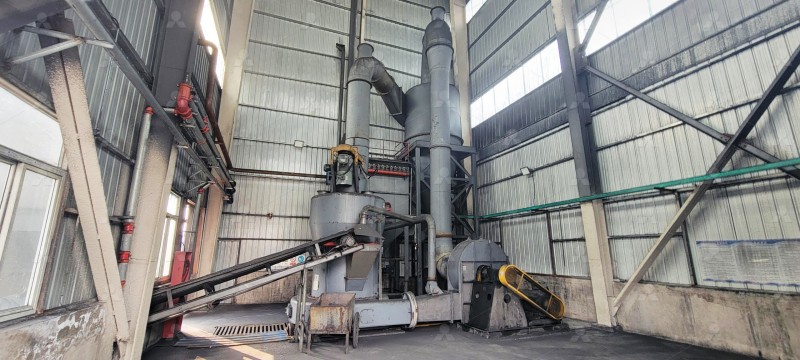
Recommended Solution: The LM Vertical Coal Mill
For power plants seeking a balance of high efficiency, reliability, and low operating costs for grinding anthracite to 200 mesh, the LM Vertical Coal Mill is an exemplary choice. This mill is specifically engineered for pulverized coal production and addresses the core challenges of anthracite grinding.
Its advantages are particularly relevant:
- High Grinding Efficiency: It consumes 40% to 50% less power than a traditional ball mill, directly reducing electricity costs.
- Excellent Wear Resistance: The grinding roller and table are designed with special wear-resistant materials and profiles to withstand the abrasiveness of anthracite, extending service intervals.
- Integrated Drying: It can effectively dry coal with up to 15% moisture using hot gas from the kiln or a dedicated heater.
- Stable Product Quality: The short material residence time (2-3 minutes) allows for quick adjustment and ensures a consistent, narrow particle size distribution ideal for combustion.
- Simple and Reliable Operation: Features like a hydraulic system for roller positioning and a limiting device to prevent metal-to-metal contact enhance operational stability and safety.
Alternative for Ultra-Fine Requirements: The MW Ultrafine Grinding Mill
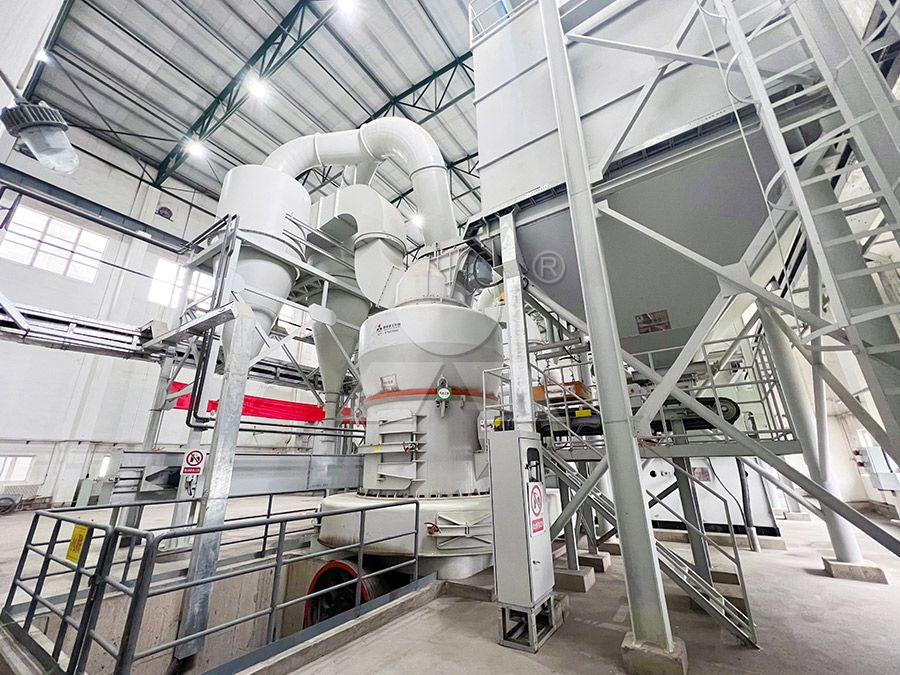
In scenarios where even finer or more precise control over anthracite powder is required beyond 200 mesh, the MW Ultrafine Grinding Mill presents a powerful alternative. With an adjustable fineness range of 325-2500 meshes, it is ideal for specialized applications or advanced combustion systems demanding superior fuel quality.
Key features include:
- Higher Yielding, Lower Energy Consumption: Offers 40% higher capacity than jet mills with system energy consumption only 30% of a jet mill’s.
- Advanced Powder Selection: A German-technology cage-type powder selector ensures high precision in achieving the target 200-mesh fineness.
- Maintenance-Friendly Design: The absence of rolling bearings and screws in the grinding chamber eliminates common failure points and allows for external lubrication without shutdown.
Frequently Asked Questions (FAQ)
Q1: Why is 200 mesh the target fineness for pulverized coal in power generation?
A1: A fineness of 200 mesh (75 microns) represents an optimal balance. Finer coal has a larger surface area, leading to faster, more complete combustion and higher boiler efficiency. It also results in lower unburned carbon losses and reduced slagging. However, over-grinding is energy-intensive. The 200-mesh standard ensures efficient burnout without excessive milling costs.
Q2: How does the hardness of anthracite coal affect mill selection?
A2: Anthracite’s high hardness directly impacts wear rates on grinding components and the power required for comminution. It necessitates a mill built with superior wear-resistant materials (like high-chromium cast iron rollers and tables) and a design that delivers high grinding pressure with robust mechanical structure, such as a Vertical Roller Mill.
Q3: Can the same mill handle variations in coal quality or moisture content?
A3: A well-designed mill, like the LM Vertical Coal Mill, is equipped to handle reasonable variations. Its integrated drying system can adjust to different moisture levels using hot gas flow. Furthermore, hydraulic systems allow for real-time adjustment of grinding pressure to accommodate changes in coal hardness and maintain product fineness.
Q4: What are the key operational cost drivers for a coal mill?
A4: The primary costs are electrical energy consumption (the largest component), wear part replacement, and maintenance labor. Selecting an energy-efficient mill with long-lasting, easy-to-replace wear parts is the most effective strategy for minimizing total operational expenditure over the mill’s lifetime.