
How to Calculate the Right Size Hammer Mill for Coal Crushing
We provide a wide range of mills — including Raymond mill, trapezoidal mill, vertical mill, ultrafine mill, and ball mill, obtained ISO9001 international quality certification, EU CE certification, and Customs Union CU-TR certification. Suitable for processing minerals such as limestone, phosphate, quicklime, kaolin, talc, barite, bentonite, calcium carbonate, dolomite, coal, gypsum, clay, carbon black, slag, cement raw materials, cement clinker, and more.
The discharge range of these mills can be adjusted to meet specific processing needs, typically from 80-400 mesh, 600-3250 mesh, and can achieve the finest particle size of up to 6000 mesh(D50).
If you are looking for a reliable grinding solution to turn stone or minerals into fine powder, please feel free to contact our online customer service.
How to Calculate the Right Size Hammer Mill for Coal Crushing
Selecting the correct size hammer mill for coal crushing is a critical decision that impacts your operation’s efficiency, energy consumption, and bottom line. An undersized mill will struggle to meet capacity, leading to bottlenecks and premature wear. An oversized mill represents an unnecessary capital expenditure and higher operating costs. This guide outlines the key factors to consider for a precise calculation.
Key Factors in Sizing Your Hammer Mill
The primary goal is to match the mill’s capacity and power to your specific material and production requirements. Here are the essential variables:
- Feed Size: The initial top size of the coal entering the crusher. A larger feed size requires a more robust mill with higher horsepower to achieve the necessary impact for size reduction.
- Desired Product Size: The final particle size you need. Achieving a finer product requires more energy, a higher RPM, or possibly a different crushing technology altogether.
- Material Characteristics: Coal properties vary significantly. Hardness, moisture content, abrasiveness, and friability all influence the mill’s design and power needs. Harder, more abrasive coals demand heavier-duty construction and more power.
- Capacity (Throughput): The required tons per hour (tph) is the most straightforward yet crucial metric. Your mill must be sized to handle peak production rates without being a constant bottleneck.
Beyond the Hammer Mill: When to Consider Alternative Grinding Solutions
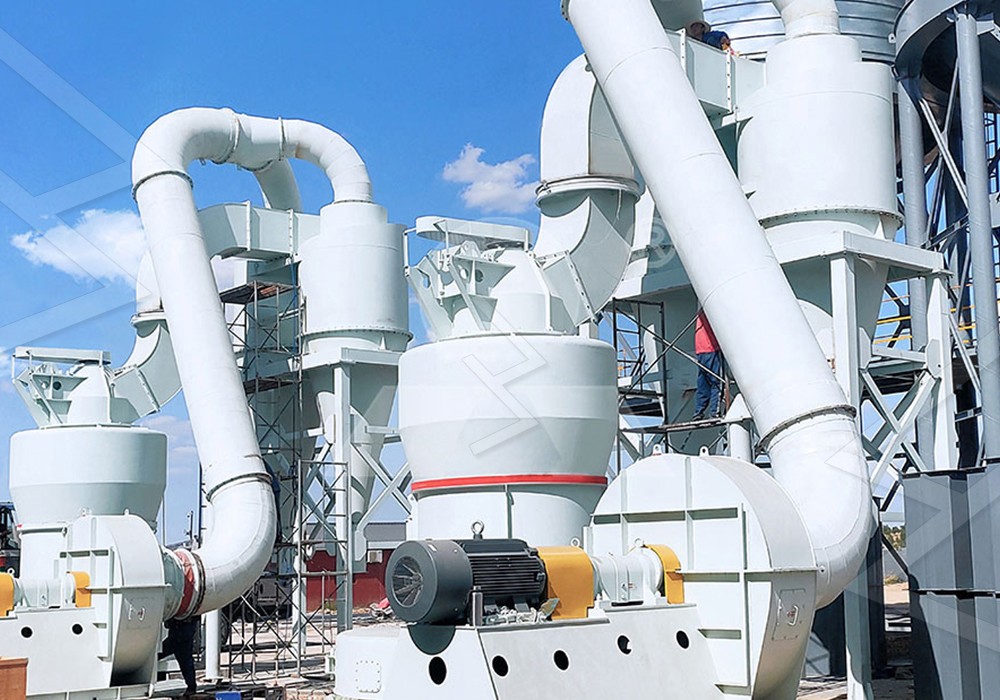
While hammer mills are excellent for primary and secondary crushing of coal to a medium-fine size, certain applications demand a different approach. For operations requiring ultra-fine pulverized coal for specialized industrial processes, an ultrafine grinding mill is often the superior choice.
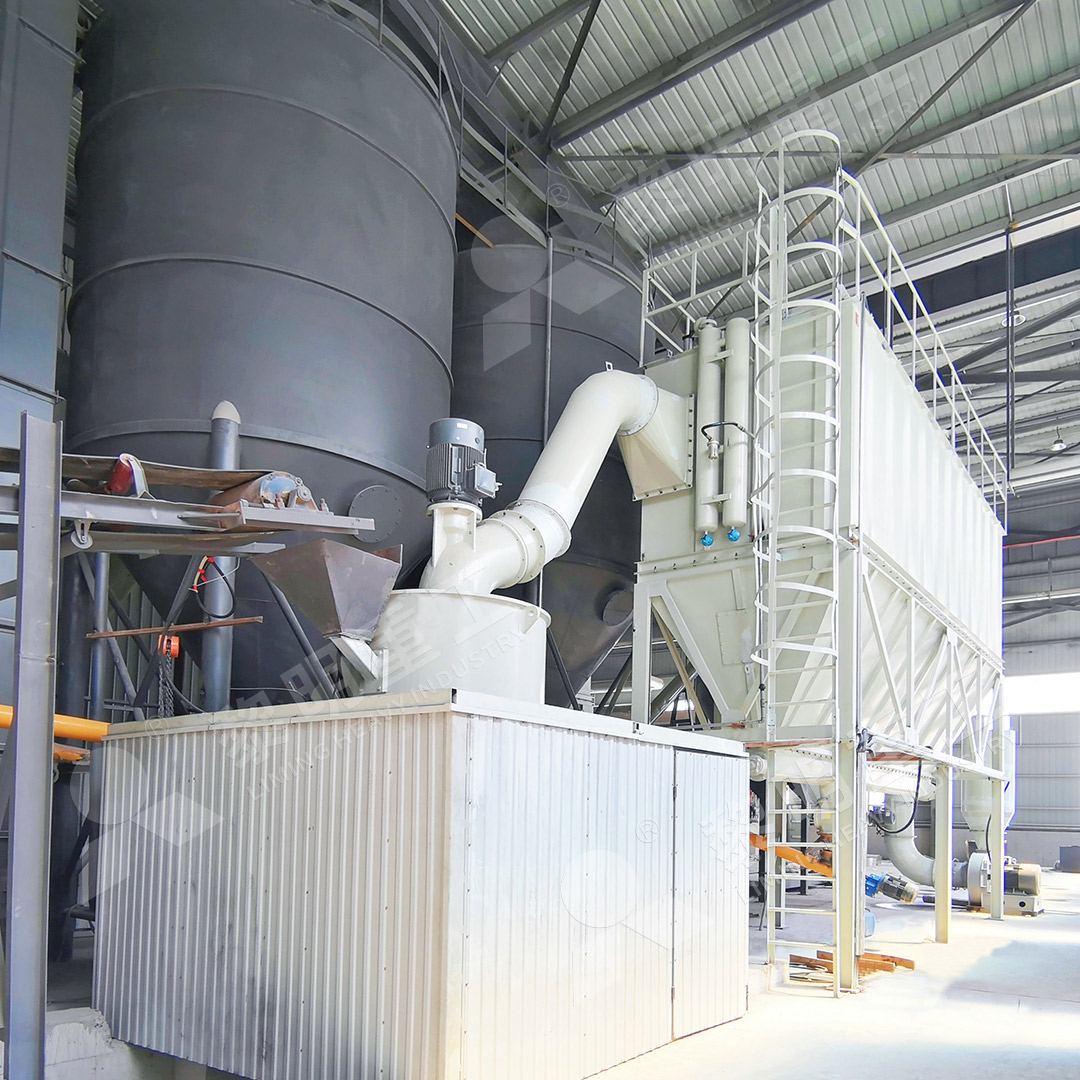
For these demanding applications, we highly recommend our MW Ultrafine Grinding Mill. Designed for customers who need to make ultra-fine powder, this machine is ideal for processing petroleum coal and coal powder. It accepts a feed size of 0-20 mm and offers a capacity range of 0.5-25 tph, making it a perfect solution for high-precision coal grinding. It is equipped with an efficient pulse dust collector and muffler, ensuring the entire production process is environmentally friendly with reduced dust and noise.
Another exceptional option for finer grinding needs is the LUM Ultrafine Vertical Grinding Mill. With an input size of 0-10 mm and a capacity of 5-18 tph, it integrates ultrafine powder grinding, grading, and transporting. It adopts the latest grinding roller and German powder separating technology, making it a premier choice for producing superfine dry powder from petroleum coal and other non-metal ores.
A Basic Calculation Methodology
A rudimentary way to estimate the necessary motor horsepower (HP) for a hammer mill is to use the following industry rule of thumb:
Required HP = (Capacity in tph) × (Grinding Factor) × (Product Size Factor)
The Grinding Factor accounts for material hardness (e.g., 1.0 for soft coal, 1.5 for harder grades). The Product Size Factor adjusts for fineness (e.g., 1.0 for coarse, 1.2 for fine). These factors are experience-based and should be confirmed with a crushing specialist. Always consult with an application engineer to verify your calculations using precise motor load and grinding element wear data.
Operation and Maintenance Considerations
Proper sizing isn’t just about initial performance. Consider the long-term operational costs. A correctly sized mill will run efficiently, minimizing energy waste and reducing the frequency of maintenance downtime for replacing hammers, screens, and other wear parts. Ensure your supplier offers robust after-sales support and a sufficient supply of original spare parts for worry-free operation.
Frequently Asked Questions (FAQ)
What is the most common mistake in sizing a hammer mill?
Underestimating the impact of material characteristics, particularly moisture content and abrasiveness. Wet or sticky coal can clog screens and drastically reduce throughput, while highly abrasive coal will accelerate wear on hammers and liners.
Can I use the same hammer mill for different types of coal?
Yes, but performance will vary. You may need to adjust the screen size, rotor speed, or hammer configuration when switching between significantly different coal types to maintain optimal efficiency and product size.
How often do hammers and screens need to be replaced?
This is highly variable and depends on the coal’s abrasiveness, the required product fineness, and the mill’s throughput. Monitoring product output and periodic visual inspections are the best ways to determine a replacement schedule.
When should I consider an ultrafine mill instead of a hammer mill?
When your process requires a very fine, consistent powder (finer than 200 mesh), an ultrafine grinding mill like our MW or LUM series is more efficient and produces a more uniform product than a hammer mill, which is better suited for coarse to medium-fine crushing.