
How to Calculate SAG Ball Mill Circulating Load
We provide a wide range of mills — including Raymond mill, trapezoidal mill, vertical mill, ultrafine mill, and ball mill, obtained ISO9001 international quality certification, EU CE certification, and Customs Union CU-TR certification. Suitable for processing minerals such as limestone, phosphate, quicklime, kaolin, talc, barite, bentonite, calcium carbonate, dolomite, coal, gypsum, clay, carbon black, slag, cement raw materials, cement clinker, and more.
The discharge range of these mills can be adjusted to meet specific processing needs, typically from 80-400 mesh, 600-3250 mesh, and can achieve the finest particle size of up to 6000 mesh(D50).
If you are looking for a reliable grinding solution to turn stone or minerals into fine powder, please feel free to contact our online customer service.
How to Calculate SAG Ball Mill Circulating Load
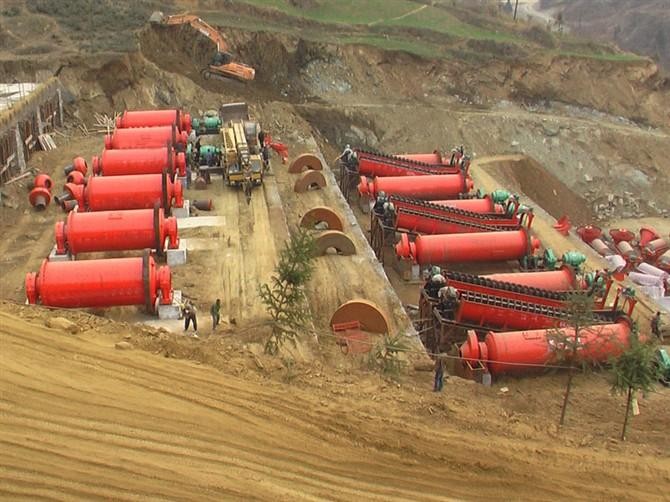
For mineral processing engineers and plant operators, understanding and controlling the circulating load in grinding circuits is fundamental to achieving optimal efficiency and product quality. The circulating load refers to the proportion of mill discharge material that is returned to the mill for further grinding, typically by a classifier like a cyclone. An accurately calculated and managed circulating load is crucial for maximizing throughput, minimizing overgrinding, and reducing energy consumption.
The Importance of Circulating Load Calculation
A properly balanced circulating load ensures that the mill is operating at its most effective capacity. If the load is too low, the mill may be underutilized, leading to inefficient grinding and reduced throughput. Conversely, an excessively high circulating load can cause mill overload, increased power draw, and accelerated liner wear, ultimately compromising the entire circuit’s stability. The goal is to find the sweet spot where the mill is consistently processing the optimal amount of material for its size and power.
The Standard Calculation Method
The most common method for calculating the circulating load (CL) uses screen analysis data from the mill discharge and the classifier (cyclone) underflow. The formula is straightforward:
Circulating Load (%) = (T / F) * 100
Where:
T = Mass flow rate of the classifier underflow (returned to the mill) in tons per hour (tph).
F = Mass flow rate of the new feed to the circuit in tons per hour (tph).
In practice, since directly measuring the mass flow rate (T) can be challenging, we often rely on sieve analysis. By comparing the percentage of a specific size fraction (usually the desired product size) in the mill discharge, classifier feed, and classifier underflow, we can use a mass balance approach. A typical circulating load for a ball mill circuit ranges from 100% to 400%, depending on the grindability of the ore and the target product size.
Optimizing Grinding Efficiency with Advanced Equipment
While calculating and managing the circulating load is vital, the foundation of an efficient grinding circuit is the equipment itself. For operations requiring ultra-fine powders, traditional ball mills can be energy-intensive. This is where advanced grinding technologies offer significant advantages.
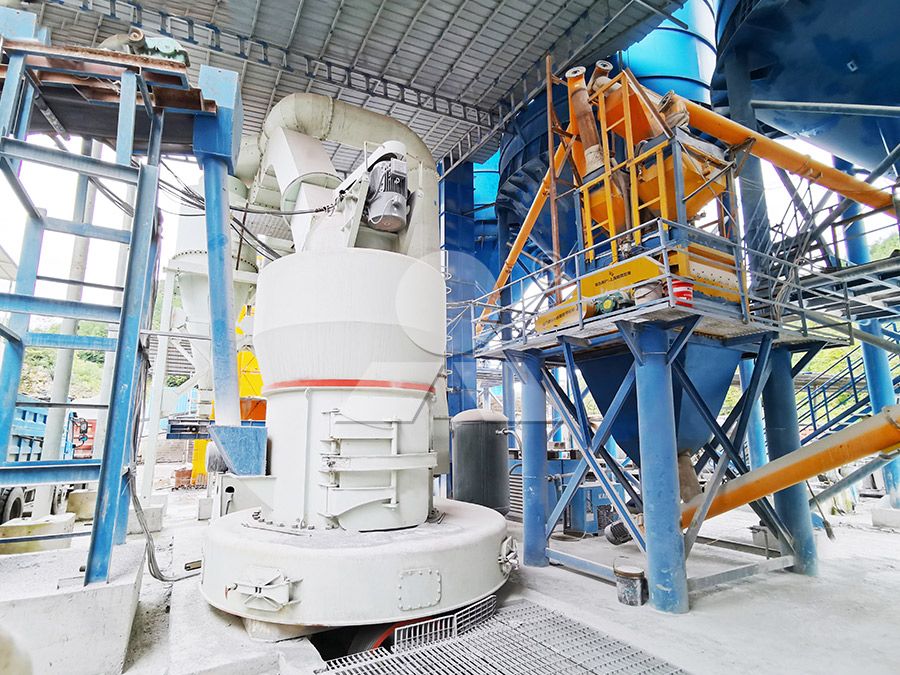
Our MW Ultrafine Grinding Mill is specifically engineered for customers who need to produce ultra-fine powder efficiently. With an input size of 0-20 mm and a capacity range of 0.5-25 tph, it is an excellent solution for a variety of materials, including limestone, calcite, and dolomite. A key feature is its higher yield and lower energy consumption; it achieves a production capacity 40% higher than jet mills and double that of ball mills for the same fineness and power, while system energy consumption is only 30% of a jet mill. Its cage-type powder selector allows for precise fineness adjustment between 325-2500 meshes, ensuring you get the exact product specification you need without unnecessary recirculation.
For another robust option, consider the LUM Ultrafine Vertical Grinding Mill. It integrates grinding, grading, and transporting with an input size of 0-10 mm and a capacity of 5-18 tph. Its unique roller shell and lining plate grinding curve are designed to generate a stable material layer, promoting efficient single-pass grinding and reducing the need for high circulating loads. This design not only enhances efficiency but also improves the whiteness and cleanliness of the final product.
Conclusion
Mastering the calculation of the SAG ball mill circulating load is a critical skill for optimizing mineral processing operations. It directly impacts throughput, energy usage, and product quality. By combining precise calculation methods with high-efficiency grinding technology like the MW or LUM series mills, operations can achieve significant gains in productivity and cost-effectiveness, moving towards a more sustainable and profitable future.
Frequently Asked Questions (FAQ)
What is a typical circulating load value for a ball mill?
While it varies, a typical range is between 150% and 350%. The optimal value depends on factors like ore hardness, feed size, and desired product fineness.
Why is a high circulating load sometimes undesirable?
An excessively high circulating load can lead to mill overfilling, reduced grinding efficiency, higher energy consumption per ton of product, and increased wear on mill liners and cyclones.
Can the circulating load formula be used for SAG mills?
The principle is similar, but the calculation may involve different size fractions and screen analyses specific to SAG mill operation. The core concept of a mass balance between new feed and recirculated material remains the same.
How does mill equipment choice affect circulating load?
More efficient mills, like our MW and LUM series, can achieve target fineness in fewer passes. This can allow for a lower, more manageable circulating load while maintaining or even increasing throughput, leading to overall energy savings.