
How to Calculate Grinding Media Consumption in a Ball Mill: Formula and Factors
We provide a wide range of mills — including Raymond mill, trapezoidal mill, vertical mill, ultrafine mill, and ball mill, obtained ISO9001 international quality certification, EU CE certification, and Customs Union CU-TR certification. Suitable for processing minerals such as limestone, phosphate, quicklime, kaolin, talc, barite, bentonite, calcium carbonate, dolomite, coal, gypsum, clay, carbon black, slag, cement raw materials, cement clinker, and more.
The discharge range of these mills can be adjusted to meet specific processing needs, typically from 80-400 mesh, 600-3250 mesh, and can achieve the finest particle size of up to 6000 mesh(D50).
If you are looking for a reliable grinding solution to turn stone or minerals into fine powder, please feel free to contact our online customer service.
How to Calculate Grinding Media Consumption in a Ball Mill: Formula and Factors
Grinding media consumption is a critical parameter in ball mill operations, directly impacting operational costs and efficiency. Understanding how to calculate and optimize it can significantly enhance your milling process. Here’s a detailed guide, including formulas, influencing factors, and recommendations for advanced grinding solutions.
1. Formula for Grinding Media Consumption
The wear rate of grinding media (balls) in a ball mill can be estimated using the following empirical formula:
W = (Wi × A × T × D × N) / (1000 × V)
- W: Grinding media wear rate (kg/kWh)
- Wi: Work index of the material (kWh/t)
- A: Abrasion factor (typically 0.1–0.3 for steel balls)
- T: Mill throughput (t/h)
- D: Media diameter (mm)
- N: Mill rotational speed (rpm)
- V: Mill volume (m³)
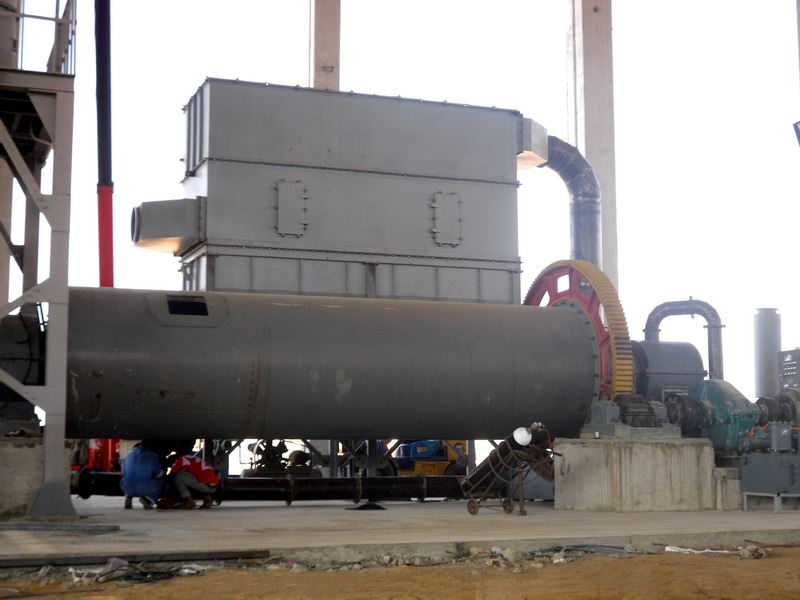
2. Key Factors Affecting Media Consumption
a. Material Hardness
Harder ores (e.g., quartz) accelerate media wear. Our MW Ultrafine Grinding Mill reduces wear with its no-rolling-bearing design, ideal for abrasive materials like limestone and talc.
b. Mill Speed
Excessive speed increases impact but raises wear. Optimize speed based on mill diameter.
c. Media Size and Composition
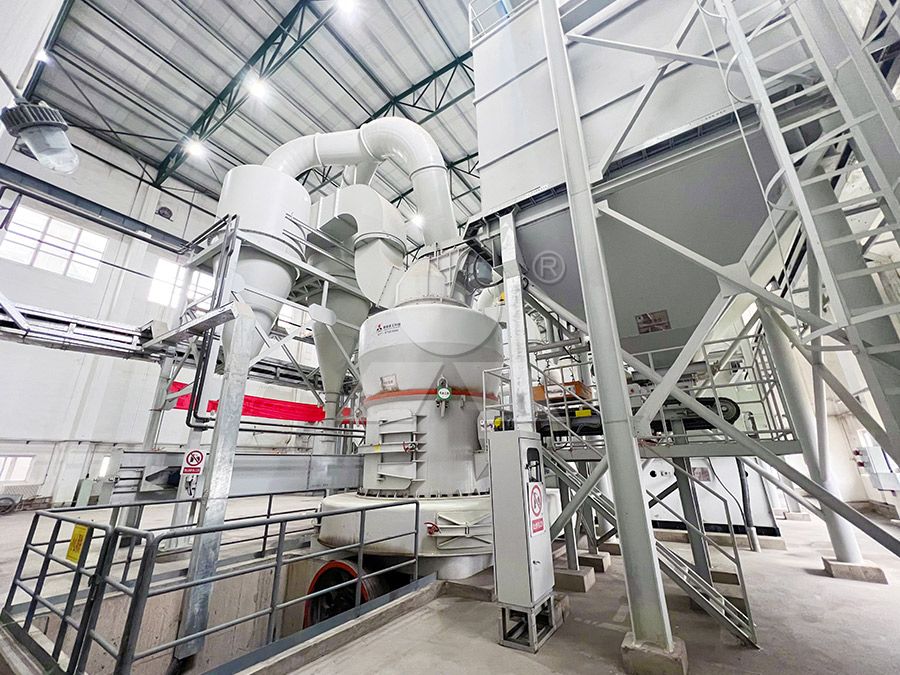
High-chromium steel balls last longer than cast iron. For ultra-fine grinding, consider LUM Ultrafine Vertical Grinding Mill, which replaces traditional media with rollers for lower consumption.
d. Pulp Density
Higher slurry viscosity increases abrasive wear. Maintain 60–75% solids for balance.
3. Practical Tips to Reduce Consumption
- Monitor wear regularly: Use ultrasonic sensors or weigh media periodically.
- Optimize ball charge: Replenish larger balls to maintain grinding efficiency.
- Upgrade equipment: Our MW Ultrafine Grinding Mill consumes 30% less energy than ball mills while achieving finer outputs (325–2500 meshes).
4. When to Consider Advanced Alternatives
For high-value or ultra-fine materials, vertical mills like LUM Ultrafine Vertical Grinding Mill offer:
- 30–50% lower energy use
- No media replacement costs
- Precise fineness control (up to d97≤5μm)
Conclusion
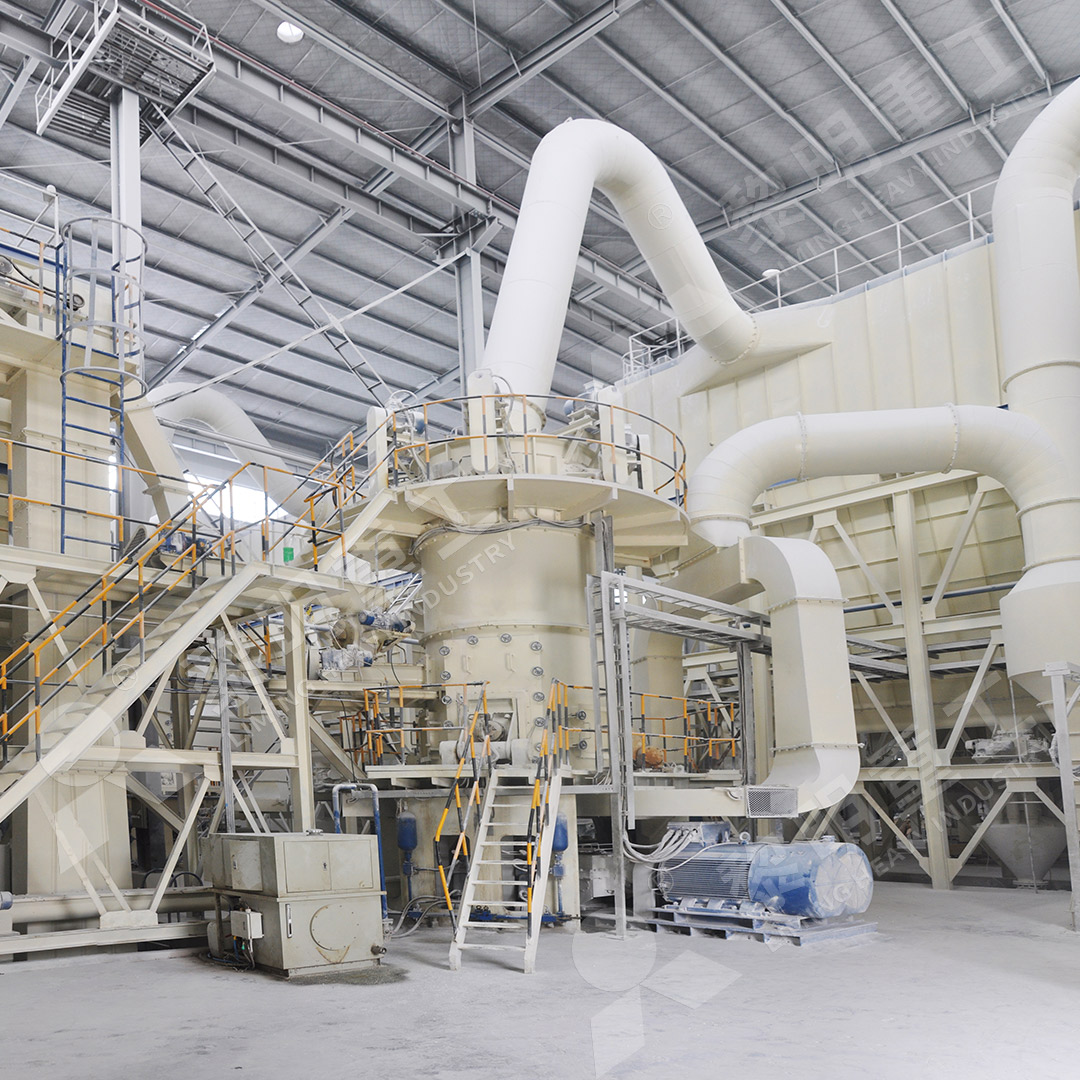
Accurate media consumption calculation helps control costs. For operations prioritizing efficiency and fine powders, LIMING’s MW Ultrafine Grinding Mill and LUM Vertical Mill provide eco-friendly, low-wear alternatives with advanced automation.