
How to Calculate Critical Speed of Grinding Mill
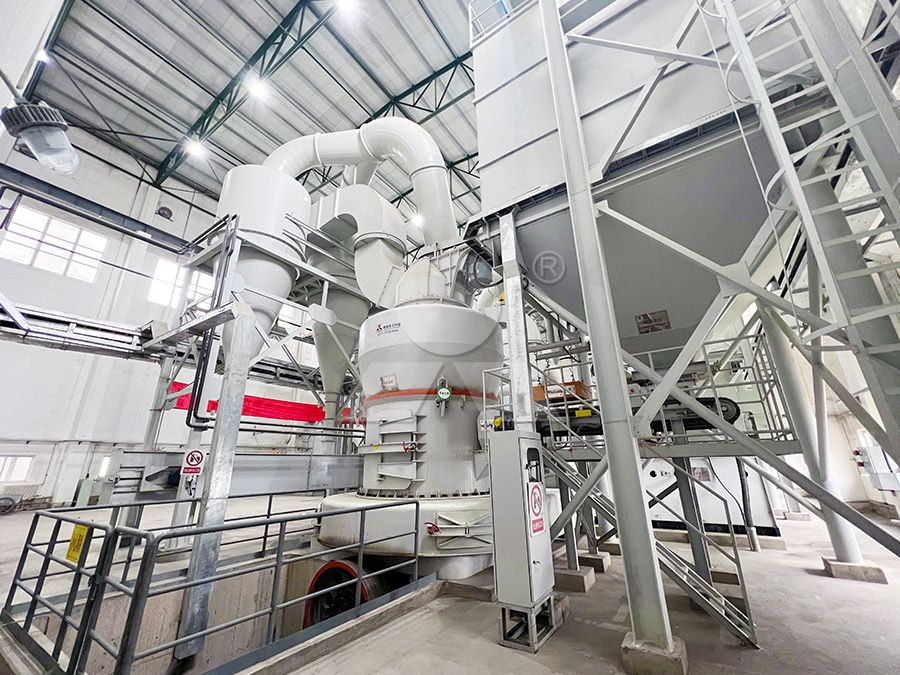
We provide a wide range of mills — including Raymond mill, trapezoidal mill, vertical mill, ultrafine mill, and ball mill, obtained ISO9001 international quality certification, EU CE certification, and Customs Union CU-TR certification. Suitable for processing minerals such as limestone, phosphate, quicklime, kaolin, talc, barite, bentonite, calcium carbonate, dolomite, coal, gypsum, clay, carbon black, slag, cement raw materials, cement clinker, and more.
The discharge range of these mills can be adjusted to meet specific processing needs, typically from 80-400 mesh, 600-3250 mesh, and can achieve the finest particle size of up to 6000 mesh(D50).
If you are looking for a reliable grinding solution to turn stone or minerals into fine powder, please feel free to contact our online customer service.
How to Calculate Critical Speed of Grinding Mill
Understanding the critical speed of a grinding mill is fundamental to its efficient and safe operation. The critical speed refers to the rotational velocity at which the grinding media inside the mill centrifuge, ceasing to perform any grinding action. Operating a mill at or above this speed is innefficient and can lead to excessive wear or even mechanical failure. This article provides a clear guide on calculating this crucial parameter.
The Theory Behind Critical Speed
The concept is based on the point where the centrifugal force acting on a grinding ball is equal to the gravitational force pulling it down. At this point, the ball will theoretically stick to the mill’s shell and rotate with it, providing zero grinding action. The formula for calculating the critical speed (Nc) in revolutions per minute (RPM) for a ball mill is derived from this basic physical principle:
Nc = 42.3 / √D
Where:
Nc = Critical Speed (RPM)
D = Internal diameter of the mill in meters (measured from liner to liner)
For example, a mill with an internal diameter of 3 meters would have a critical speed of approximately 24.4 RPM (42.3 / √3 ≈ 24.4). In practice, most mills are operated at 65% to 80% of this critical speed to ensure the grinding media cascades effectively, creating a combination of impact and abrasion for optimal size reduction.
Factors Influencing Optimal Operating Speed
While the formula provides the theoretical critical speed, several practical factors influence the ideal operating speed:
- Media Fill Level: A higher charge of grinding media may require a slightly higher operating speed.
- Liner Profile: The design of the mill’s liners affects the lift and trajectory of the media.
- Material Characteristics: The density and size of the feed material can influence the optimal speed.
Beyond Calculation: Choosing the Right Mill for Your Application
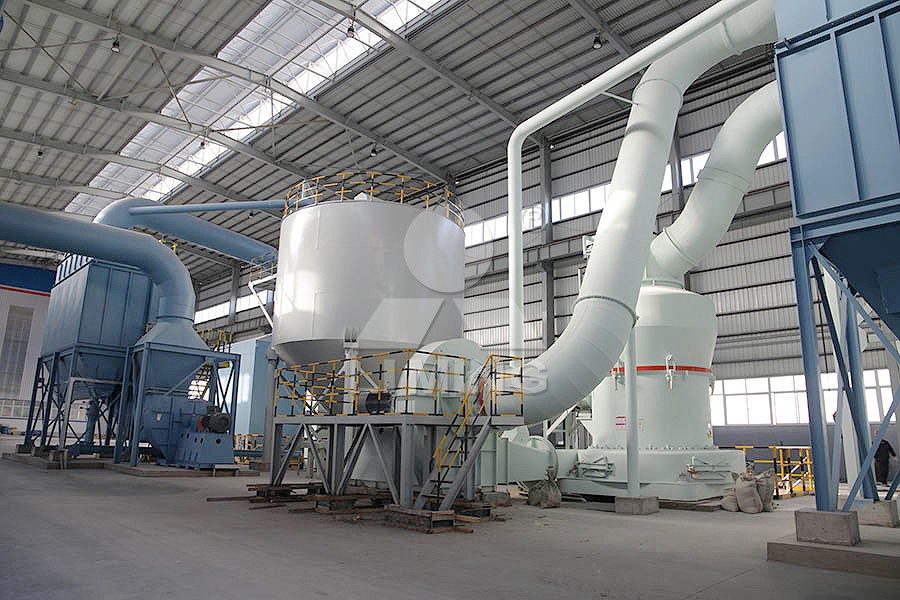
While calculating critical speed is essential for traditional ball mills, modern grinding technology often employs designs that are less dependent on this single parameter. For operations requiring ultra-fine powders, advanced mills like our MW Ultrafine Grinding Mill offer superior efficiency without the same critical speed constraints.
The MW Ultrafine Grinding Mill is engineered for customers who need to make ultra-fine powder (325-2500 meshes) from materials like limestone, calcite, and dolomite. With an input size of 0-20 mm and a capacity range of 0.5-25 tph, its design eliminates concerns about rolling bearings or screws in the grinding chamber, a common failure point in traditional mills. Its innovative cage-type powder selector and efficient pulse dust collector ensure high precision, eco-friendly operation, and, most importantly, consistent output without the complexities of managing critical speed.
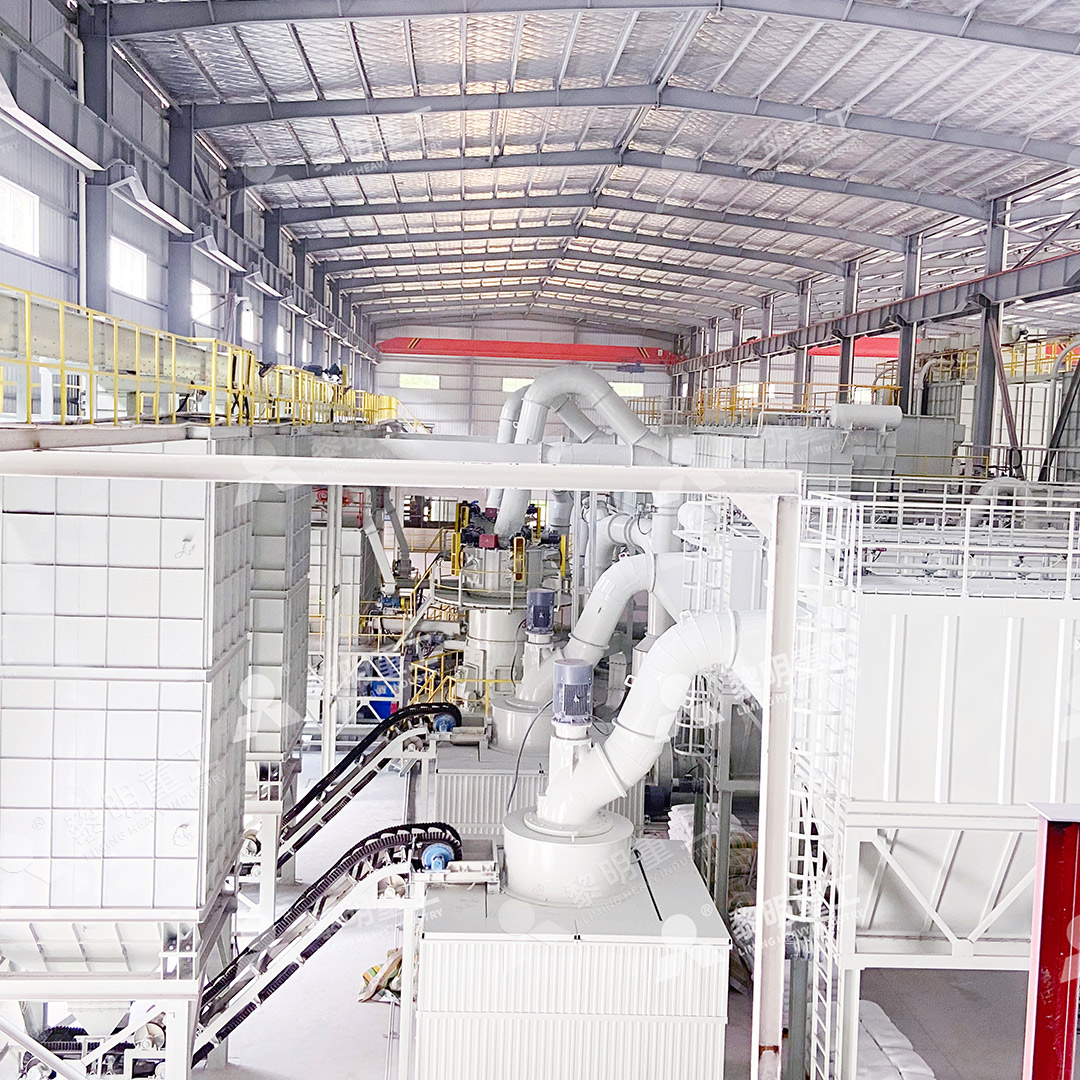
For larger scale applications requiring vertical integration, our LUM Ultrafine Vertical Grinding Mill is another excellent choice. It integrates grinding, grading, and transporting with higher yielding rates and better energy efficiency, operating well outside the traditional ball mill paradigm.
Conclusion
Calculating the critical speed (Nc = 42.3 / √D) remains a vital first step in setting up and optimizing traditional ball mills. However, for modern, high-yield, and low-maintenance grinding, considering advanced mill designs that transcend these limitations is key. Our MW and LUM series mills represent this next generation of grinding technology, delivering precise fineness control and worry-free operation.