
How to Build a DIY Hammer Mill for Crushing Gold Ore at Home
We provide a wide range of mills — including Raymond mill, trapezoidal mill, vertical mill, ultrafine mill, and ball mill, obtained ISO9001 international quality certification, EU CE certification, and Customs Union CU-TR certification. Suitable for processing minerals such as limestone, phosphate, quicklime, kaolin, talc, barite, bentonite, calcium carbonate, dolomite, coal, gypsum, clay, carbon black, slag, cement raw materials, cement clinker, and more.
The discharge range of these mills can be adjusted to meet specific processing needs, typically from 80-400 mesh, 600-3250 mesh, and can achieve the finest particle size of up to 6000 mesh(D50).
If you are looking for a reliable grinding solution to turn stone or minerals into fine powder, please feel free to contact our online customer service.
How to Build a DIY Hammer Mill for Crushing Gold Ore at Home
For the dedicated prospector or small-scale miner, processing gold ore at home can be a rewarding endeavor. While commercial equipment offers high efficiency, building a DIY hammer mill is a feasible project that can significantly reduce costs. This guide walks you through the essential steps, from design considerations to assembly, empowering you to crush your ore and liberate those precious gold particles.
Understanding the Basics: How a Hammer Mill Works
A hammer mill’s operation is straightforward yet powerful. It relies on a high-speed rotor equipped with swinging hammers that impact the ore, shattering it against a hardened steel breaker plate or screen. The size of the final product is determined by the screen openings, allowing you to control the fineness of the crushed material. For gold ore, which often requires very fine grinding to free the gold from the host rock, achieving a consistent, small particle size is crucial.

Key Components and Sourcing Materials
Building a robust mill starts with gathering the right parts. The heart of the machine is the rotor assembly. A solid steel shaft, mounted on heavy-duty pillow block bearings, forms the core. The hammers can be crafted from hardened steel plate or repurposed from old machinery like car axles. The crushing chamber should be constructed from thick steel plate to withstand the intense impact and abrasion. Don’t forget a powerful electric or gasoline engine; for most DIY setups, a motor in the 5-10 HP range is sufficient to drive a small-scale operation.
Step-by-Step Assembly Guide
1. Frame and Base: Weld a sturdy frame from square or rectangular steel tubing. This base must be rigid enough to absorb vibrations during operation.
2. Rotor Assembly: Machine or purchase a shaft and mount the hammers using robust pins. Ensure the hammers can swing freely. This assembly is then mounted inside the crushing chamber with the bearings securely fixed to the frame.
3. Crushing Chamber and Screen: Construct the chamber box and install a replaceable screen at the bottom. The screen is a consumable part, so design it for easy replacement. Use a perforated steel plate with holes sized for your desired output (e.g., 1/8″ or 1/16″ for fine crushing).
4. Drive System: Connect the motor to the rotor shaft using V-belts and pulleys. Proper pulley sizing is critical to achieve the necessary rotor speed (typically 1,800 – 3,600 RPM). Always install a safety guard over the belts and pulleys.
5. Feed Hopper: Attach a hopper to the top of the crushing chamber to safely guide ore into the mill. A simple chute made from sheet metal will suffice.
Safety: Your Top Priority
Never compromise on safety. Always wear safety glasses, hearing protection, and gloves when operating your DIY hammer mill. Flying rock chips and significant noise are inherent risks. Ensure all rotating parts are fully guarded, and the machine is stable during use. Start with small test batches of ore to check for any mechanical issues before full-scale operation.
Beyond the DIY Mill: When to Consider Professional Equipment
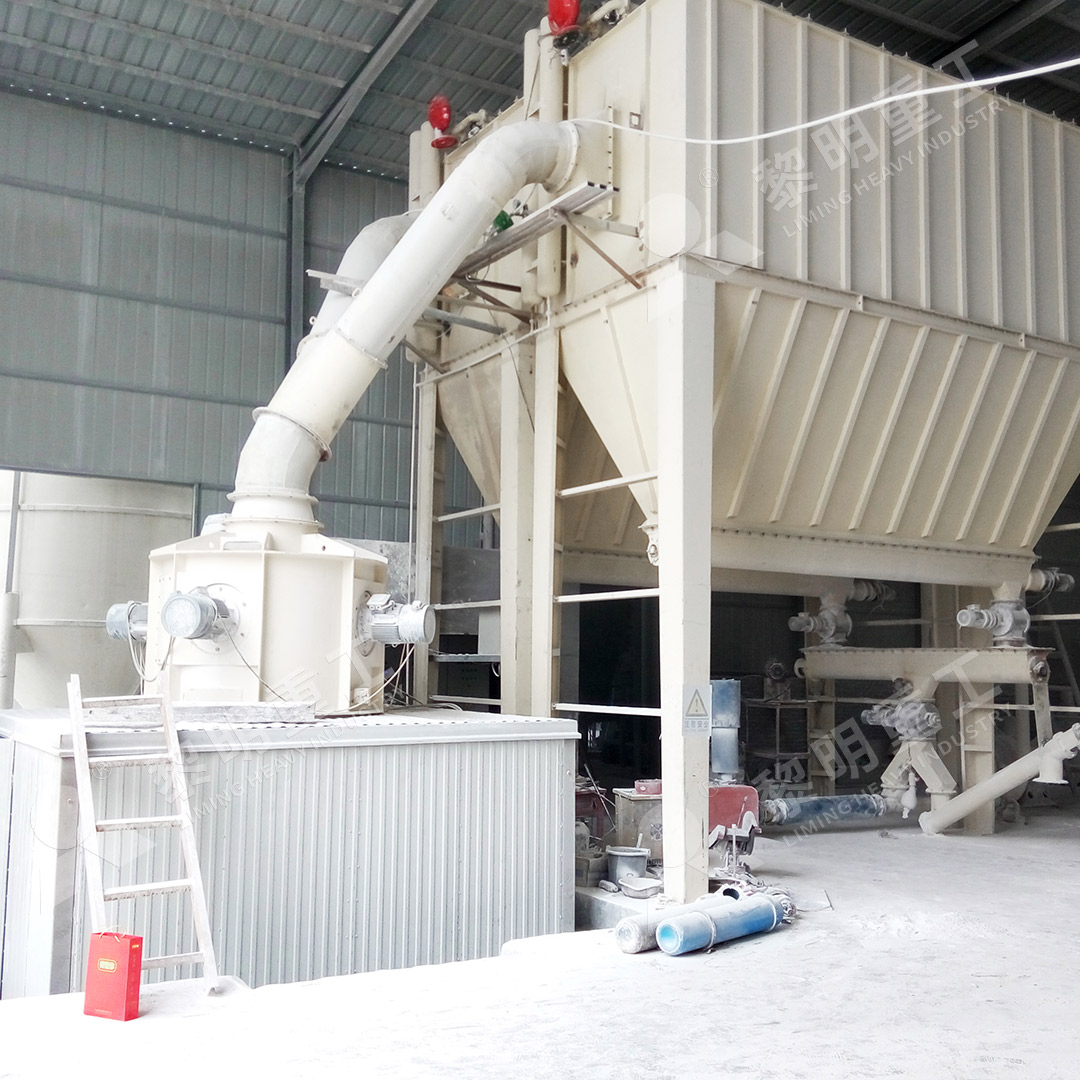
A DIY hammer mill is excellent for occasional use and getting started. However, if your operation scales up or you require ultra-fine powder for maximum gold recovery, the limitations of a home-built unit become apparent. Inefficiency, dust control, and consistent particle size can be challenging. For professional-grade, high-yield fine powder production, our MW Ultrafine Grinding Mill is an ideal solution. Designed for customers needing to make ultra-fine powder, it offers significantly higher yields and lower energy consumption compared to jet or ball mills. With adjustable fineness between 325-2500 meshes and an efficient pulse dust collector for eco-friendly operation, it’s built for serious processing. For operations requiring integrated drying and grinding of slightly larger feed sizes, the LM Vertical Grinding Mill integrates crushing, drying, grinding, and classifying into a compact system, reducing energy consumption by 30%-40%.
Frequently Asked Questions (FAQ)
What size motor do I need for a DIY hammer mill?
A 5 to 10 horsepower (HP) electric or gasoline engine is typically sufficient for a small-scale home-built hammer mill designed for gold ore.
What is the best screen size for crushing gold ore?
For effective liberation of gold, a screen with 1/8-inch (about 3 mm) or even 1/16-inch (about 1.5 mm) holes is recommended. The finer the crush, the more gold you can recover, but it will take more time and power.
How can I control dust from my DIY mill?
Dust is a major challenge. Simple methods include operating the mill inside a well-ventilated shed or using a tarpaulin enclosure. For better control, consider connecting a shop vacuum with a fine filter to a port on the mill’s housing.
Can I use my DIY hammer mill for other materials?
Yes, with the appropriate screen, a hammer mill can crush a variety of brittle materials like glass, concrete, or other minerals. Always ensure the material is dry and free of metals that could damage the hammers.