
How to Build a Ball Mill for Grinding and Processing Ore
We provide a wide range of mills — including Raymond mill, trapezoidal mill, vertical mill, ultrafine mill, and ball mill, obtained ISO9001 international quality certification, EU CE certification, and Customs Union CU-TR certification. Suitable for processing minerals such as limestone, phosphate, quicklime, kaolin, talc, barite, bentonite, calcium carbonate, dolomite, coal, gypsum, clay, carbon black, slag, cement raw materials, cement clinker, and more.
The discharge range of these mills can be adjusted to meet specific processing needs, typically from 80-400 mesh, 600-3250 mesh, and can achieve the finest particle size of up to 6000 mesh(D50).
If you are looking for a reliable grinding solution to turn stone or minerals into fine powder, please feel free to contact our online customer service.
How to Build a Ball Mill for Grinding and Processing Ore
Building a ball mill for ore processing is a fundamental skill for many in the mining and mineral processing industries. While commercial units offer superior efficiency and reliability, understanding the construction and principles behind a ball mill is invaluable. This guide will walk you through the basic steps and considerations.
Understanding the Basics
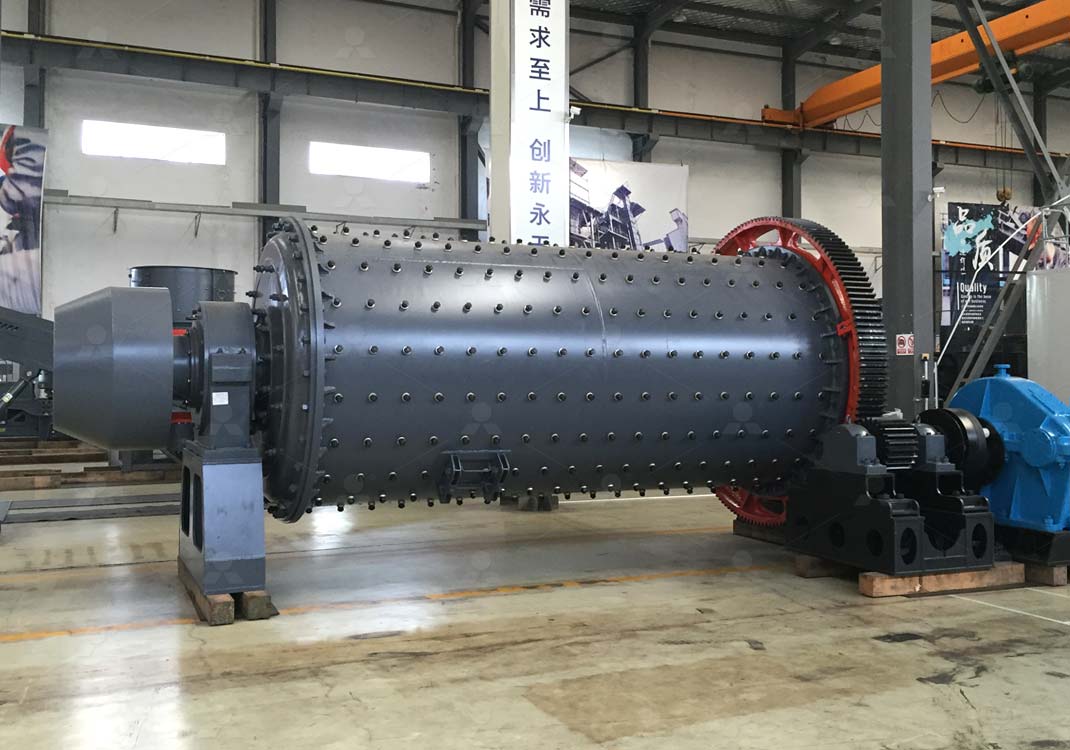
A ball mill is a type of grinder used to grind and blend materials for use in mineral dressing processes, paints, pyrotechnics, ceramics, and selective laser sintering. It works on the principle of impact and attrition: size reduction is done by impact as the balls drop from near the top of the shell. A ball mill consists of a hollow cylindrical shell rotating about its axis. The axis of the shell may be either horizontal or at a small angle to the horizontal. It is partially filled with grinding media (balls), which can be made of steel (chrome steel), stainless steel, ceramic, or rubber. The inner surface of the cylindrical shell is usually lined with an abrasion-resistant material such as manganese steel or rubber. Less wear takes place in rubber lined mills.
Key Components and Construction Steps
1. The Cylinder (Drum): This is the main body of the mill. You can use a large metal drum, a heavy-duty plastic container, or even a sturdy ceramic jar. The material needs to be extremely robust to withstand the constant impact of the grinding media. The size will determine your batch capacity.
2. The Grinding Media: The ‘balls’ in the ball mill. The size and material of the grinding media are critical. For ore grinding, hardened steel or iron balls are common. The size of the balls should be selected based on the initial and desired final particle size of your ore.
3. The Drive System: This is what rotates the drum. A common DIY approach is to use an electric motor (e.g., from an old washing machine) connected to a system of pulleys and belts to achieve the desired rotational speed. The critical speed is the speed at which the contents of the mill centrifuge and no grinding occurs. You typically want to operate at 65%-75% of the critical speed.
4. The Base and Bearings: The entire assembly must be mounted on a solid, stable base. The cylinder’s axle needs to be supported by strong bearings that can handle the significant load and rotational force.
Limitations of a Homemade Ball Mill & A Professional Alternative
While building a mill is an educational project, it comes with significant drawbacks for serious ore processing: inconsistent grind size, high energy consumption, dust and noise pollution, safety concerns, and limited capacity. For reliable, efficient, and high-yield production, investing in professional equipment is essential.
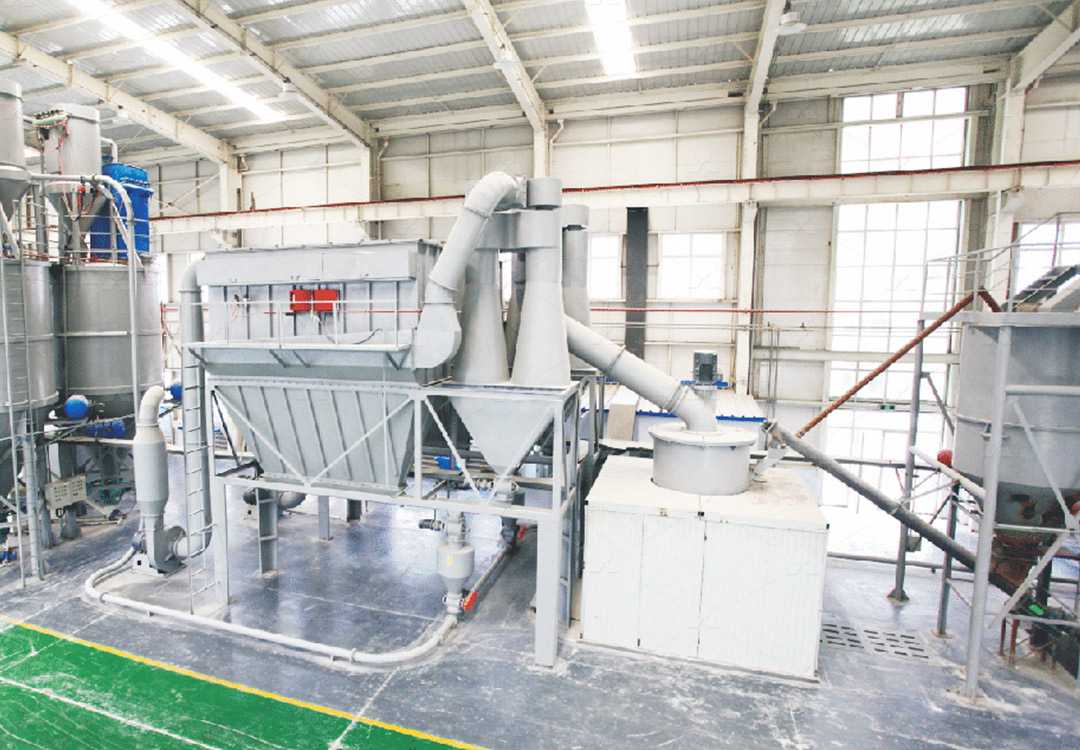
For operations requiring ultra-fine powders, our MW Ultrafine Grinding Mill is an exceptional solution. Designed for customers who need to make ultra-fine powder, this machine is engineered for higher yielding and lower energy consumption. Its newly designed grinding curves of the grinding roller and ring enhance efficiency dramatically. With the same fineness and power, its production capacity is 40% higher than jet mills and twice as large as ball mills, while system energy consumption is only 30% of a jet mill. It features adjustable fineness between 325-2500 meshes and is equipped with an efficient pulse dust collector and muffler, making the entire production process more eco-friendly with reduced dust and noise.
Operational Considerations
Once constructed, operating your ball mill requires attention to detail. The charge volume, or the fraction of the mill volume filled with grinding media, is typically around 30-50%. The ore is added to the mill along with a suitable feed size, often pre-crushed to below a certain size (e.g., 1/2 inch). The grinding time can vary from hours to days depending on the material and desired fineness. Always ensure proper ventilation if processing materials that could generate dust or heat.
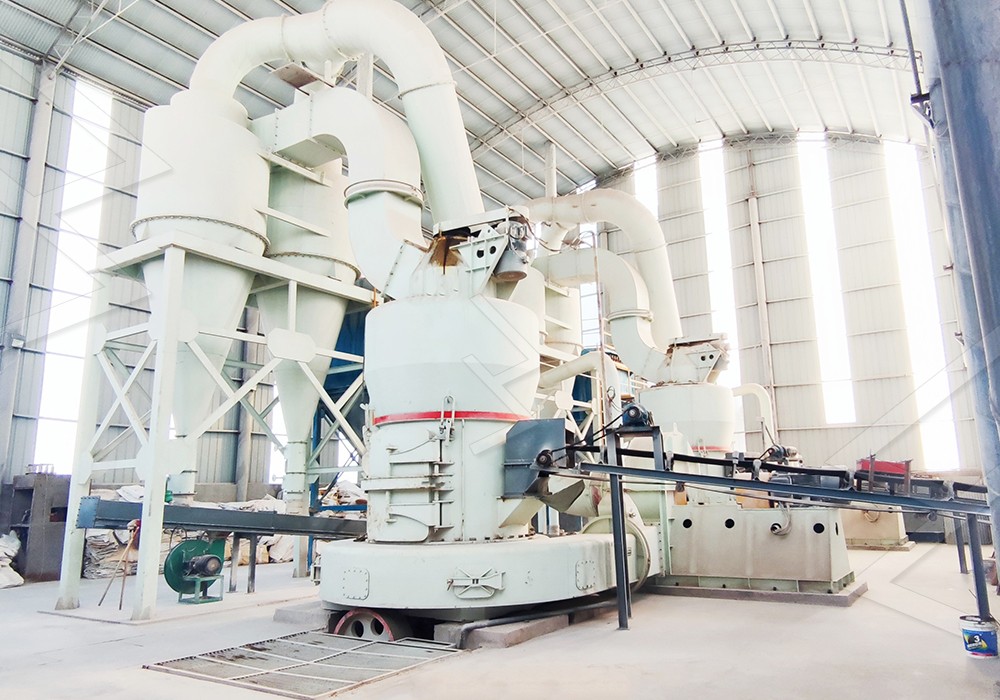
Another robust option for larger scale operations is the LM Vertical Grinding Mill. It integrates crushing, drying, grinding, classifying, and conveying together, specializing in non-metallic minerals, pulverized coal, and slag. Its coverage area is reduced by 50% compared with a ball mill, and it saves 30%-40% in energy consumption. It offers short grinding time, low iron content in the final product, and is designed for greener, more automated operation with minimal dust spillage.
Conclusion
Building a basic ball mill is a achievable project that provides great insight into the principles of comminution. However, for consistent, high-volume, and efficient ore processing necessary in commercial applications, professionally designed and manufactured mills like our MW Ultrafine Grinding Mill or LM Vertical Grinding Mill are irreplaceable. They offer precision, reliability, energy efficiency, and environmental controls that a homemade setup cannot match, ensuring optimal processing results and a better return on investment.