
How to Build a Ball Mill for Gold Processing at Home
We provide a wide range of mills — including Raymond mill, trapezoidal mill, vertical mill, ultrafine mill, and ball mill, obtained ISO9001 international quality certification, EU CE certification, and Customs Union CU-TR certification. Suitable for processing minerals such as limestone, phosphate, quicklime, kaolin, talc, barite, bentonite, calcium carbonate, dolomite, coal, gypsum, clay, carbon black, slag, cement raw materials, cement clinker, and more.
The discharge range of these mills can be adjusted to meet specific processing needs, typically from 80-400 mesh, 600-3250 mesh, and can achieve the finest particle size of up to 6000 mesh(D50).
If you are looking for a reliable grinding solution to turn stone or minerals into fine powder, please feel free to contact our online customer service.
How to Build a Ball Mill for Gold Processing at Home
For the dedicated hobbyist or small-scale prospector, processing gold ore at home can be a rewarding endeavor. Building your own ball mill is a cost-effective way to crush and grind ore into a fine powder, liberating the precious gold particles for further recovery. While commercial operations rely on heavy-duty machinery, a DIY approach is feasible with some basic engineering skills.
Understanding the Basics of a Ball Mill
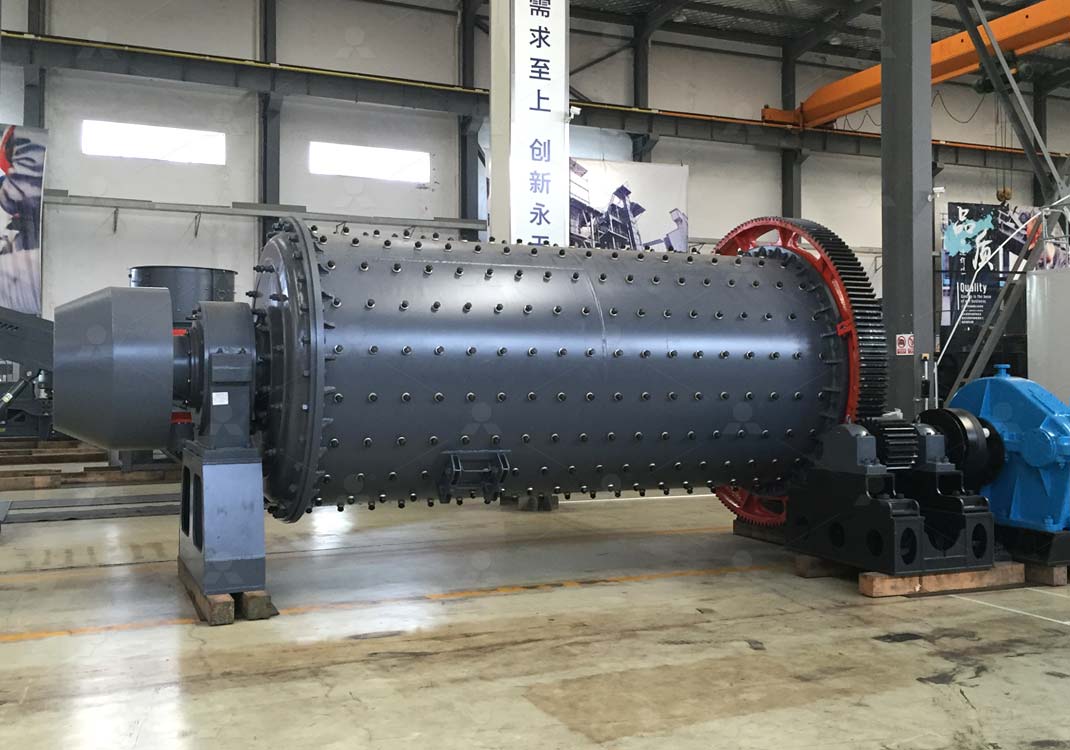
A ball mill works on a simple principle: a rotating cylinder filled with grinding media (typically steel balls) cascades and tumbles the ore, crushing and grinding it through impact and attrition. The key components you’ll need to source or fabricate include:
- A cylindrical drum (can be made from a large metal pipe, drum, or even a heavy-duty plastic bucket).
- Two end caps with trunnions (axles) to allow the drum to rotate.
- A drive system: an electric motor, pulleys, and a belt.
- Grinding media: hardened steel balls, lead balls, or even large rocks.
- A sturdy frame to hold everything together.
Step-by-Step Construction Guide
1. Building the Drum: Your drum should be strong enough to withstand the constant tumbling of heavy grinding media. A section of 12-inch diameter steel pipe or a small barrel is ideal. Weld solid end caps onto it. Precisely center and weld a trunnion (a short shaft) to each end cap. Ensure these axles are perfectly aligned, or the mill will wobble excessively.
2. Creating the Frame: Construct a robust frame from heavy-duty steel channel or angle iron. The frame must support the drum, the motor, and bear the dynamic loads during operation. Mount pillow block bearings on the frame to hold the trunnions and allow the drum to spin freely.
3. The Drive System: A typical ½ to 1 HP electric motor is sufficient for a small mill. Use a pulley system to reduce the motor’s RPM to the optimal speed for your drum size—usually around 60-70% of its critical speed (the speed at which the contents centrifuge). A V-belt and pulleys are the simplest way to achieve this.
4. Loading and Operation: Feed your crushed ore (to about 1/2″ size) into the drum along with your grinding media. A good starting point is a 50% media charge. Run the mill for several hours; the required time depends on the hardness of your ore. Always use proper safety gear, especially hearing protection, as the noise can be significant.
Limitations of a Homemade Mill and a Professional Alternative
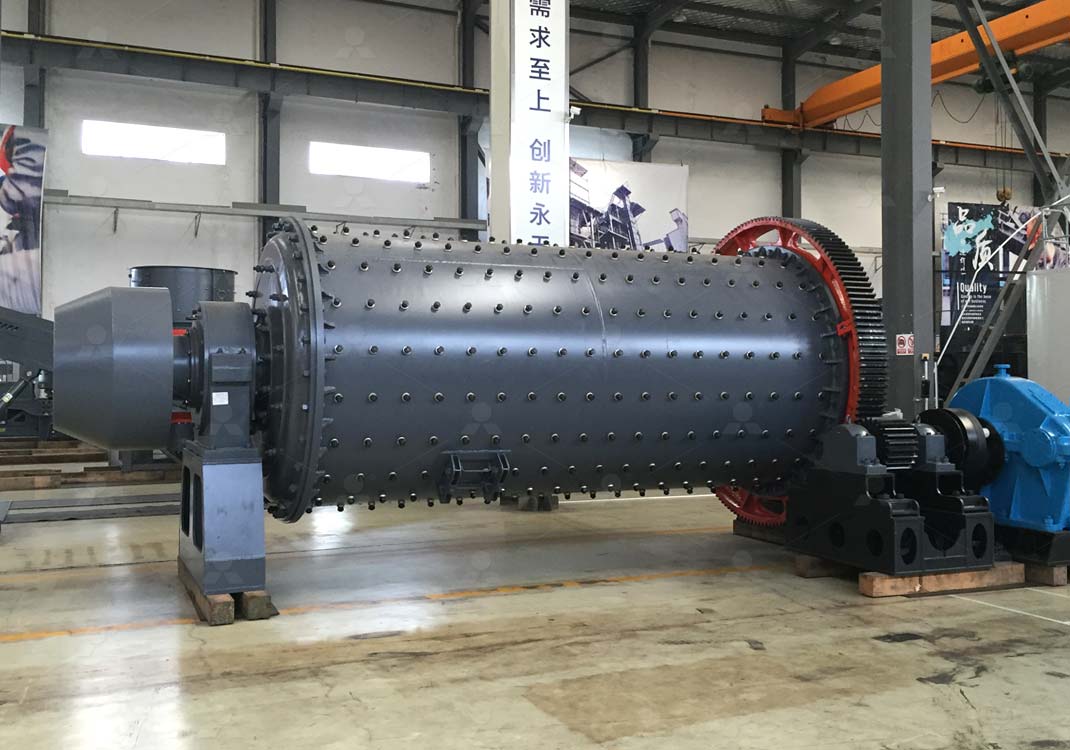
While a DIY ball mill is excellent for occasional use and small batches, it has significant limitations. It’s inefficient, noisy, messy, and achieving a consistently ultra-fine grind (often necessary to free microscopic gold) is nearly impossible. The process is also very time-consuming.
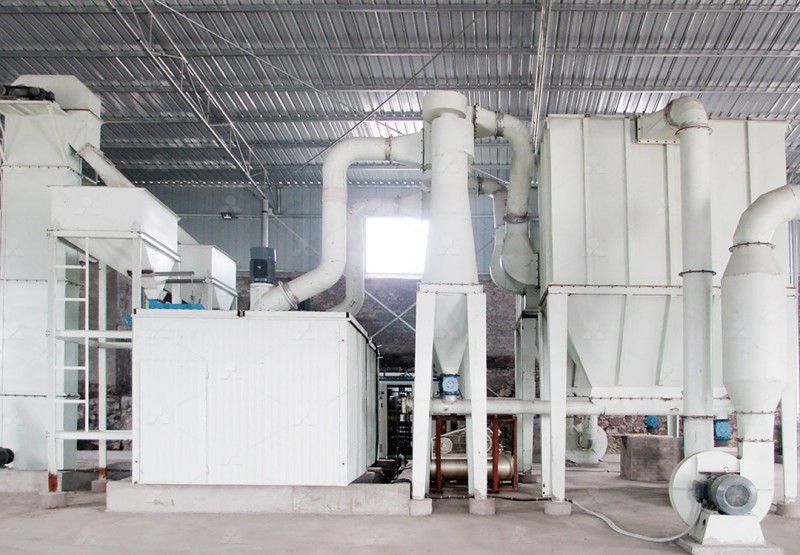
For those looking to process material more efficiently and on a larger scale, investing in professional equipment is the logical next step. Our MW Ultrafine Grinding Mill is engineered to overcome all the challenges of a homemade setup. Designed for customers who need to make ultra-fine powder, this machine is a powerhouse. It handles an input size of 0-20 mm with a capacity ranging from 0.5 to 25 tons per hour.
The MW Mill boasts features a home-built unit could never match: higher yielding at lower energy consumption (40% higher capacity than jet mills), adjustable fineness between 325-2500 meshes, and a design with no rolling bearings or screws in the grinding chamber for enhanced reliability. Most importantly for the home operator, it’s equipped with an efficient pulse dust collector and muffler, making the entire production process clean and quiet—something a makeshift ball mill in your garage could never achieve.
Conclusion
Building a ball mill is a fantastic project that provides deep insight into mineral processing. It’s a perfect starting point for understanding the fundamentals of liberating gold from ore. However, for serious, efficient, and environmentally conscious processing, professional equipment like our MW Ultrafine Grinding Mill is the superior choice, transforming a labor-intensive hobby into a viable small-scale operation.