
How to Build a Ball Mill for Crushing Quartz at Home
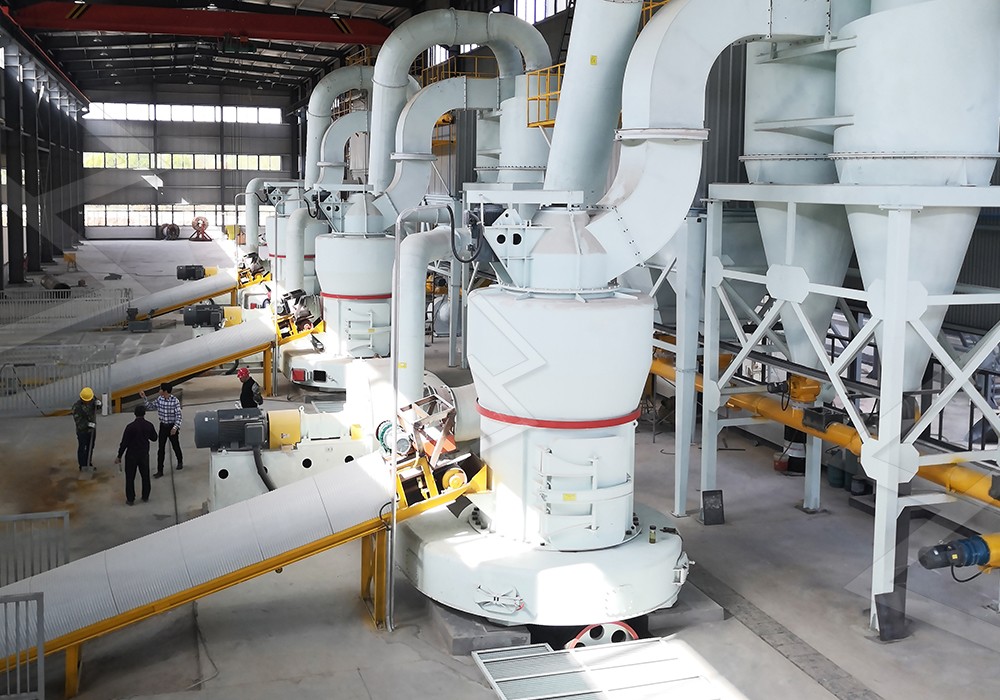
We provide a wide range of mills — including Raymond mill, trapezoidal mill, vertical mill, ultrafine mill, and ball mill, obtained ISO9001 international quality certification, EU CE certification, and Customs Union CU-TR certification. Suitable for processing minerals such as limestone, phosphate, quicklime, kaolin, talc, barite, bentonite, calcium carbonate, dolomite, coal, gypsum, clay, carbon black, slag, cement raw materials, cement clinker, and more.
The discharge range of these mills can be adjusted to meet specific processing needs, typically from 80-400 mesh, 600-3250 mesh, and can achieve the finest particle size of up to 6000 mesh(D50).
If you are looking for a reliable grinding solution to turn stone or minerals into fine powder, please feel free to contact our online customer service.
How to Build a Ball Mill for Crushing Quartz at Home
For the dedicated DIY enthusiast or small-scale prospector, building a ball mill for crushing quartz can be a rewarding project. A homemade ball mill allows you to process raw quartz ore into a fine powder, which is essential for gold recovery or other applications. While industrial grinding is best left to professional machines like our MW Ultrafine Grinding Mill, a small home-built version can be effective for hobbyist use.

Materials and Tools You’ll Need
To get started, you’ll need a few key components. The main drum can be made from a large metal or heavy-duty plastic container, like a 5-gallon bucket or a length of large-diameter PVC pipe. You’ll need a motor to rotate the drum; a used treadmill motor is a popular choice for its variable speed control. Other essentials include steel rods for the axle, bearings to support the drum, a pulley system, and of course, the grinding media—typically hardened steel balls or even lead musket balls.
Step-by-Step Assembly Guide
First, securely mount your bearings to a sturdy frame, often constructed from 2×4 lumber or steel struts. The drum should be attached to an axle that runs through its center and is supported by these bearings. Connect your motor to the axle via a pulley and belt system, ensuring the speed is reduced to an appropriate RPM—usually between 60 and 100 revolutions per minute for effective grinding. Don’t forget to create a secure, removable lid for the drum to add your material and grinding media and to prevent dust from escaping. Remember, proper ventilation and a dust mask are crucial when operating.
Important Saftey Considerations
SAFETY FIRST! This cannot be overstated. Wear safety glasses at all times during construction and operation. The mill will create dust, so operating it outdoors or in a very well-ventilated area is mandatory to avoid inhaling fine silica dust, which is extremely hazardous. Ensure all electrical connections for the motor are safe and insulated. The drum must be perfectly balanced to prevent violent shaking that could break the setup apart.
Limitations and When to Go Pro
A homemade ball mill is great for small batches, but it’s messy, noisy, and inefficient compared to commercial equipment. For serious, high-volume, or ultra-fine grinding needs, a professional machine is the only way to go. For instance, our MW Ultrafine Grinding Mill is engineered for precisely this task. It handles input up to 20mm and can process between 0.5 to 25 tons per hour, producing a precise powder between 325-2500 meshes. It features an efficient pulse dust collector and muffler, making it environmentally friendly and much safer than any homemade alternative. Its innovative design has no rolling bearings or screws in the grinding chamber, eliminating common failure points and allowing for worry-free, 24/7 operation.
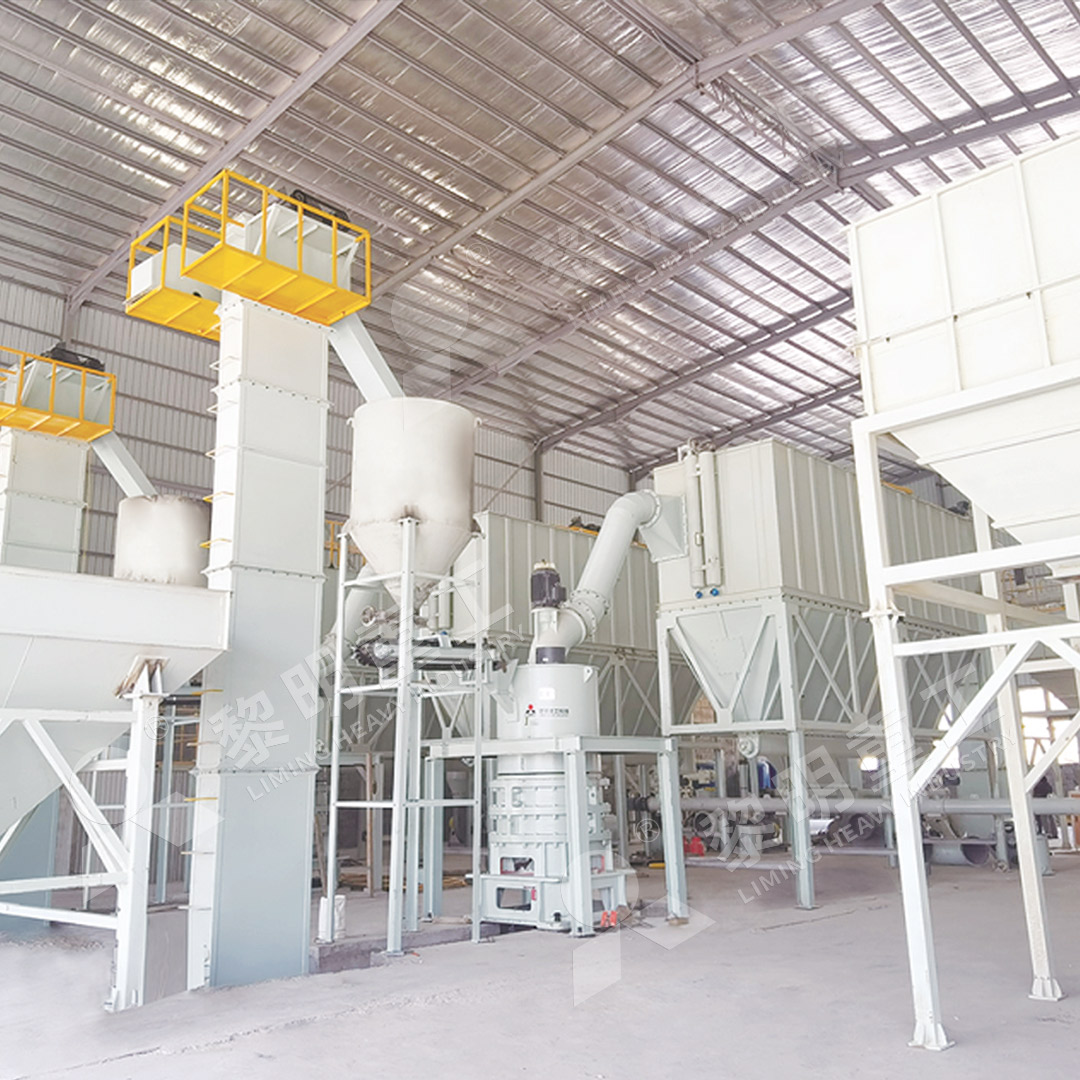
Building your own mill is an excellent learning experience. However, for consistent results, high yield, and minimal environmental impact, investing in a robust industrial grinder like the MW Ultrafine Grinding Mill is the professional’s choice. It transforms the labor-intensive process of crushing quartz into a clean, efficient, and highly controlled operation.