How to Build a Ball Mill for Crushing Gold Ore
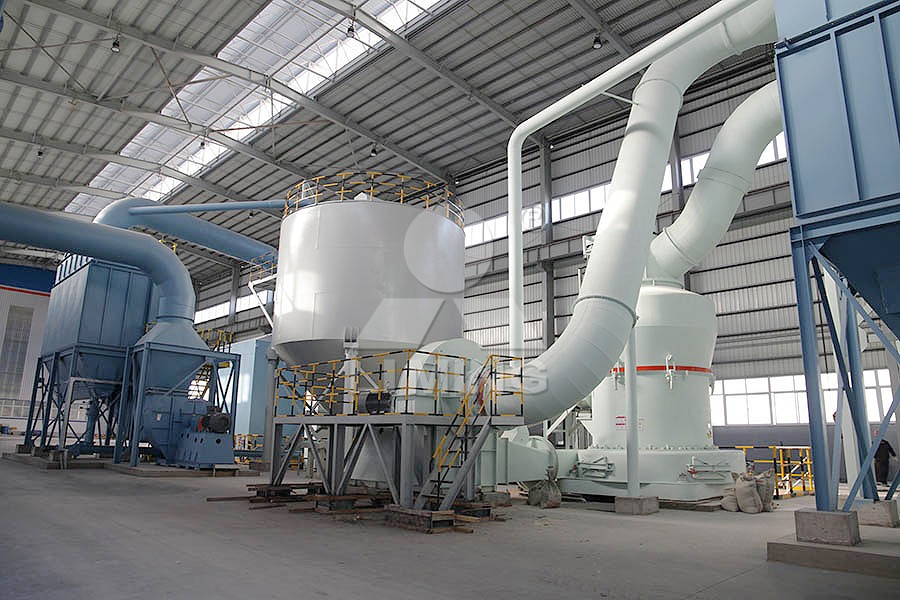
We provide a wide range of mills — including Raymond mill, trapezoidal mill, vertical mill, ultrafine mill, and ball mill, obtained ISO9001 international quality certification, EU CE certification, and Customs Union CU-TR certification. Suitable for processing minerals such as limestone, phosphate, quicklime, kaolin, talc, barite, bentonite, calcium carbonate, dolomite, coal, gypsum, clay, carbon black, slag, cement raw materials, cement clinker, and more.
The discharge range of these mills can be adjusted to meet specific processing needs, typically from 80-400 mesh, 600-3250 mesh, and can achieve the finest particle size of up to 6000 mesh(D50).
If you are looking for a reliable grinding solution to turn stone or minerals into fine powder, please feel free to contact our online customer service.
How to Build a Ball Mill for Crushing Gold Ore
Building a ball mill for gold ore processing is a fundamental skill for many small-scale miners and hobbyists. While industriall-scale operations use sophistocated machinery, a DIY ball mill can be a cost-effective solution for testing and small batch processing. The basic principle involves a rotating cylinder filled with grinding media, like steel balls, that crushes the ore into a fine powder, liberating the gold particles for further extraction.
Key Components and Construction Steps
The main components you’ll need are a cylindrical container (a large drum or pipe), a drive motor, a pulley system, and bearings. The cylinder is typically made from heavy-duty steel to withstand the abrasion. You’ll need to weld or bolt sturdy end caps with a hollow axle on each end to allow the mill to rotate. The motor should have enough power to rotate the loaded drum; a ½ to 1 HP electric motor is often sufficient for a small mill. Remember to incorporate a safety cage around the rotating drum to prevent accidents.
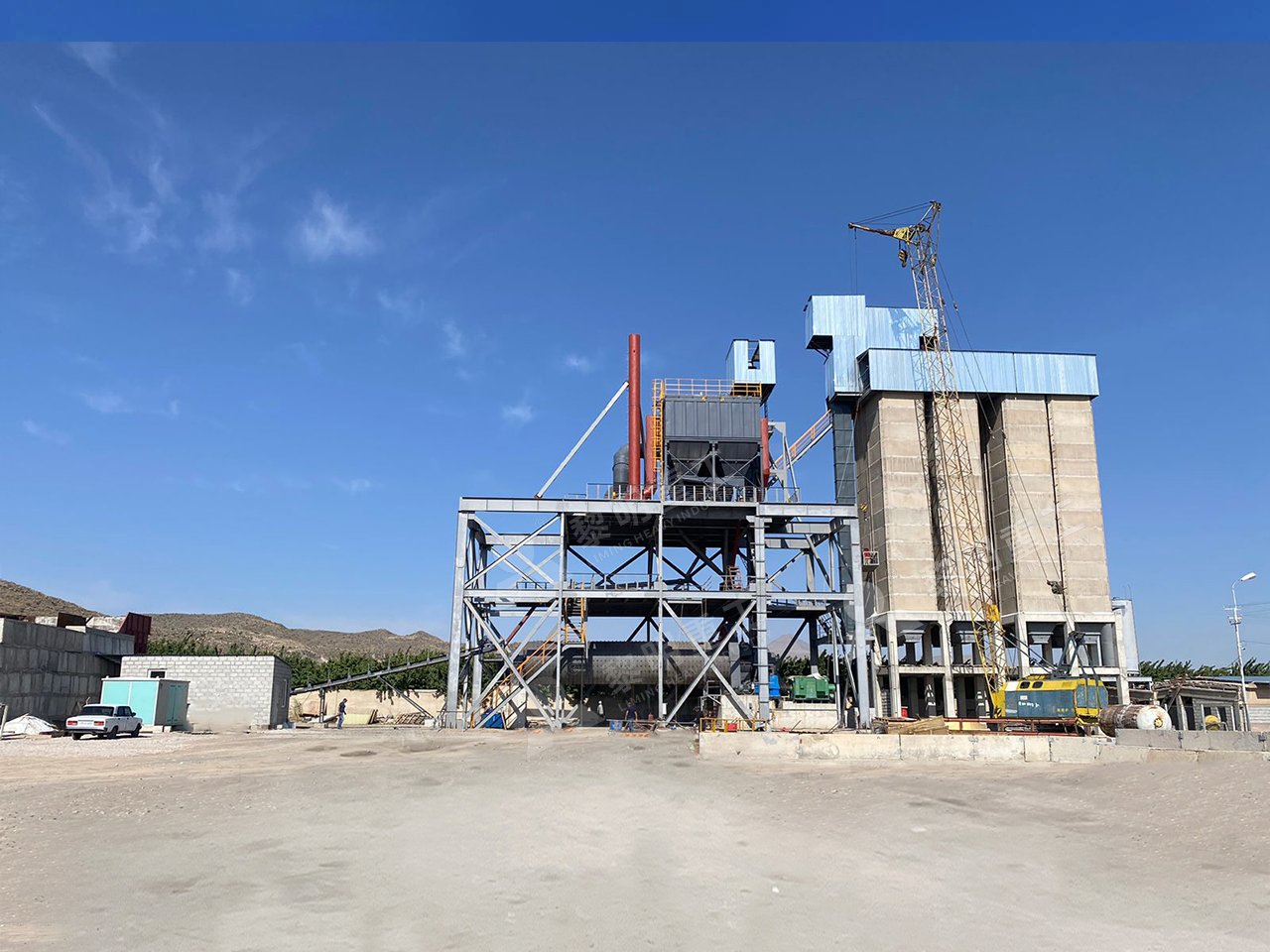
Choosing the right grinding media is crucial. For gold ore, hardened steel balls ranging from 1/2 inch to 2 inches in diameter are common. The ore should be crushed to about 1/2″ or smaller by a jaw crusher before being fed into the ball mill. The ratio of ore to balls, the rotation speed (usually 65-75% of critical speed), and the grinding time all affect the final fineness. It’s a process of trial and error to find the optimal settings for your specific ore.
Limitations and When to Consider an Upgrade
While a DIY ball mill is a great learning project, it has significant limitations. It can be inefficient, energy-intensive, noisy, and often produces a lot of dust. For consistent, high-volume, and fine grinding required to maximize gold recovery, a commercial-grade mill is far superior. This is where our company’s expertise and advanced machinery come into play.
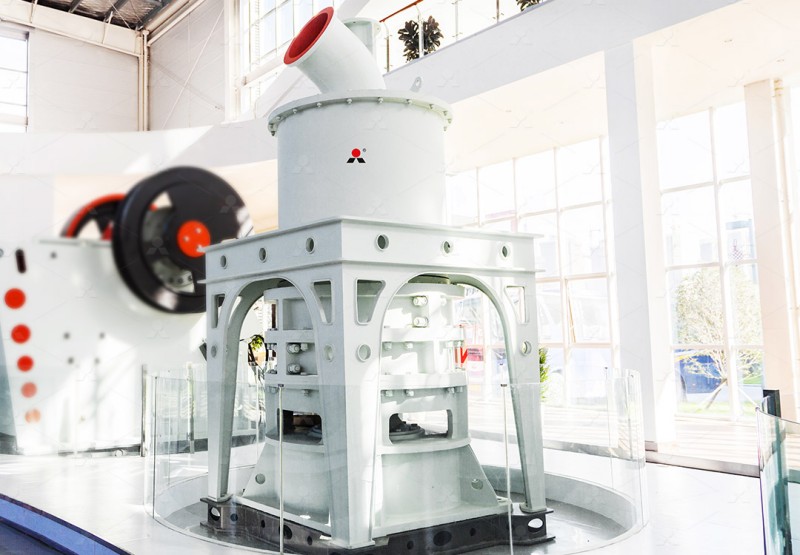
For operations that have outgrown a basic ball mill, we highly recommend our MW Ultrafine Grinding Mill. This machine is engineered for customers who need to make ultra-fine powder efficiently. With an input size of 0-20 mm and a capacity ranging from 0.5 to 25 tons per hour, it’s perfectly suited for precious metal processing. It features higher yielding and lower energy consumption—its production capacity is 40% higher than jet mills and its system energy consumption is only 30% of them. It can achieve an adjustable fineness between 325-2500 meshes, ensuring your gold ore is ground to the perfect consistency for maximum recovery. Furthermore, its efficient pulse dust collector makes the operation eco-friendly, a significant advantage over dusty DIY setups.
Conclusion
Building your own ball mill is a rewarding project that provides hands-on understanding of ore processing. It’s a viable entry point for testing and small-scale work. However, for serious, efficient, and environmentally conscious production, investing in professional equipment like our MW Ultrafine Grinding Mill is the logical next step. It offers precision, reliability, and power that a homemade mill simply cannot match, ultimately leading to better recovery rates and a more profitable operation.