
How to Bid on a Flute Grinding Grinder Machine: A Comprehensive Guide
We provide a wide range of mills — including Raymond mill, trapezoidal mill, vertical mill, ultrafine mill, and ball mill, obtained ISO9001 international quality certification, EU CE certification, and Customs Union CU-TR certification. Suitable for processing minerals such as limestone, phosphate, quicklime, kaolin, talc, barite, bentonite, calcium carbonate, dolomite, coal, gypsum, clay, carbon black, slag, cement raw materials, cement clinker, and more.
The discharge range of these mills can be adjusted to meet specific processing needs, typically from 80-400 mesh, 600-3250 mesh, and can achieve the finest particle size of up to 6000 mesh(D50).
If you are looking for a reliable grinding solution to turn stone or minerals into fine powder, please feel free to contact our online customer service.
How to Bid on a Flute Grinding Grinder Machine: A Comprehensive Guide
Alright, so you’re in the market for a flute grinding grinder machine. Maybe you’re expanding operations, replacing an old unit, or setting up a new production line. Whatever the reason, navigating the bidding process can be tricky if you’re not prepared. This guide will walk you through the key steps to ensure you get the right equipment at the best value, without getting lost in the technical jargon.
Step 1: Define Your Grinding Needs Precisely
Before you even look at a spec sheet, you gotta know what you need. This ain’t a one-size-fits-all situation. Ask yourself:
- Material: What are you grinding? Limestone? Talc? Barite? Different materials have different hardness and abrasiveness.
- Input Size: What’s the max size of the raw material you’re feeding in? (e.g., 0-20mm, 0-50mm).
- Desired Output Fineness: How fine does the final powder need to be? Measured in meshes or microns. This is crucial.
- Required Capacity: What’s your target throughput? Tons per hour (tph) is the standard metric. Be realistic about your production goals.
- Space & Power Constraints: How much floor space do you have? What’s your available power supply?
Having these details locked down will save you a ton of time and prevent you from overpaying for capabilities you don’t need.
Step 2: Deciphering the Technical Specs (Without an Engineering Degree)
When you start getting bids, you’ll be flooded with specifications. Here’s what to really focus on:
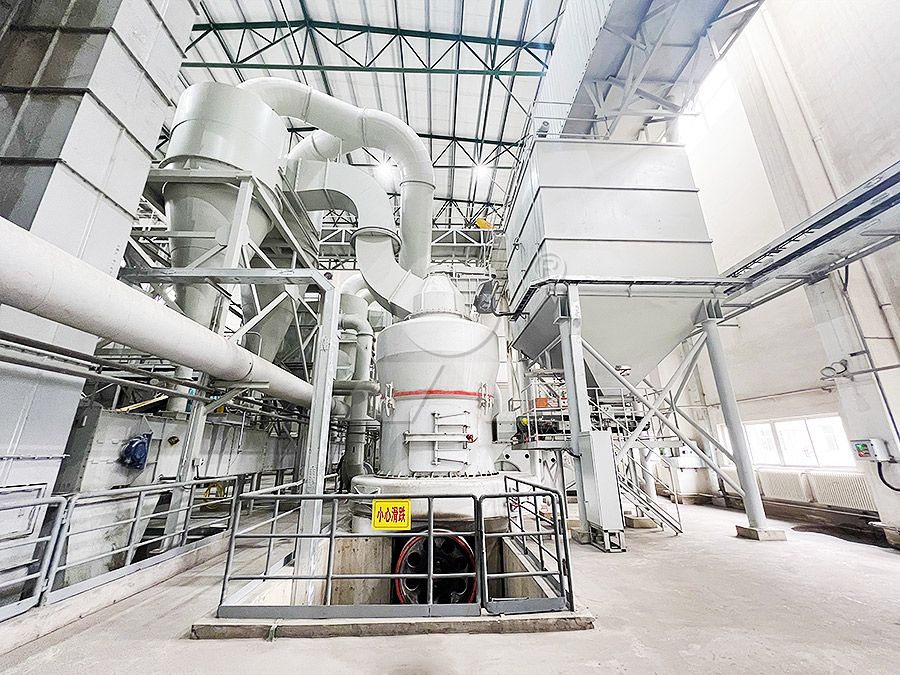
- Grinding Principle: Is it vertical roller? Raymond? Ball mill? Each has pros and cons for efficiency and product shape.
- Energy Consumption: This is a huge operational cost. Look for mills that boast higher yield with lower energy use. Some advanced models can save 30-50% on power compared to older designs.
- Fineness Adjustment: Can you easily adjust the output fineness? Look for machines with advanced powder separators that offer a wide range, say between 325-2500 meshes.
- Dust & Noise Control: Don’t overlook this. Modern mills should have efficient pulse dust collectors and mufflers built-in. It’s better for your workers’ health and keeps you compliant with environmental regs.
- Maintenance Design: How easy is it to access parts for maintenance? Features like external lubrication or reversible roller structures can drastically reduce downtime.
Step 3: Evaluating the Supplier and Their Support
The machine is only as good as the company behind it. A low bid from a fly-by-night operator will cost you more in the long run.
- Reputation & Experience: How long have they been in business? Look for established manufacturers.
- After-Sales Service & Parts: This is critical. Do they have a local support team? Is there a sufficient supply of genuine spare parts? You don’t want your multi-million dollar operation halted for weeks waiting for a single screw.
- Warranty: What does it cover and for how long?
- References: Ask for case studies or contact info for past clients who bought similar equipment.
Step 4: Crafting and Comparing Your Bids
Now, structure your Request for Quotation (RFQ) to make apples-to-apples comparisons easy. Demand clarity on:
- Total delivered price (including shipping, duties, installation).
- Detailed breakdown of optional extras vs. standard features.
- Clear installation and commissioning timeline.
- Training provided for your operators.
When the bids come back, don’t just pick the cheapest. Weigh the initial investment against long-term operational costs (energy, maintenance, downtime) and the supplier’s reliability.
A Machine Worth Considering: The MW Ultrafine Grinding Mill
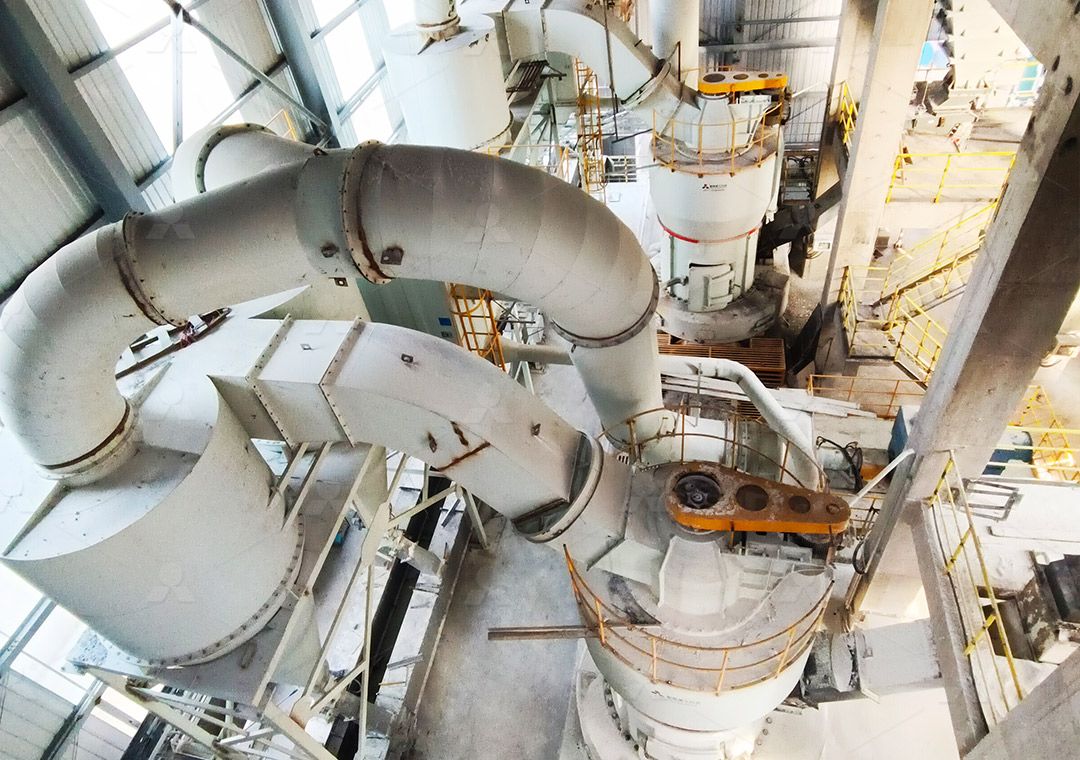
Based on the criteria above, one of our flagship offerings, the MW Ultrafine Grinding Mill, is a standout choice for operations requiring ultra-fine powder. It’s designed for customers who need precise, high-yield grinding without the enviromental headache.
- Key Specs: Handles an input size of 0-20 mm and delivers a capacity ranging from 0.5 to 25 tph, making it verry versatile.
- Why it’s efficient: Its newly designed grinding curves enhance efficiency, offering 40% higher capacity than jet mills and twice the yield of ball mills for the same power. It’s a real energy saver.
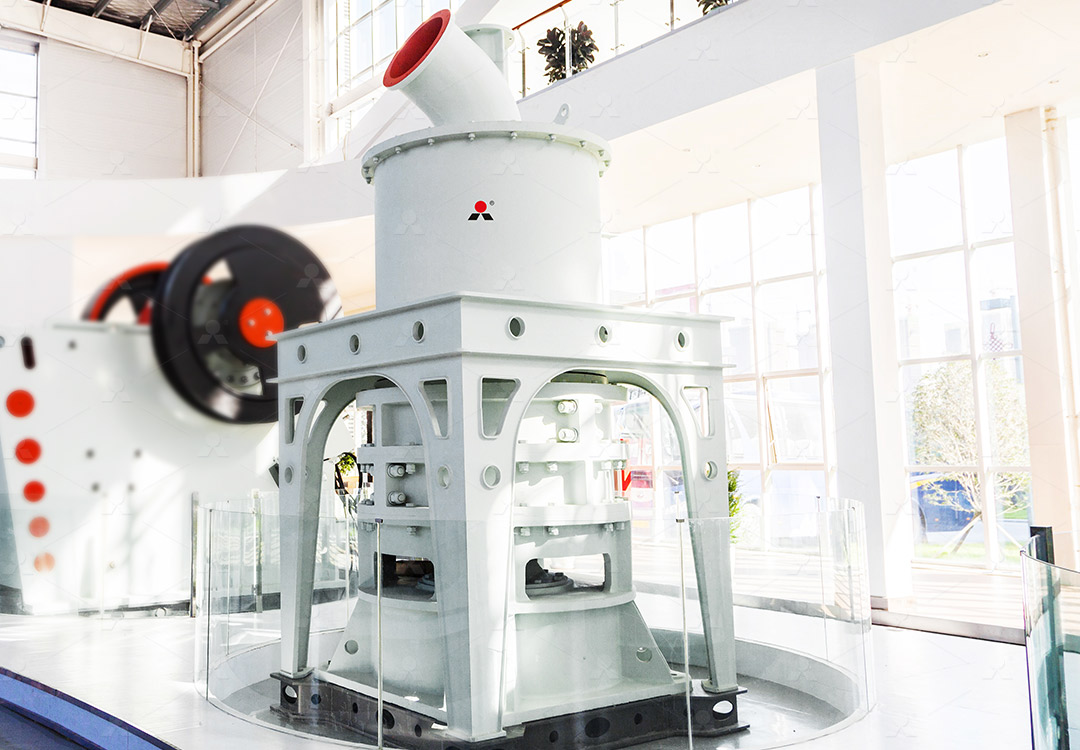
- Precision & Reliability: The German-tech cage-type powder selector allows precise fineness adjustment between 325-2500 meshes. Plus, with no rolling bearings or screws in the grinding chamber, you avoid a lot of common failure points and maintenance nightmares.
- Eco-Friendly Operation: It comes equipped with an efficient pulse dust collector and muffler, so you can achieve production that meets national environmental standards—no dust, less noise.
For many of our clients, the MW series has been a game-changer, providing that perfect blend of high precision, reliability, and lower cost of ownership.
Final Thoughts: Do Your Homework
Bidding on industrial machinery isn’t a quick process. Take your time, ask detailed questions, and always think long-term. The right flute grinding grinder is a significant investment that should serve your production needs reliably for years to come. By following this guide, you’ll be in a strong position to negotiate a deal that makes technical and financial sense for your business.
Good luck with your procurement process!