
How to Adjust the Outlet Particle Size of a 300-Mesh Coal Mill in a Power Plant
We provide a wide range of mills — including Raymond mill, trapezoidal mill, vertical mill, ultrafine mill, and ball mill, obtained ISO9001 international quality certification, EU CE certification, and Customs Union CU-TR certification. Suitable for processing minerals such as limestone, phosphate, quicklime, kaolin, talc, barite, bentonite, calcium carbonate, dolomite, coal, gypsum, clay, carbon black, slag, cement raw materials, cement clinker, and more.
The discharge range of these mills can be adjusted to meet specific processing needs, typically from 80-400 mesh, 600-3250 mesh, and can achieve the finest particle size of up to 6000 mesh(D50).
If you are looking for a reliable grinding solution to turn stone or minerals into fine powder, please feel free to contact our online customer service.
How to Adjust the Outlet Particle Size of a 300-Mesh Coal Mill in a Power Plant
Maintaining the correct particle size distribution from a coal mill is a critical operational parameter in any power generation facility. For a mill targeting a 300-mesh specification (approximately 50 microns), consistent output ensures optimal combustion efficiency, reduces unburned carbon, and minimizes emissions. This article outlines the primary methods for adjusting and controlling the fineness of pulverized coal.
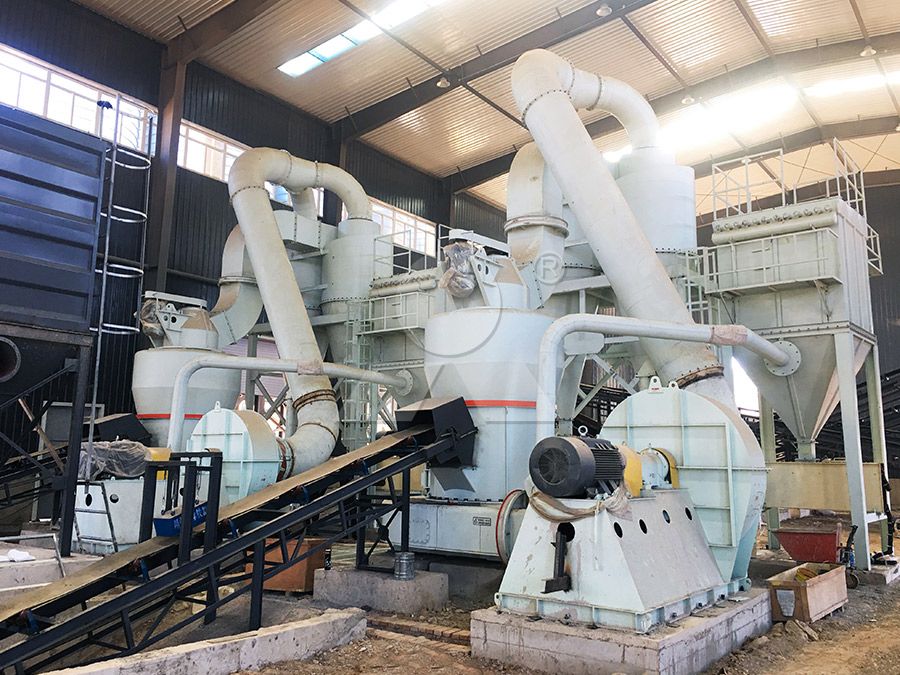
Key Factors Influencing Coal Mill Particle Size
Several interdependent factors govern the final product size from a coal mill. Understanding these is the first step toward effective control.
- Classifier Rotor Speed: This is the most direct and responsive control. Increasing the rotational speed of the classifier’s rotor creates a stronger centrifugal force, allowing only finer particles to pass through. Conversely, reducing the speed results in a coarser product.
- Grinding Pressure: The hydraulic pressure applied to the grinding rollers directly impacts the crushing force on the coal bed. Higher pressure produces finer particles but increases energy consumption and wear.
- Feed Rate: The rate at which raw coal is fed into the mill must be balanced. An excessively high feed rate can overload the mill, leading to a coarser output as particles are not ground sufficiently.
- Primary Air Flow: The air flowing through the mill carries the pulverized coal to the classifier and burners. Higher air velocity can carry coarser particles, while lower velocity may allow finer grinding but risks mill choking.
A Systematic Adjustment Procedure
Adjustments should be made methodically to avoid process instability. Always start by verifying the current fineness through a sieve analysis or laser particle analyzer.
- Baseline Measurement: Collect a representative sample of the pulverized coal from the mill outlet pipes and determine the current particle size distribution.
- Adjust Classifier Speed: If the product is too coarse, incrementally increase the classifier rotor speed. Monitor the mill’s motor amperage and differential pressure to ensure stable operation. Allow the system to stabilize for at least 15-30 minutes before sampling again.
- Fine-tune Grinding Pressure: If classifier adjustments are insufficient, consider increasing the grinding roller pressure. Be mindful that this will increase the mill’s power draw.
- Optimize Air and Feed: Ensure the primary air flow and coal feed rate are synchronized. The air-to-coal ratio is crucial for efficient transport and classification.
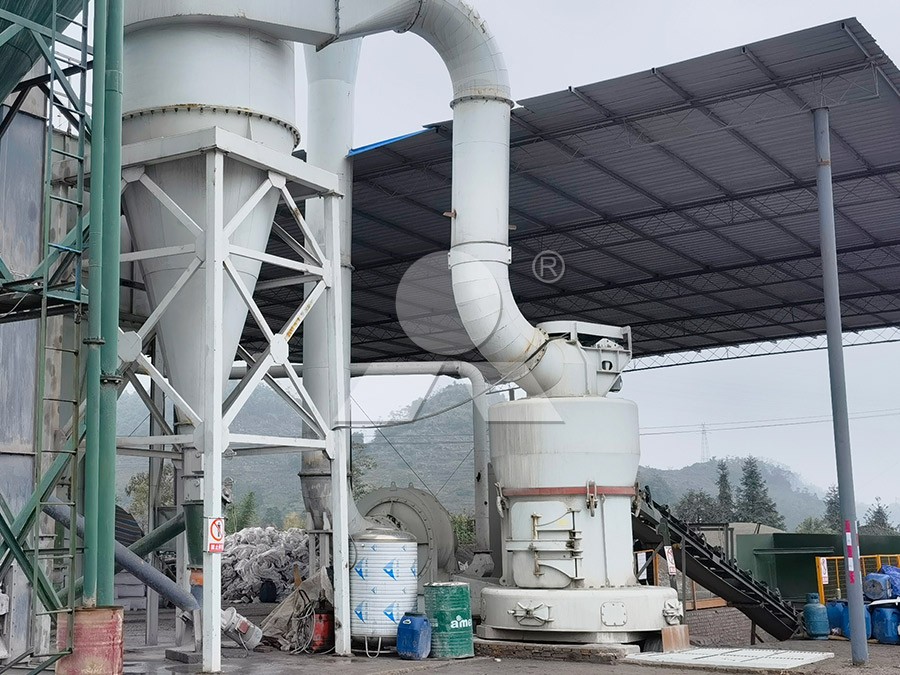
Modern Solutions for Enhanced Control
While traditional ball mills and Raymond mills are common, modern power plants are increasingly adopting advanced grinding technology for superior control and efficiency. For operations requiring precise control over a wide range of fineness, such as achieving a consistent 300-mesh product, the MW Ultrafine Grinding Mill presents a significant upgrade.
This mill is engineered for customers who need to make ultra-fine powder with high precision. Its cage-type powder selector, which incorporates German technology, allows for accurate adjustment of fineness between 325-2500 meshes. This means achieving and holding a stable 300-mesh output is well within its operational range. Furthermore, its design offers higher yielding and lower energy consumption—up to 40% higher capacity than jet mills with system energy consumption only 30% as much. The absence of rolling bearings and screws in the grinding chamber also enhances reliability, a critical factor for continuous power plant operation.
For larger-scale applications where vertical mill technology is preferred, the LUM Ultrafine Vertical Grinding Mill is another excellent option. It integrates ultrafine powder grinding, grading, and transporting with higher yielding rates and better quality finished product. Its multi-head powder separating technology, controlled by a PLC system, allows for precise control over the cutting point of the powder diameter, making it ideal for meeting specific fineness targets like 300-mesh.
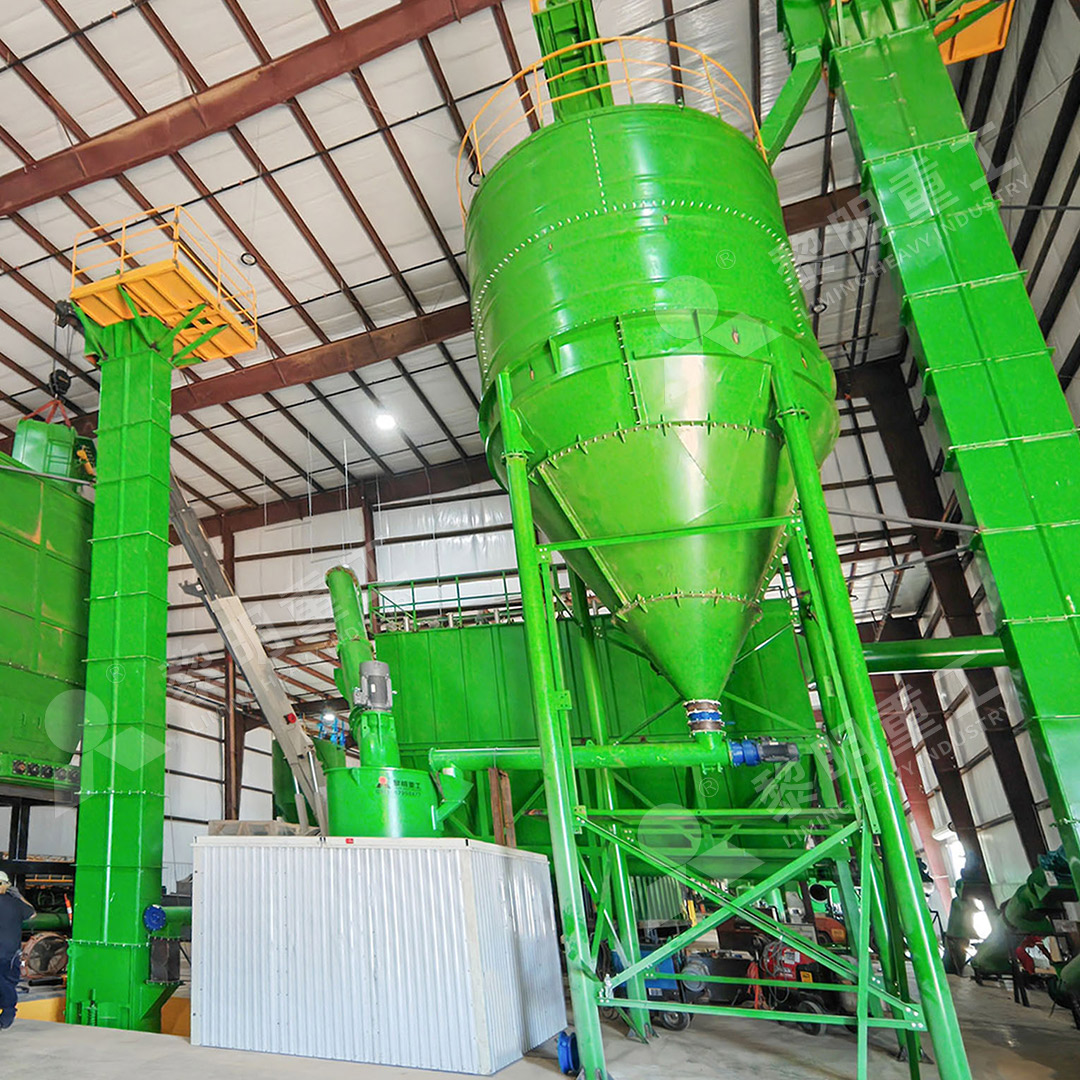
Conclusion
Precise control of coal mill outlet particle size is non-negotiable for efficient and environmentally compliant power generation. By systematically adjusting the classifier speed, grinding pressure, and feed parameters, operators can achieve the desired 300-mesh fineness. Investing in modern milling technology, such as the MW or LUM series mills, provides the advanced control mechanisms and energy efficiency necessary to meet these demands reliably.
Frequently Asked Questions (FAQ)
What is the most immediate adjustment to make for a coarse coal mill output?
The classifier rotor speed is the fastest-acting control. A slight increase in speed will typically yield a finer product within minutes.
How often should particle size analysis be performed?
For stable operation, analysis should be conducted at least once per shift. During adjustment periods or when coal quality changes frequently, sampling every 1-2 hours is recommended.
Can the MW Ultrafine Grinding Mill handle the throughput required for a medium-sized power plant?
Yes. The MW Mill has a capacity range of 0.5 to 25 tons per hour, making it suitable for various scales of operation, including auxiliary units or specific processes within a power plant that require ultra-fine coal powder.
What are the risks of setting the grinding pressure too high?
Excessively high grinding pressure leads to increased wear on rollers and the grinding table, higher vibration levels, and a significant rise in energy consumption without a proportional benefit in fineness.