
How to Adjust the Fineness of a Limestone Grinding Mill
We provide a wide range of mills — including Raymond mill, trapezoidal mill, vertical mill, ultrafine mill, and ball mill, obtained ISO9001 international quality certification, EU CE certification, and Customs Union CU-TR certification. Suitable for processing minerals such as limestone, phosphate, quicklime, kaolin, talc, barite, bentonite, calcium carbonate, dolomite, coal, gypsum, clay, carbon black, slag, cement raw materials, cement clinker, and more.
The discharge range of these mills can be adjusted to meet specific processing needs, typically from 80-400 mesh, 600-3250 mesh, and can achieve the finest particle size of up to 6000 mesh(D50).
If you are looking for a reliable grinding solution to turn stone or minerals into fine powder, please feel free to contact our online customer service.
How to Adjust the Fineness of a Limestone Grinding Mill
Getting the right fineness in your limestone powder is crucial for product quality and operational efficiency. It’s not just about turning a knob; it’s about understanding the interplay between your mill’s mechanics and the material itself. Here’s a breakdown of the key methods and some insider tips to master this process.
Primary Adjustment Methods
The most common way to control particle size is by manipulating the classifier or separator. In many modern mills, this is a cage-type powder selector. By adjusting the rotational speed of this classifier’s rotor, you directly influence the cut point. A higher speed creates greater centrifugal force, allowing only the finest particles to pass through. Conversely, a lower speed results in a coarser product as larger particles are not forced back down for regrinding.
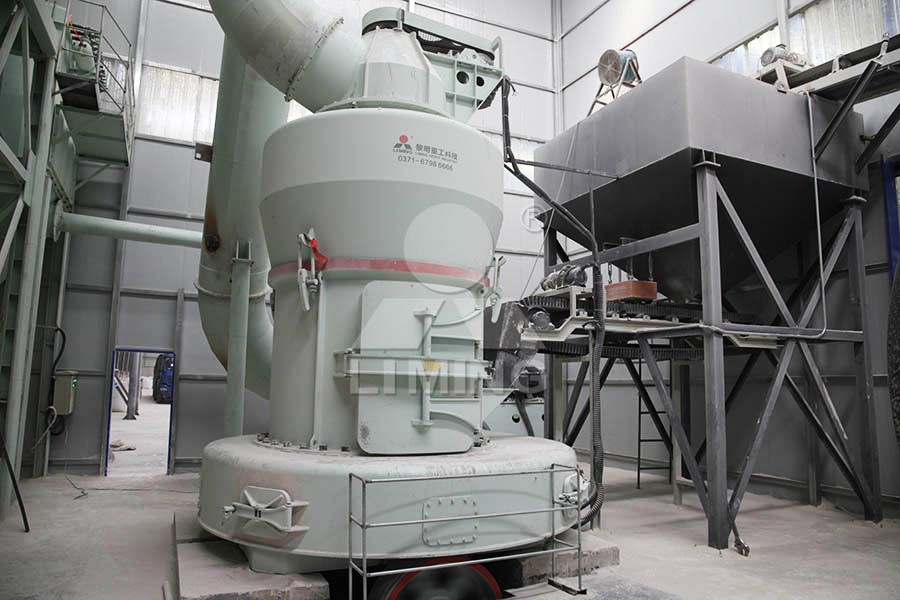
Another critical factor is the grinding pressure. Increased pressure applied by the grinding rollers onto the bed of material results in finer crushing. However, finding the sweet spot is key. Too much pressure can lead to excessive energy consumption and accelerated wear on your grinding parts.
Ancillary Factors Influencing Fineness
Don’t overlook the feed rate. Overloading the mill means material passes through too quickly without sufficient residence time to be ground to the desired fineness. A consistent and appropriately sized feed is essential for a consistent output.
The initial size of the limestone feed also plays a role. Consistently smaller input material (within the mill’s specified range, of course) is easier to reduce to a uniform ultra-fine powder compared to larger, variable chunks. A well-tuned crusher before the mill is a worthwhile investment.
Choosing the Right Mill for Precise Fineness Control
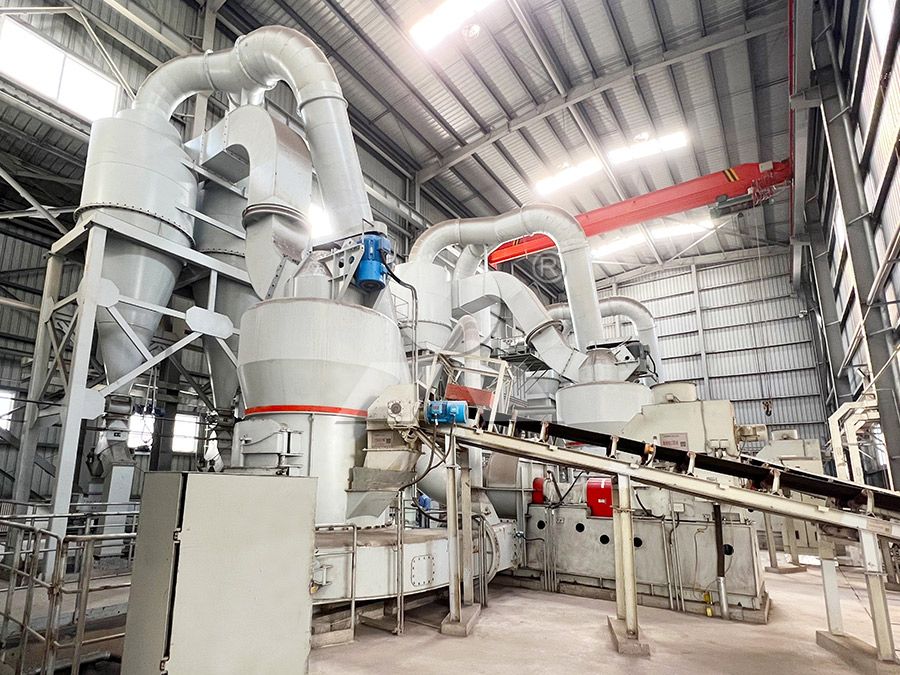
Not all mills are created equal when it comes to producing tightly controlled, ultra-fine limestone powder. While basic Raymond mills or ball mills can handle coarse grinding, achieving a precise, high-yield fineness between 325 and 2500 meshes requires more advanced technology.
For operations that demand such precision, I’d strongly recommend evaluating our MW Ultrafine Grinding Mill. This machine is specifically engineered for customers who need to make ultra-fine powder. Its cage-type powder selector, which adopts German technologies, significantly increases the precision of powder separation. A key advantage is the multi-head cage-type design, which can be configured to your exact requirements for yield, fineness, and sieving rate. You get adjustable fineness between 325-2500 meshes, and the screening rate can achieve an impressive d97≤5μm in a single pass. Plus, its external lubrication system allows for adjustments and maintenance without shutdown, maximizing your uptime.
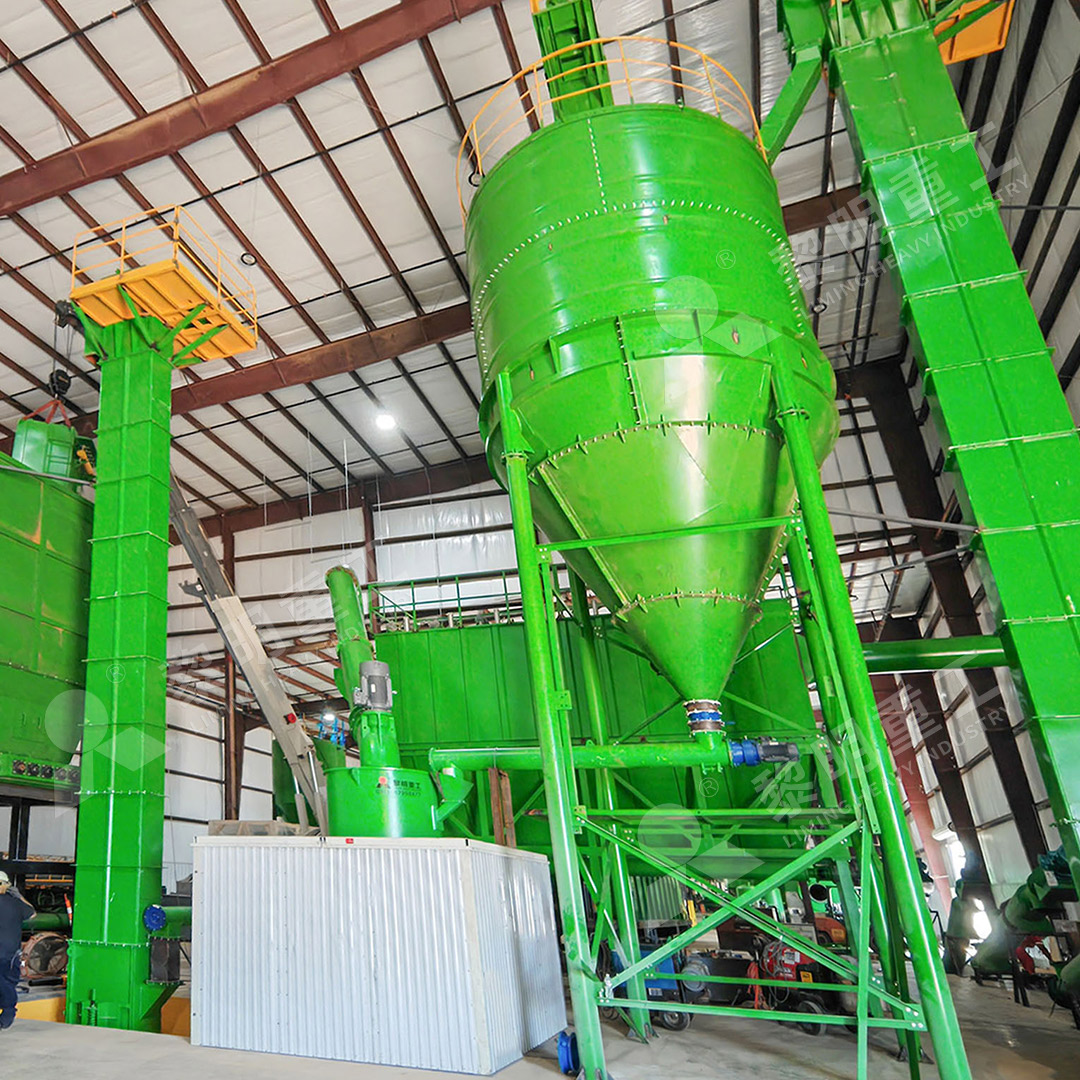
For larger scale production where vertical integration is key, our LUM Ultrafine Vertical Grinding Mill is another excellent option. It features more energy-saving multi-head powder separating technology with a PLC control system. This allows for incredibly accurate control over the cutting point and fast switching between different product fineness demands, all while reducing energy consumption by 30%-50% compared to common grinding mills.
Best Practices and Troubleshooting
Always refer to your mill’s manual first. Make incremental adjustments and allow the system to stabilize before assessing the output. A sudden, large change in classifier speed can disrupt the internal material balance and airflow.
Monitor your power consumption. A sudden spike could indicate you’re pushing the mill too hard for a finer grind, risking damage. Regularly inspect wear parts like rollers and rings; as they wear, your ability to achieve finer grinds will diminish without adjusting pressure or replacement.
Finally, remember that moisture content can agglomerate fine particles, making your product seem coarser than it is. Ensure proper drying if necessary. Mastering fineness is a blend of art and science—understanding your equipment’s capabilities and listening to what it’s telling you through its performance metrics.