
How to Achieve 500 Mesh Powder with an Impact Crusher Grinder Mill
We provide a wide range of mills — including Raymond mill, trapezoidal mill, vertical mill, ultrafine mill, and ball mill, obtained ISO9001 international quality certification, EU CE certification, and Customs Union CU-TR certification. Suitable for processing minerals such as limestone, phosphate, quicklime, kaolin, talc, barite, bentonite, calcium carbonate, dolomite, coal, gypsum, clay, carbon black, slag, cement raw materials, cement clinker, and more.
The discharge range of these mills can be adjusted to meet specific processing needs, typically from 80-400 mesh, 600-3250 mesh, and can achieve the finest particle size of up to 6000 mesh(D50).
If you are looking for a reliable grinding solution to turn stone or minerals into fine powder, please feel free to contact our online customer service.
How to Achieve 500 Mesh Powder with an Impact Crusher Grinder Mill
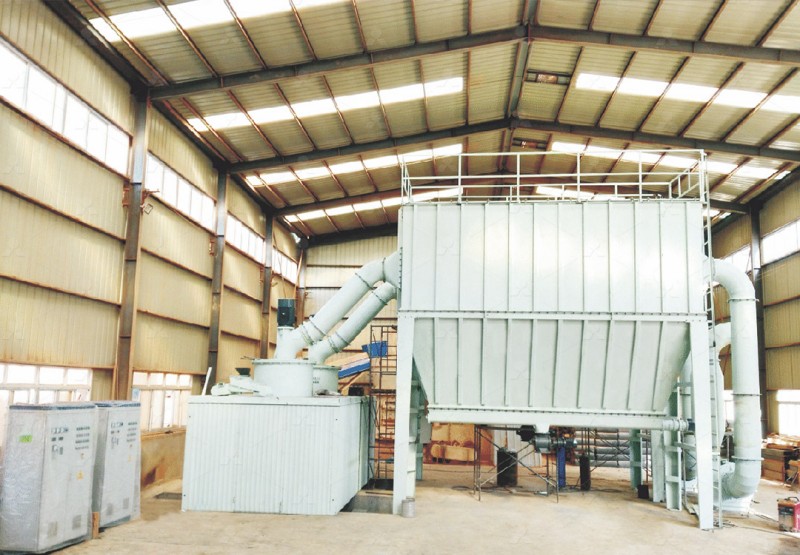
Producing fine powders at 500 mesh (approximately 25 microns) requires precise equipment selection and operational understanding. While many grinding solutions exist, achieving consistent ultra-fine results demands technology that balances efficiency, energy consumption, and particle size control. This article explores the practical steps and machinery considerations for reliably reaching this fineness target.
Understanding the 500 Mesh Target
Five hundred mesh represents a particle size where materials feel exceptionally smooth and have significantly increased surface area. This fineness is critical in industries like cosmetics, pharmaceuticals, and advanced materials where product performance depends on particle consistency. Traditional hammer mills or basic impact crushers often struggle to achieve this level uniformly without generating excessive heat or causing equipment wear.
Key Equipment Considerations
Not all grinding mills are created equal for ultra-fine applications. The ideal machine must incorporate several key features: advanced classification systems to ensure precise particle cut-off, efficient grinding mechanisms that minimize energy use per ton of product, and robust construction to handle the abrasive nature of fine grinding. Furthermore, the system should integrate seamless dust collection to maintain a clean working environment.
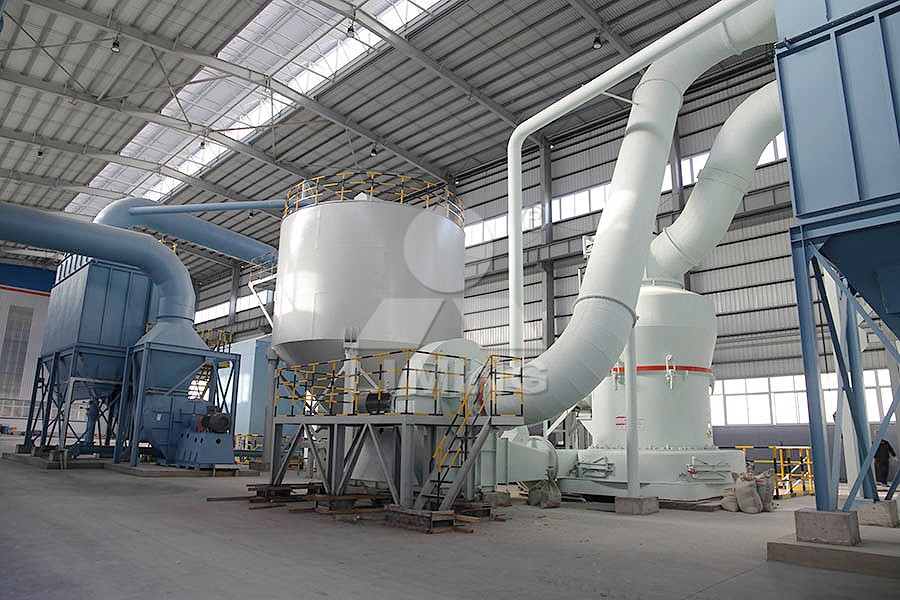
For operations targeting 500 mesh powder, we often recommend our MW Ultrafine Grinding Mill. This machine is specifically engineered for customers who need to make ultra-fine powder. With an input size of 0-20 mm and a capacity range of 0.5-25 tph, it offers remarkable flexibility. Its cage-type powder selector, which adopts German technology, effectively increases the precision of powder separation, allowing the product fineness to be perfectly adjusted to 500 mesh. The absence of rolling bearings and screws in the grinding chamber eliminates worries about bearing damage or machine failure from loose components, ensuring continuous 24/7 operation.
Operational Best Practices
Achieving consistent 500 mesh powder isn’t just about the hardware; it’s also about process optimization. Start with properly pre-crushed feed material. The MW Mill’s maximum input size of 20mm is ideal, as it allows the main grinding mechanism to focus on refinement rather than primary size reduction. Control the feed rate to avoid overloading the grinding chamber, which can lead to coarse particles bypassing the classification stage.
Another excellent option for certain materials is the LUM Ultrafine Vertical Grinding Mill. Its unique roller shell and lining plate grinding curve are designed to generate a stable material layer, enabling a high rate of finished product from a single pass. With an input size of 0-10 mm and capacity of 5-18 tph, it excels in applications requiring superior whiteness and cleanliness. The PLC control system and multi-head powder separating technology provide unparalleled control over the final product’s fineness.
Maximizing Efficiency and Minimizing Downtime
Regular maintenance is crucial for sustaining 500 mesh production. The external lubrication system on the MW Ultrafine Grinding Mill allows for lubrication without shutdown, a significant advantage for continuous operations. Similarly, the reversible structure of the LUM Mill simplifies maintenance tasks like roller inspection and liner replacement, drastically reducing downtime. Both mills are designed with digitalized processing for high precision in core parts, contributing to long-term reliability and consistent output quality.
Environmental and Economic Benefits
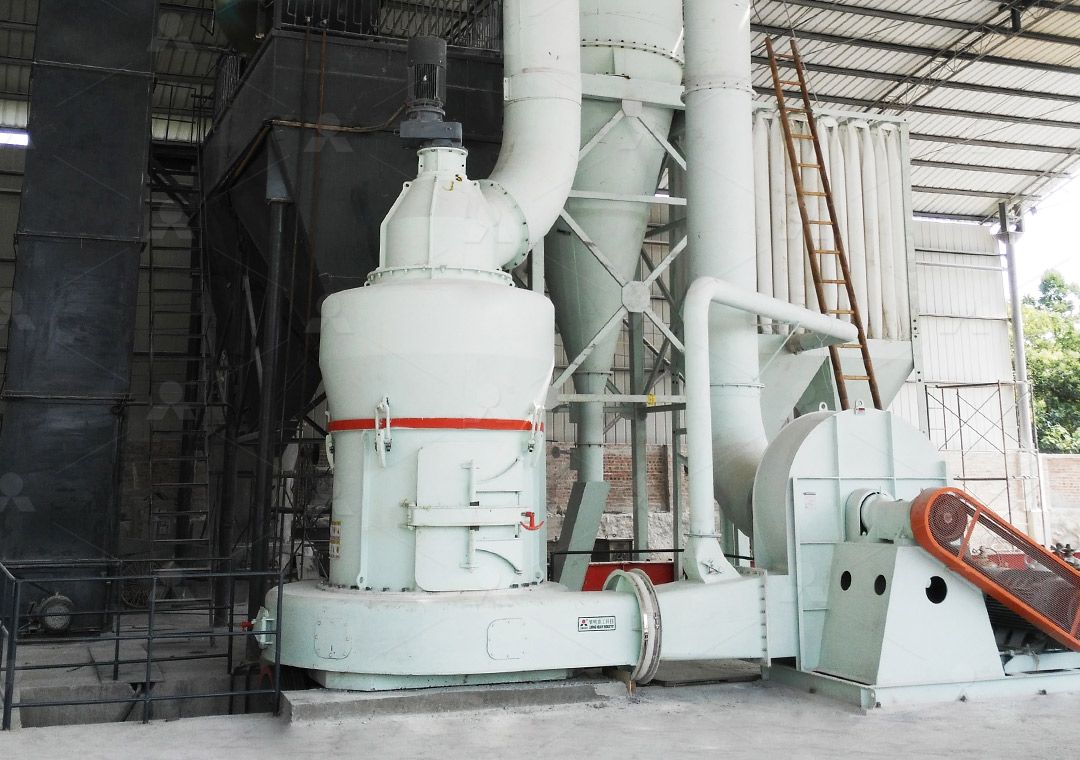
Modern grinding systems must address environmental concerns. The MW Ultrafine Grinding Mill comes equipped with an efficient pulse dust collector and muffler, ensuring the entire production process meets national environmental protection standards. From an economic perspective, achieving 500 mesh efficiently translates directly to lower operational costs. The energy-saving designs of these mills can reduce consumption by 30-50% compared to conventional systems, making the production of high-value fine powders more profitable.
Frequently Asked Questions (FAQ)
Can an impact crusher alone achieve 500 mesh powder?
Typically, no. Standard impact crushers are designed for coarse to medium crushing. Achieving 500 mesh consistently requires specialized fine-grinding mills with integrated high-precision classifiers, like the MW or LUM series mills.
What materials are suitable for grinding to 500 mesh with these mills?
Both the MW and LUM mills are highly versatile, handling materials such as limestone, calcite, dolomite, gypsum, talc, barite, and various minerals used in chemicals, paints, and cosmetics.
How is the 500 mesh fineness controlled and verified?
The fineness is primarily controlled by the mill’s integrated powder separator (e.g., the cage-type selector in the MW Mill). Operators can adjust parameters to achieve the desired cut point. Verification is done through laboratory sieve analysis or laser particle size analyzers.
What are the main advantages of your MW Ultrafine Grinding Mill for this application?
The key advantages are its adjustable fineness between 325-2500 meshes, higher yield with 40% greater capacity than jet mills, lower energy consumption, and its maintenance-friendly design with no internal bearings or screws in the grinding chamber.