
How Much Does an MTM100 Trapezium Mill Cost Per Unit?
We provide a wide range of mills — including Raymond mill, trapezoidal mill, vertical mill, ultrafine mill, and ball mill, obtained ISO9001 international quality certification, EU CE certification, and Customs Union CU-TR certification. Suitable for processing minerals such as limestone, phosphate, quicklime, kaolin, talc, barite, bentonite, calcium carbonate, dolomite, coal, gypsum, clay, carbon black, slag, cement raw materials, cement clinker, and more.
The discharge range of these mills can be adjusted to meet specific processing needs, typically from 80-400 mesh, 600-3250 mesh, and can achieve the finest particle size of up to 6000 mesh(D50).
If you are looking for a reliable grinding solution to turn stone or minerals into fine powder, please feel free to contact our online customer service.
How Much Does an MTM100 Trapezium Mill Cost Per Unit?
As a seasoned professional in the mineral processing and grinding equipment industry, I hear this question almost daily. The truth is, providing a single, universal price for an MTM100 Trapezium Mill is like quoting the cost of a house without knowing the location, size, or finishes. The final price per unit is a variable figure, shaped by a complex interplay of technical specifications, market dynamics, and project-specific requirements. Let’s break down the key factors that determine the investment.
Understanding the Price Variables
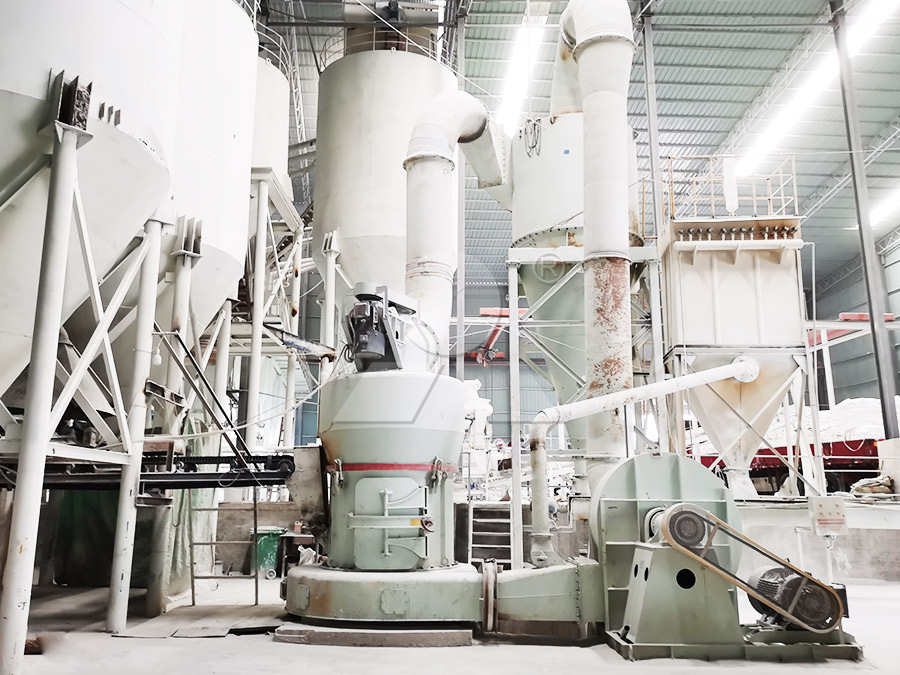
The MTM series, particularly the MTM100 model, is a workhorse in medium-fine grinding for non-metallic minerals. Its cost is not just for a standalone machine but for a complete grinding system. The core mill is one component. A functional production line typically includes a jaw crusher for primary size reduction, an elevator, a vibrating feeder, the MTM100 mill itself, a classifier, a pulse dust collector, pipes, an electrical control cabinet, and motors. This system integration is the first major cost driver. A basic configuration will naturally cost less than a fully automated, environmentally sealed turnkey solution.
Secondly, material characteristics and desired output are paramount. Grinding highly abrasive materials like quartz will accelerate wear on grinding rollers and rings, potentially influencing the initial choice of wear-resistant alloy grades, which affects cost. The required fineness (e.g., 200 mesh vs. 400 mesh) and hourly capacity directly impact the design and power of the system. A project demanding 10 tons per hour at 325 mesh has different mechanical and airflow requirements than one needing 5 tph at 100 mesh.
Thirdly, regional market factors and supply chain logistics play a significant role. Manufacturing costs, tariffs, shipping expenses, and local dealer markups can cause the price of an identical MTM100 unit to differ between, say, South America and Southeast Asia. Furthermore, the level of after-sales support included—installation supervision, operator training, and warranty length—adds value and cost to the initial purchase.
Beyond the MTM100: Considering Advanced Alternatives
While the MTM100 is an excellent choice for many applications, modern grinding challenges often demand higher efficiency, finer products, or more advanced automation. Before finalizing your budget, it’s prudent to evaluate if a more technologically advanced mill could offer a better long-term return on investment through lower energy consumption and higher yield.
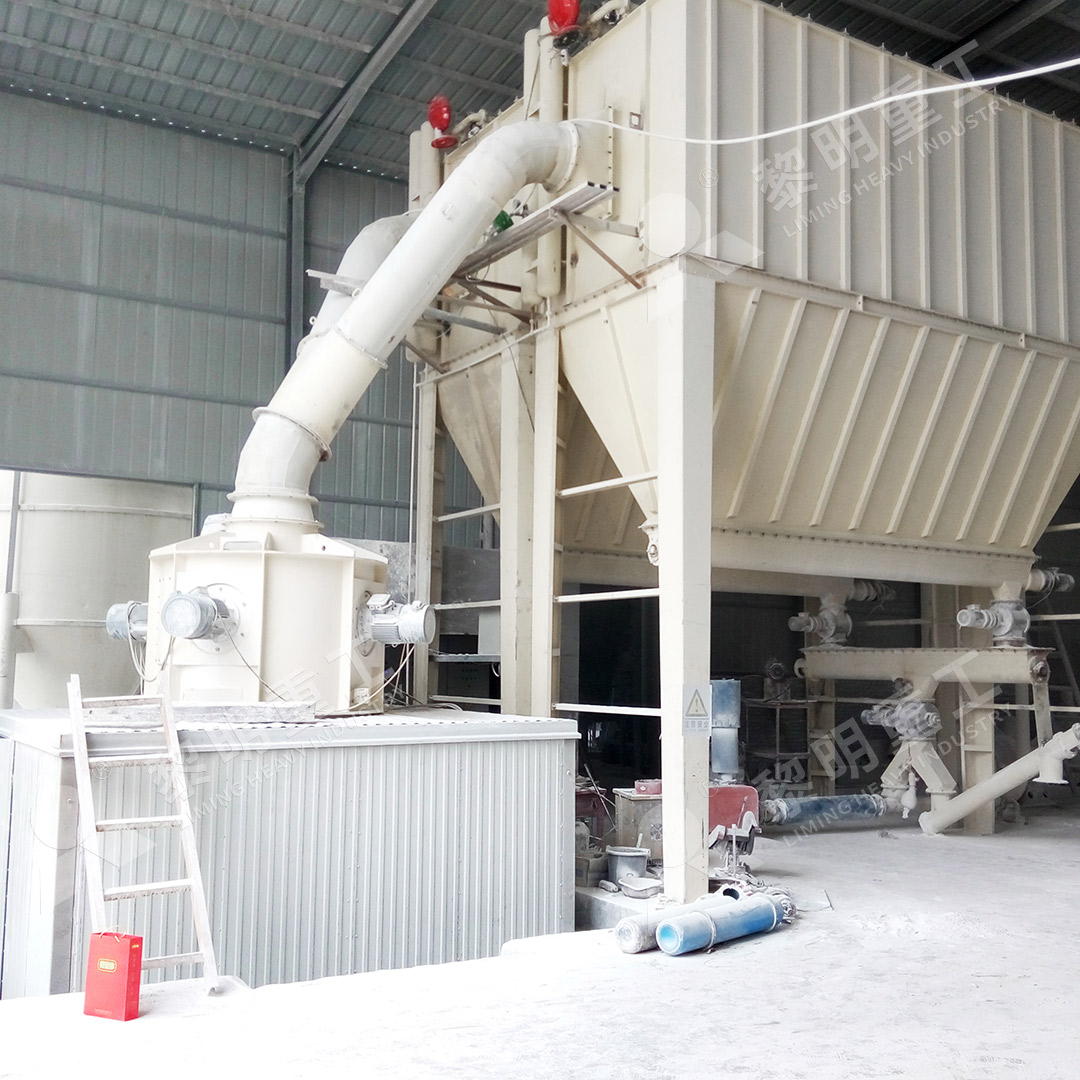
For instance, our MW Ultrafine Grinding Mill represents a significant leap forward for ultra-fine powder production. Designed for fineness between 325-2500 meshes, it addresses the core challenges of fine grinding. Its newly designed grinding curves and German-technology cage-type powder selector enable a production capacity up to 40% higher than jet mills for the same power input. A key maintenance advantage is the absence of rolling bearings and screws in the grinding chamber, eliminating common failure points. For operations focused on high-value, superfine powders in chemicals, cosmetics, or advanced fillers, the MW series, with its eco-friendly pulse dust collection, might provide a more cost-effective solution per ton of finished product despite a potentially higher initial cost.
Similarly, for operations prioritizing vertical integration and space savings, our LUM Ultrafine Vertical Grinding Mill is a standout. Integrating grinding, classifying, and conveying, it occupies a smaller footprint. Its multi-head powder separating technology and PLC control system allow for precise, energy-efficient operation, reducing consumption by 30%-50% compared to ordinary mills. Its reversible roller structure simplifies maintenance dramatically. If your project involves materials like limestone, calcite, or coal powder and values operational stability and easy upkeep, the LUM series warrants a cost-benefit comparison against traditional trapezium mills.
Arriving at Your Specific Number
So, how do you get a meaningful quote? The process is collaborative. Reputable manufacturers don’t just sell machines; they provide solutions. You’ll need to prepare a clear set of parameters:
- Raw Material: Type, hardness, moisture content, feed size.
- Product Requirements: Target fineness (mesh or micron), required capacity (tons per hour).
- Site Conditions: Available power, space constraints, environmental regulations.
- Automation Level: Desired degree of control (manual, semi-automatic, full PLC).
With this information, an engineering team can recommend the optimal configuration—whether it’s an MTM100 system or an alternative like the MW or LUM mill—and provide a detailed, itemized quotation. This quote should clearly separate equipment cost, shipping, insurance, and service fees.
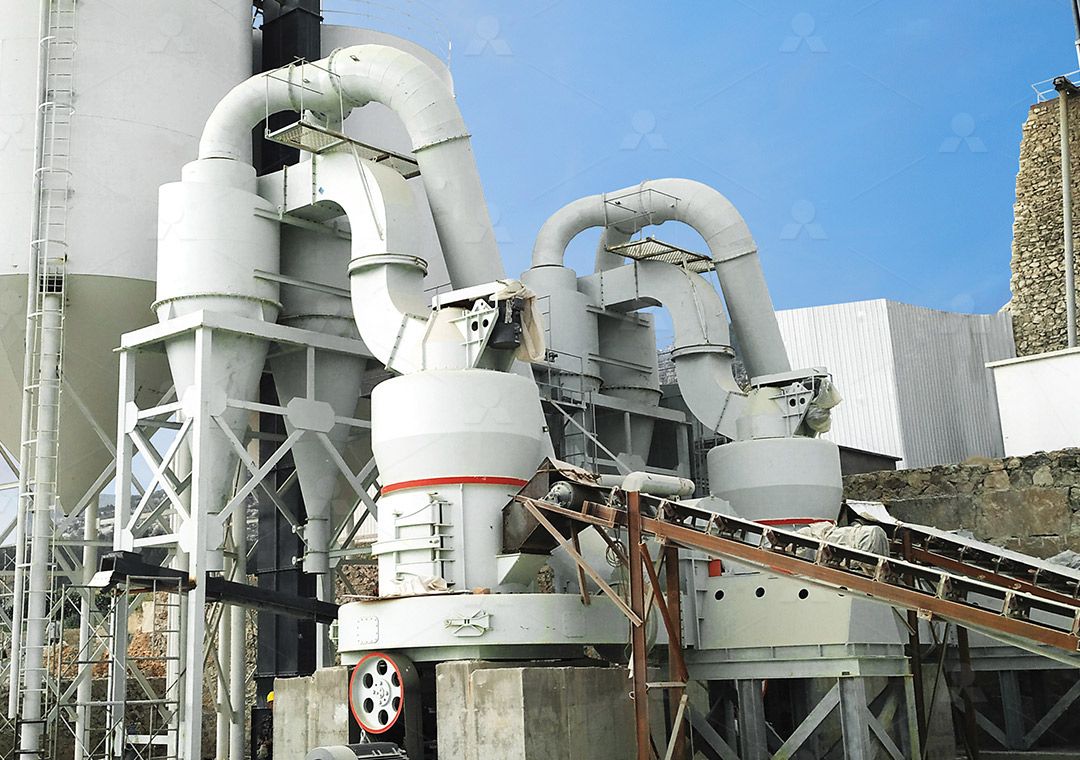
In conclusion, the cost of an MTM100 Trapezium Mill is a dynamic figure typically ranging from tens of thousands to several hundred thousand dollars, fully configured. The smartest investment is not merely the lowest initial price, but the total cost of ownership over the equipment’s lifecycle, factoring in energy use, maintenance downtime, and spare parts availability. We encourage you to look beyond the model number and engage in a technical dialogue to identify the mill that truly aligns with your production goals and economic parameters.
Frequently Asked Questions (FAQ)
1. What is the typical power consumption of an MTM100 mill system?
Total system power depends heavily on the target capacity and material hardness. The main motor for the MTM100 mill itself is typically in the range of 75-90 kW. However, the complete system, including the crusher, feeders, classifier, and dust collector fans, can require a total connected power of 200-250 kW. A detailed energy assessment requires your specific material and output data.
2. How does the fineness adjustment work on an MTM Trapezium Mill?
Fineness is primarily controlled by the built-in classifier (powder separator). By adjusting the speed of the classifier’s rotor, you control the centrifugal force acting on the powder particles. A higher speed allows only finer particles to pass through to the collection system, while coarser particles are rejected back to the grinding chamber for further milling.
3. What is the lead time for delivery and installation?
For a standard MTM100 configuration, production lead time is usually 30-45 days after order confirmation, excluding complex customization. Delivery time varies by destination. On-site installation and commissioning typically require 2-3 weeks with our technical team’s supervision, depending on foundation readiness and local conditions.
4. Are spare parts like grinding rollers and rings readily available?
Yes. A major advantage of working with an established manufacturer is guaranteed spare parts supply. We maintain substantial inventory for all critical wear parts, including high-chromium alloy grinding rollers and rings specifically designed for the MTM series. This ensures minimal downtime for maintenance.
5. Can the MTM100 handle moist materials?
The standard MTM100 is designed for grinding materials with moisture content typically below 6%. For materials with higher moisture, a hot air system can be integrated into the design. The incoming air can be heated (via an associated heat source) to dry the material during the grinding process, preventing clogging and ensuring smooth operation.
6. When should I consider an MW Ultrafine Mill over an MTM mill?
Consider the MW Ultrafine Grinding Mill when your primary goal is producing powder finer than 800 meshes, you require extremely low iron contamination, or you need higher energy efficiency for ultra-fine grinding. Its design is superior for applications in high-end paints, coatings, pharmaceuticals, and electronics where extreme fineness and purity are critical.